

Light exposure at night may raise risk for heart disease

Whole grains may improve several heart risk factors at once

A lumbar belt may help ease low back pain

Children of centenarians may stay healthier and live longer too, study finds

Signs of pneumonia: Sometimes vague and unexpected

The surprising link between ovarian cancer and the fallopian tubes

Using a vibration plate: What it can — and can't — do for your body

People who walk more or walk faster live longer, study finds

For sleep apnea, a dental device may be as effective as CPAP

Rosacea treatments: What works?
Emergency Planning Archive
Articles

AI in health care: Can a chatbot answer your medical questions?
Artificial intelligence (AI) chatbots can answer medical questions, but they don’t replace the medical judgment of doctors. For patients, AI is currently most useful for understanding medical conditions, explaining doctor’s notes and lab reports, and helping to prepare for doctor visits.
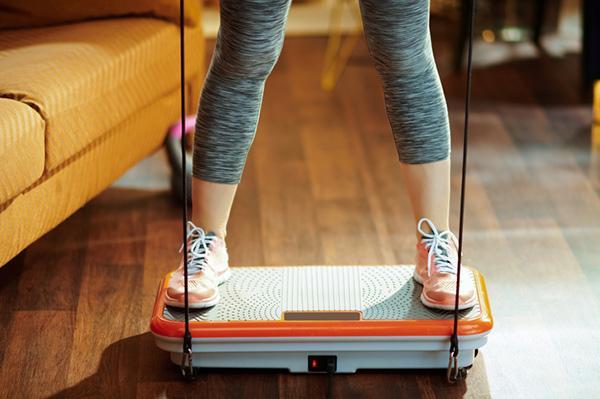
Using a vibration plate: What it can — and can't — do for your body
Using a vibration plate has become a wellness fad, with proponents claiming it can improve bone and muscle strength, balance, circulation, weight loss, and more. But little research backs up those claims. Only balance appears to improve in certain people who use vibration plates.

Melatonin or magnesium: Can either supplement help you sleep?
People who have trouble sleeping may take dietary supplements to ease their insomnia. Melatonin and magnesium, two popular sleep supplements, work in different ways and have varying levels of scientific support.

What are the health risks of aluminum exposure?
From cookware to deodorant, aluminum is everywhere. Most people clear it efficiently from their bodies.
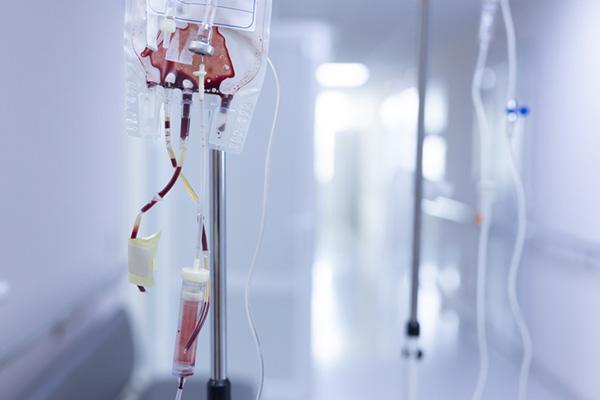
What are the risks of an Rh mismatch in a transfusion?
Blood type compatibility matters during transfusions, and an Rh mismatch can create risks that may not appear immediately.

What does a killed virus mean in a vaccine?
Vaccines can contain different forms of viruses, and the choice may affect how your immune system responds and which vaccine is right for you.
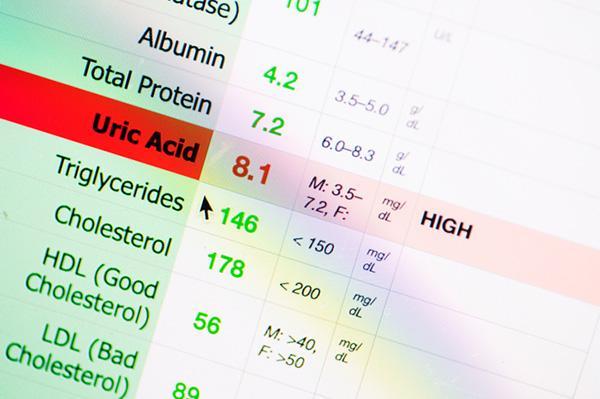
When is treatment needed for high uric acid?
High uric acid doesn’t always mean daily treatment. Several factors, including gout symptoms and kidney health, can help guide the next step.
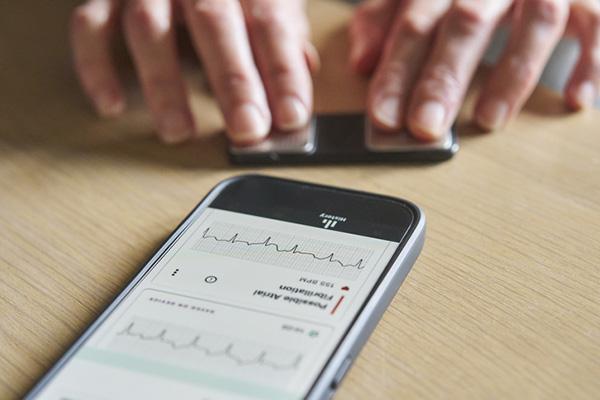
What should you know about atrial fibrillation without heart disease?
A new heart rhythm diagnosis can be unsettling, even when other tests look normal. Find out what to discuss with your doctor next.

Men might be more likely than women to rely on their doctors when making health care decisions
A 2026 analysis indicated that among adults ages 50 and older, men were more inclined than women to rely on medical professionals when making health care decisions and less likely to put quality of life ahead of simply living longer.
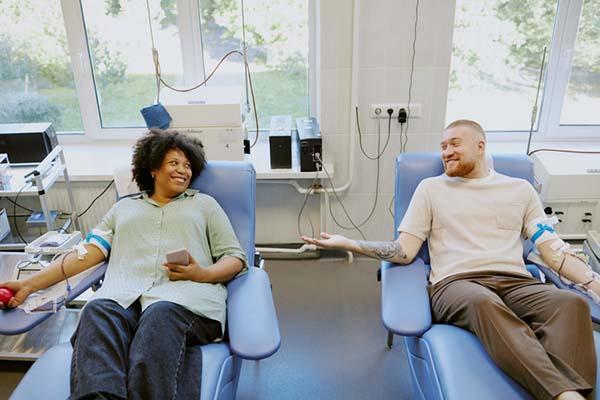
Does a colonoscopy affect blood donation?
A recent colonoscopy may raise questions before you donate blood, but the reason behind this screening question may surprise you.
Light exposure at night may raise risk for heart disease
Whole grains may improve several heart risk factors at once
A lumbar belt may help ease low back pain
Children of centenarians may stay healthier and live longer too, study finds
Signs of pneumonia: Sometimes vague and unexpected
The surprising link between ovarian cancer and the fallopian tubes
Using a vibration plate: What it can — and can't — do for your body
People who walk more or walk faster live longer, study finds
For sleep apnea, a dental device may be as effective as CPAP
Rosacea treatments: What works?
Free Healthbeat Signup
Get the latest in health news delivered to your inbox!
Sign Up
