What is hyperparathyroidism and how does it affect the body?
Ask the doctor

Q. What is hyperparathyroidism?
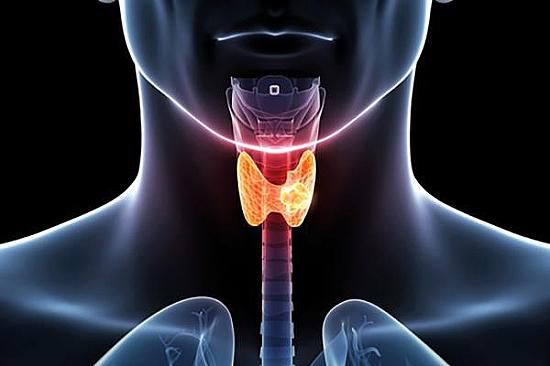
A. Hyperparathyroidism occurs when the parathyroid glands make more parathyroid hormone than they should. There are four of these small (normally about the size of a half of a pea) glands. They are in the lower part of the neck behind the thyroid gland.
Parathyroid hormone acts on bone to release calcium into the bloodstream. The amount of hormone made by the glands changes to keep the blood calcium level within the normal range. The normal range is 9.0 to 10.5 mg/dL in adults, and 8.8 to 10.8 mg/dL in children. But the low and high values of normal used by a specific laboratory may by slightly different.
If the blood calcium level starts to drop, the parathyroid gland makes more of the hormone. If the calcium level rises, the glands make less hormone. If the calcium level is higher than normal, the parathyroid glands pretty much shut down.
In hyperparathyroidism, one or more of the four parathyroid glands doesn't pay attention to the blood calcium level and continues to make parathyroid hormone. The excess hormone is released into the bloodstream. The result is an abnormally high blood calcium level, and also a higher than normal parathyroid hormone level. (When the blood calcium level is higher than normal, the parathyroid hormone level should be very low.)
Many people with hyperparathyroidism have no symptoms. Others have fatigue, muscle aches, and/or mild weakness. In some cases, when calcium blood levels are very high, symptoms include:
- frequent urination
- excessive thirst
- constipation
- difficulty concentrating.
Mild hyperparathyroidism might not need immediate treatment, but it should not be ignored. You would need periodic blood tests to measure your blood calcium level. You will also need bone density tests to make sure your bones are not getting thinner, because parathyroid hormone leaches calcium out of bones.
If you have symptoms, your doctor will order tests to determine if just one parathyroid gland is overactive or if all of them are overactive. Your treatment plan will depend upon the test results.
Image: © MoMo Productions/Getty Images
About the Author

Howard E. LeWine, MD, Chief Medical Editor, Harvard Health Publishing; Editorial Advisory Board Member, Harvard Health Publishing
Disclaimer:
As a service to our readers, Harvard Health Publishing provides access to our library of archived content. Please note the date of last review or update on all articles.
No content on this site, regardless of date, should ever be used as a substitute for direct medical advice from your doctor or other qualified clinician.