

Naturally gluten-free foods

Harvard study: Healthier fats linked to longer life after prostate cancer diagnosis

Shingrix shingles vaccine linked with lower heart disease risks

Estrogen-only hormone therapy tied to lower dementia risk

Should you have a hysterectomy?

Stair climbing may significantly lower cardiovascular risks

Why do I sweat so much?

Walking pneumonia: The "mild" illness that can still pack a punch

What causes knee pain: How doctors make a diagnosis
Where you carry excess weight matters in predicting heart disease risk
Diseases & Conditions Archive
Articles
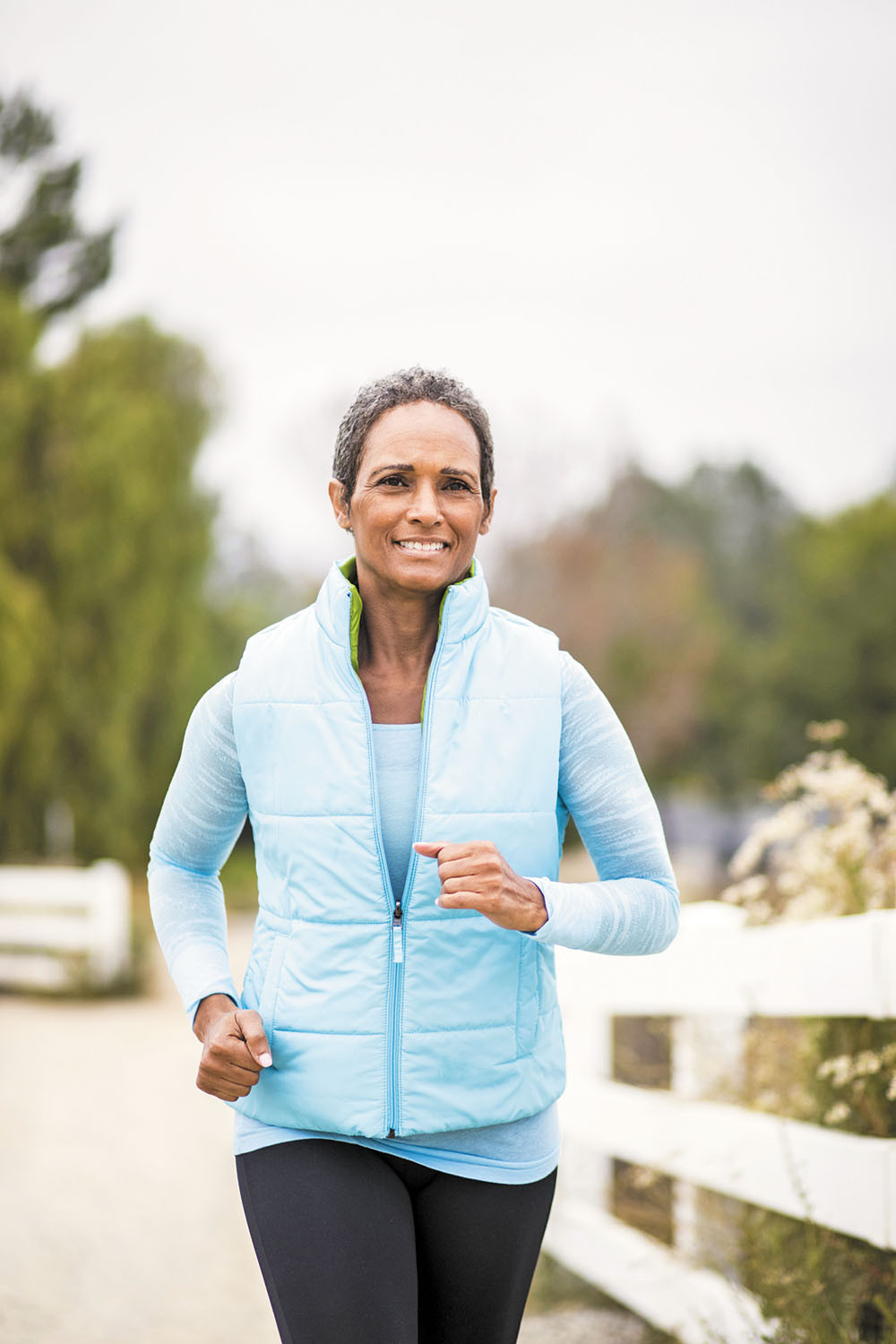
Can I do anything to prevent osteoporosis?
Ask the doctors
Q. I know that osteoporosis is linked to hereditary factors that I can't change. But are there things I can do to reduce my risk?
A. It's true that many risk factors for osteoporosis, such as your sex, age, and genes, are not things you can change. But there are things you can do to improve your bone health. This includes adopting a healthy diet that is rich in calcium and getting enough vitamin D, which can help maintain and improve bone health. Regular exercise can also help strengthen your bones or prevent bone loss. In particular, activities that put stress on your bones, such as jumping, running, and weight-bearing exercises, can stimulate bone cells to produce proteins that bolster bone strength. In children, these activities can actually increase bone density. While adults don't gain the same degree of benefit that kids do, exercise can still have moderate effects on bone, helping to maintain strength that might otherwise be lost. To further protect bone health, cut down on unhealthy habits, such as smoking or drinking excess amounts of alcohol. If you have risk factors for osteoporosis, you might also want to talk to your doctor about whether any of your medications might be harming your bone health.

Eosinophilic esophagitis: A new food-related allergic condition on the rise?
Eosinophilic esophagitis is an allergic inflammation of the esophagus that most typically develops as an allergic response to certain foods. The exact cause is unclear, but if left untreated it can lead to permanent scarring or narrowing of the esophagus.

Heart attacks in women
Although hard-to-read heart attacks happen to both men and women, they are more common in women. One reason for this is that men's symptoms initially set the standard for recognizing heart trouble. Now a growing body of research shows that women can experience heart attacks differently than men.
Understanding sex differences in heart disease is important. Heart disease is the leading cause of death for women. Although it mostly affects older women, it isn't rare in younger women. One in 10 of all women who die from heart disease or a stroke are under age 65, and this age group accounts for one-third of heart- or stroke-related hospitalizations. Even so, younger women and their doctors don't necessarily suspect a heart attack even when all the signs are there.
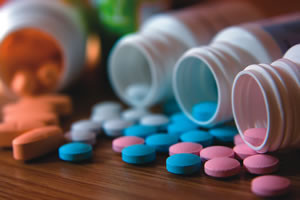
Bad mix: Blood thinners and NSAIDs
Image: Anita_Bonita/Getty Images |
Take the lowest dose of NSAIDs and stop using them as soon as possible.
Blood thinners are usually given to people at risk for developing blood clots from conditions, such as abnormal heart rhythms. Use of these lifesaving medications requires caution with other drugs, especially painkillers called nonsteroidal anti-inflammatory drugs (NSAIDs), such as ibuprofen (Advil) or naproxen (Aleve). But plenty of people take the risk to relieve aches and pains. "Many of the patients who need blood thinners are older and therefore at risk for arthritis, so it's not infrequent for a patient to be on both a blood thinner and an NSAID," says cardiologist Dr. Deepak L. Bhatt, a Harvard Medical School professor.

One hearing aid or two?
If you’re like most people with hearing loss, you’ll probably find that it takes time to accept the idea that you need a hearing aid, and you may be unhappy when your audiologist recommends that you get not one, but two. Chances are that your first question will be, “Is it normal to get two hearing aids?” And then, “Do I really need two?”
If you have hearing loss in only one ear and normal or nearly normal hearing in the other, then one hearing aid is all you need. But most people have hearing loss in both ears, especially if the loss is age-related. (You may have one ear that’s better than the other, but chances are both will be in the same ballpark.) In that case, research and experience suggest that you’ll ultimately be more satisfied with two hearing aids.

Who needs aspirin?
Age, family history, and other risk factors determine if daily aspirin can help prevent a heart attack or stroke.
For many of us, aspirin was the go-to medicine of our youth. Everything from headaches, colds, and general aches and pains were treated with two aspirin and a glass of water.
For decades, aspirin was widely believed to be a safe way to protect healthy adults from heart attacks and strokes. But over the past couple years, new research has questioned this premise and many doctors have already stopped prescribing aspirin for adults at low risk of cardiovascular disease.

Now hear this: Don’t ignore sudden hearing loss
You have a brief window to seek treatment.
Everyone's hearing naturally declines with age, and people often have one ear that hears better than the other. But if hearing loss appears suddenly in one ear for no apparent reason, you may have experienced sudden sensorineural hearing loss, or SHL, a kind of nerve deafness.
There are about 66,000 new cases of SHL per year in the United States, according to research in the August 2019 issue of Otolaryngology — Head and Neck Surgery. But these numbers are hard to come by, since the condition may be underdiagnosed.

Flu shot may lower risk of early death in people with high blood pressure
In the journals
Need another reason to get your annual flu shot? It could protect you from a fatal heart attack or stroke if you suffer from high blood pressure, according to research presented at a 2019 joint conference of the European Society of Cardiology Congress and the World Congress of Cardiology.
Previous research has found that the inflammation from a flu infection can trigger a heart attack or stroke, and people with high blood pressure are especially at high risk.

Does the flu vaccine work as well in elderly people?
Ask the doctors
Q. My mother is in her late 80s. She received the flu vaccine this year, but I heard that it won't be as effective because of her age. Is this true?
A. The flu vaccine can be less effective in elderly adults. That's because the flu vaccine works by priming the body's own immune system to mount a response to the virus if it's encountered. Older adults may have weaker immune systems, and therefore a weaker immune response to the vaccine.

Harvard Health Ad Watch: A fibromyalgia treatment ("But you look so good!")
Naturally gluten-free foods
Harvard study: Healthier fats linked to longer life after prostate cancer diagnosis
Shingrix shingles vaccine linked with lower heart disease risks
Estrogen-only hormone therapy tied to lower dementia risk
Should you have a hysterectomy?
Stair climbing may significantly lower cardiovascular risks
Why do I sweat so much?
Walking pneumonia: The "mild" illness that can still pack a punch
What causes knee pain: How doctors make a diagnosis
Where you carry excess weight matters in predicting heart disease risk
Free Healthbeat Signup
Get the latest in health news delivered to your inbox!
Sign Up
