

Whole grains may improve several heart risk factors at once

Light exposure at night may raise risk for heart disease

Children of centenarians may stay healthier and live longer too, study finds

A lumbar belt may help ease low back pain

Signs of pneumonia: Sometimes vague and unexpected

Using a vibration plate: What it can — and can't — do for your body

The surprising link between ovarian cancer and the fallopian tubes

People who walk more or walk faster live longer, study finds

Rosacea treatments: What works?

For sleep apnea, a dental device may be as effective as CPAP
Diet and nutrition Archive
Articles

Harvard study: Ditching sugary drinks tied to reduced diabetes complications
A 2023 study shows that avoiding sugary drinks is linked to dramatically lower risks for cardiovascular disease and early death in people who have diabetes. Drinking artificially sweetened beverages in lieu of sugary drinks was also associated with lower risks.
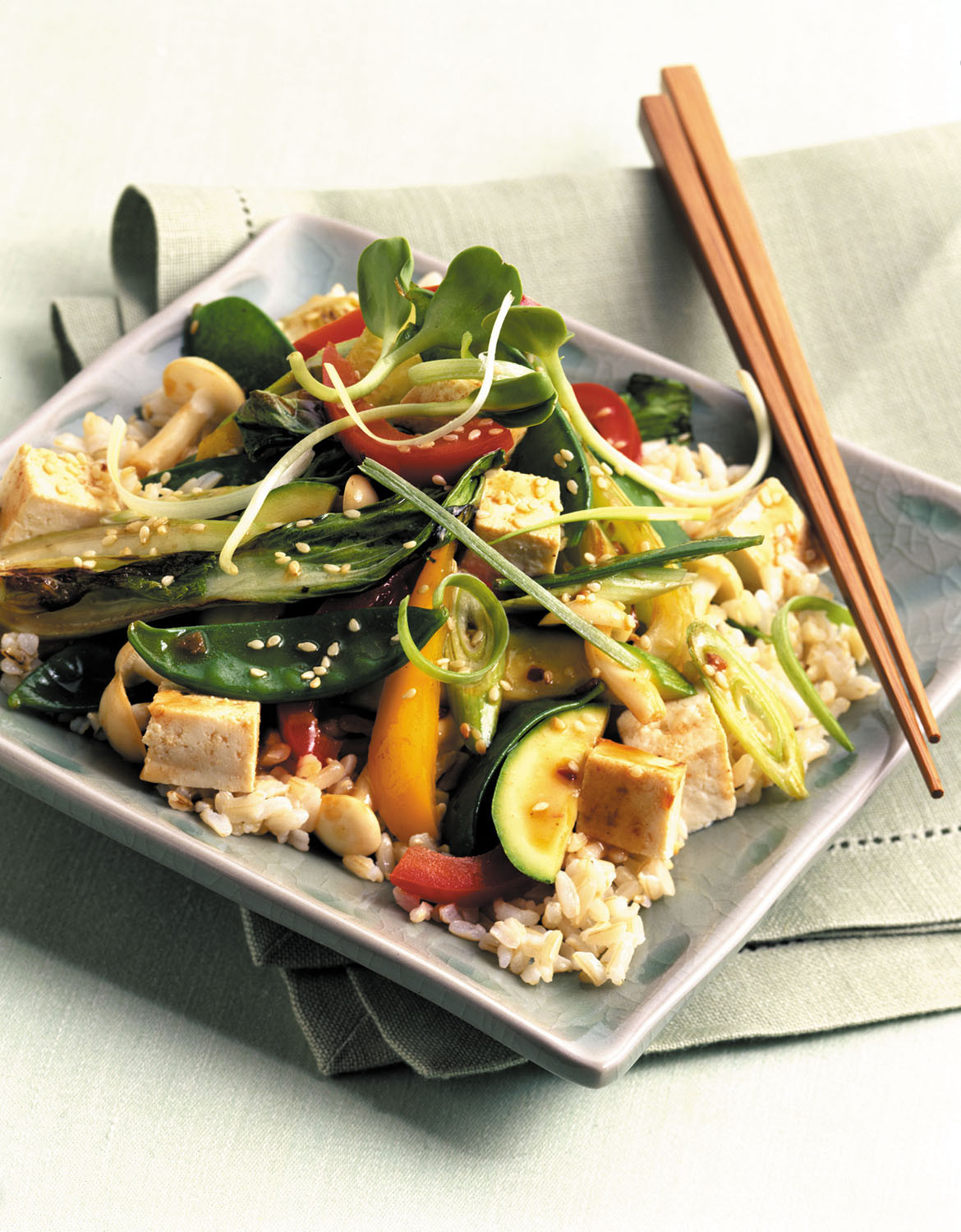
Traditional Chinese diets: A template for healthy eating habits
Many foods traditionally eaten in China, such as vegetables, tofu, and seafood, are all linked to a lower risk of cardiovascular disease. So are the unsaturated oils (such as canola, soy, or peanut oil) frequently used to prepare Chinese dishes. But some Chinese cooking staples like soy sauce and other savory sauces (black bean, hoisin, and oyster) are quite high in sodium, which can raise blood pressure. At restaurants, people should request no monosodium glutamate (MSG), a flavor enhancer that also contains sodium. For home cooking, people can buy soy sauce with 37% less sodium, which is marketed as "less sodium soy sauce.

How much protein do you need every day?
Wondering how many grams of protein to have per day? The answer may surprise you. Discover the recommended daily protein intake and how to calculate it here.

Heart-healthy eating patterns inspired by Latin America
People can adapt the basic guidelines of the Mediterranean diet to any cuisine they like by choosing mostly plant-based foods and healthy fats. Latin America includes Mexico and more than 30 other countries in the Caribbean and Central and South America. Healthy choices include beans, corn tortillas, plantains, avocados and tropical fruits, as well as small amounts of fish, seafood, and queso blanco (a mild, white cheese).

The story on fish and heart health
A diet that includes fatty fish, such as salmon, mackerel, sardines, tuna, pollock, and cod, has long been touted to support heart health. Research has found that the health benefit from fatty fish appears to be its high levels of omega-3 fatty acids, which can reduce triglyceride (a type of fat in the blood) and increase "good" HDL cholesterol. Omega-3s also slow plaque buildup in arteries that can cause blood clots and may trigger heart attacks and strokes.

Healthy habits might ward off long COVID
A 2023 study suggests that women who practice many aspects of a healthy lifestyle are about half as likely as women who don't to experience persistent symptoms after a COVID-19 infection.

Sowing the seeds of better health
About one in three Americans engages in gardening, and the activity became even more popular during the COVID pandemic. Research suggests gardening provides many physical and mental health benefits. It can boost movement, improve diet, fight illness, smooth mood, sharpen brain function, and strengthen social bonds. Gardeners should wear a hat and apply sunscreen to protect against sun exposure. They should also wear gloves to create a barrier against skin allergens on plants and bacteria or fungi in potting soil mixes.

Managing stress and eating leafy vegetables may protect the brain
Two studies found that managing stress and eating a plant-based diet with at least seven servings of leafy green vegetables per week can help improve cognitive function and protect against Alzheimer's disease, respectively.

9 at-home treatments for acid reflux
GERD, or acid reflux, can lead to heartburn, a bad taste in your mouth, and other unpleasant symptoms. Here are some treatments you can try at home.

By the way, doctor: What's the right amount of vitamin C for me?
I'm 79 years old and have been taking 3,000 mg of vitamin C a day for years. I'm now uneasy about taking this amount and plan to cut back to 1,000 mg daily. Is this the right dose? Will my body be startled by the abrupt change?
Whole grains may improve several heart risk factors at once
Light exposure at night may raise risk for heart disease
Children of centenarians may stay healthier and live longer too, study finds
A lumbar belt may help ease low back pain
Signs of pneumonia: Sometimes vague and unexpected
Using a vibration plate: What it can — and can't — do for your body
The surprising link between ovarian cancer and the fallopian tubes
People who walk more or walk faster live longer, study finds
Rosacea treatments: What works?
For sleep apnea, a dental device may be as effective as CPAP
Free Healthbeat Signup
Get the latest in health news delivered to your inbox!
Sign Up
