

Whole grains may improve several heart risk factors at once

Light exposure at night may raise risk for heart disease

Children of centenarians may stay healthier and live longer too, study finds

A lumbar belt may help ease low back pain

Signs of pneumonia: Sometimes vague and unexpected

Using a vibration plate: What it can — and can't — do for your body

The surprising link between ovarian cancer and the fallopian tubes

People who walk more or walk faster live longer, study finds

Rosacea treatments: What works?

For sleep apnea, a dental device may be as effective as CPAP
Diet and nutrition Archive
Articles
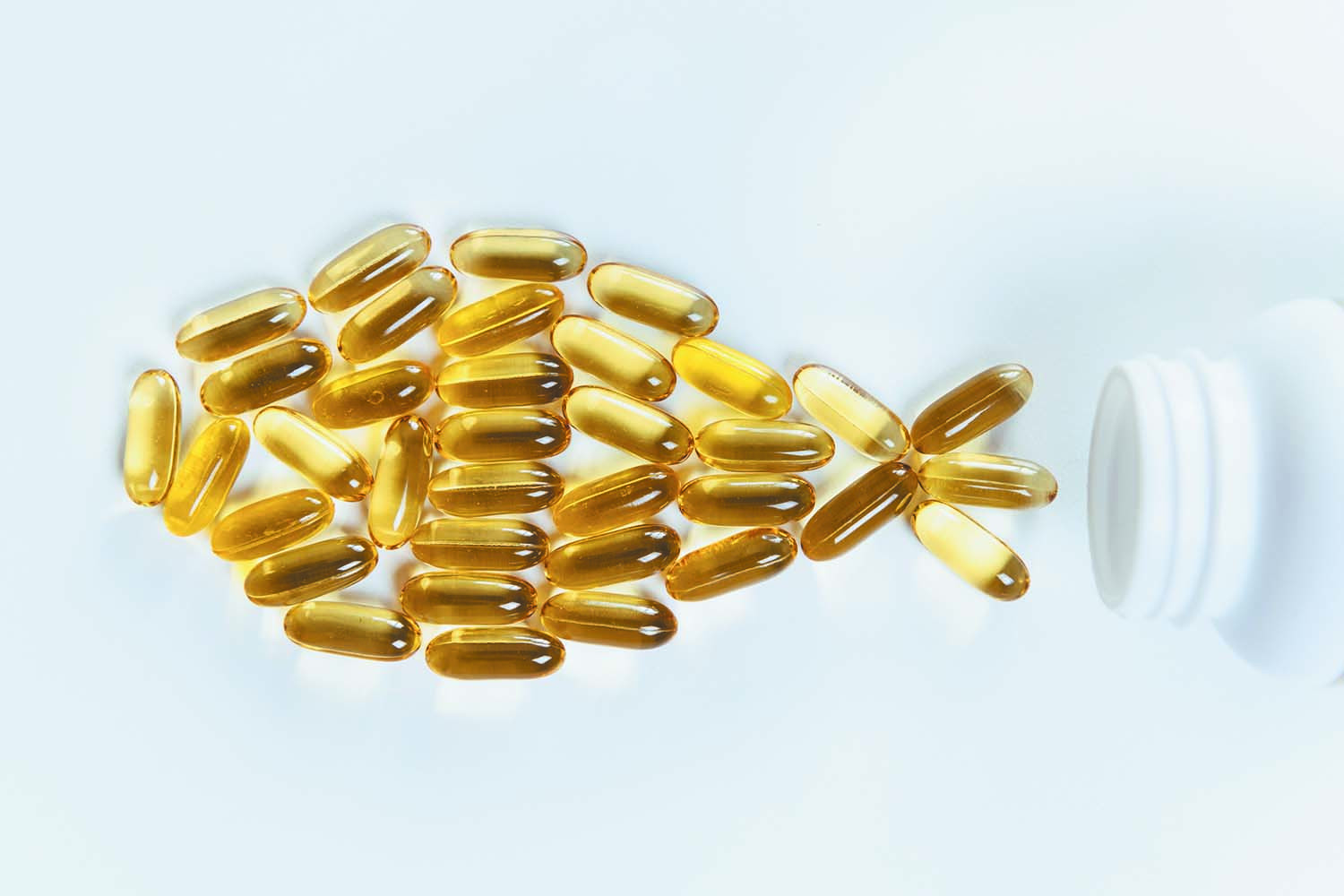
The questions about fish oil supplements
Some research says taking a daily fish oil supplement can reduce the risk of heart attacks and strokes, while other studies say the evidence remains thin. While fish oil is the best source of omega-3 fatty acids (essential nutrients that the body cannot make on its own), taking an over-the-counter fish oil supplement probably provides no extra heart benefit beyond a well-balanced diet that includes plenty of omega-3-rich fatty fish, nuts, and seeds.

Should you try fasting?
Intermittent fasting means that people avoid food for a designated amount of time each day. One of the most popular approaches is called 16/8. People eat during an eight-hour period—for example from noon to 8 p.m.— followed by 16 hours of fasting, in this case from 8 p.m. until noon the next day, when the pattern repeats. While science does not yet know the long-term benefits of intermittent fasting, initial short-term research has suggested the practice may help lower cholesterol, blood pressure, and weight, among other health benefits.

The power of protein
During his lifetime, a man loses about 30% of his muscle mass. Older men can maintain and even regain muscle by combining regular weight training and a proper diet, including adequate amounts of protein. Research suggests that to help counter lost muscle mass, healthy older adults need 1.2 grams of protein for every kilogram of body weight per day. This is calculated by dividing a person's weight in pounds by 2.2 and then multiplying by 1.2.


How super are "superfoods"?
Certain fruits, vegetables, nuts, and seeds have been labeled "superfoods" because, compared with other foods, they have higher amounts of certain vitamins and minerals and powerful antioxidants. They often are associated with combating high blood pressure, diabetes, heart disease, and even some cancers. But instead of focusing on eating more of individual foods, experts suggest building "superplates" that include a variety of superfoods.

The thinking on flavonoids
Flavonoids, a class of micronutrients found in most plant foods, have been shown to possibly reduce the risk of dementia by protecting brain cells, improving blood flow, and reducing inflammation. Following a plant-based diet and aiming for at least five to nine servings of fruits and vegetables per day can help people get sufficient amounts of flavonoids.

Calcium scan concerns
Coronary artery calcium scans tend to be quite accurate. Unlike some other imaging tests, the results are unlikely to be either falsely negative or falsely positive because the results are literally black and white (the calcium shows up as white on the scan).

Tofu may help your heart
Tofu may be good for the heart. A study published in March 2020 in the journal Circulation found that people who ate at least one weekly serving of tofu or another food containing isoflavones (a compound found in soybeans and other legumes) had an 18% lower risk of developing heart and blood vessel disease than people who ate these foods less than once a month. These foods appeared particularly beneficial to premenopausal women and women who had gone through menopause but weren't using hormone replacement therapy. Experts recommend substituting these foods for less healthy protein options such as red or processed meats.

A heart-healthy diet doesn't need to be low in fat
Over the past decade, nutrition experts have shifted away from recommending a low-fat diet to focusing more on an overall healthy dietary pattern. This eating style, which includes lots of plant-based foods, is naturally low in saturated fats. Found mainly in meat and dairy products, saturated fat can boost levels of harmful LDL cholesterol, a key contributor to heart disease. Cutting back on all types of fat does not necessarily translate into a diet that lowers cardiovascular risk. The plant-centric Mediterranean eating pattern, which is rich in healthy unsaturated fats found in nuts, seeds, and olives, has the best evidence for lowering heart disease risk.

Tips to cheat safely on your healthy diet
Eating an unhealthy meal every now and then may not cause problems for generally healthy people. This may mean eating a healthy diet 90% of the time and splurging 10% of the time. It's called the 90-10 rule. But the rule shouldn't be abused. Cheating regularly on a healthy diet can lead to weight gain and other consequences of poor eating habits. Instead, one should follow a healthy diet on most days, and indulge only occasionally.
Whole grains may improve several heart risk factors at once
Light exposure at night may raise risk for heart disease
Children of centenarians may stay healthier and live longer too, study finds
A lumbar belt may help ease low back pain
Signs of pneumonia: Sometimes vague and unexpected
Using a vibration plate: What it can — and can't — do for your body
The surprising link between ovarian cancer and the fallopian tubes
People who walk more or walk faster live longer, study finds
Rosacea treatments: What works?
For sleep apnea, a dental device may be as effective as CPAP
Free Healthbeat Signup
Get the latest in health news delivered to your inbox!
Sign Up
