

Naturally gluten-free foods

Harvard study: Healthier fats linked to longer life after prostate cancer diagnosis

Shingrix shingles vaccine linked with lower heart disease risks

Estrogen-only hormone therapy tied to lower dementia risk

Should you have a hysterectomy?

Stair climbing may significantly lower cardiovascular risks

Why do I sweat so much?

Walking pneumonia: The "mild" illness that can still pack a punch

What causes knee pain: How doctors make a diagnosis

Where you carry excess weight matters in predicting heart disease risk
Dementia Archive
Articles

Could my symptoms be due to Parkinson's disease or another neurological condition?
Tingling, leg weakness, and voice changes can be alarming. Learn how doctors sort out these symptoms and when Parkinson's disease may be suspected.

Helping with grandchildren may stave off cognitive decline
A 2026 study suggested that helping care for grandchildren can offer cognitive benefits, helping older adults maintain stronger memory and language skills. Grandmothers who helped with childcare-related tasks also showed less overall cognitive decline over time than non-caregiving peers.
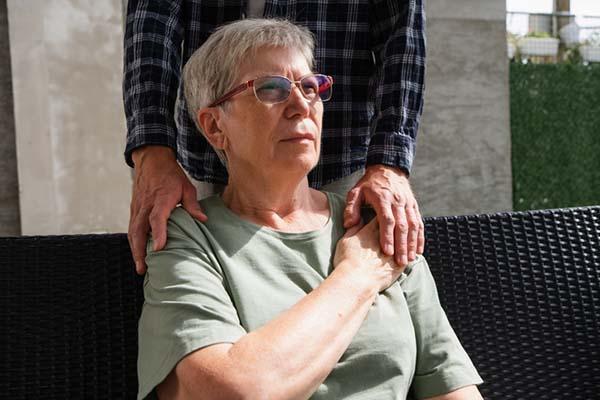
LATE dementia: Why it's often missed — and why it matters
LATE dementia (which stands for limbic-predominant age-related TDP-43 encephalopathy) was formally recognized in 2019. LATE and Alzheimer's disease both involve progressive memory loss, but LATE usually advances more slowly than Alzheimer's.

Is occasional forgetfulness a normal part of aging?
Name slips and misplaced keys can feel unsettling in your 70s. Learn which memory changes are typical and when they might signal something more.

Could an unexplained blackout have been a seizure?
A blackout can be frightening and confusing. Learn what clues doctors look for and which tests help uncover the cause.

Harvard study: A couple of daily cups of coffee or tea linked to lower dementia risk
A 2026 study found that drinking two to three daily cups of caffeinated coffee, or one to two daily cups of caffeinated tea, was linked to better cognitive health and lower risks of dementia.
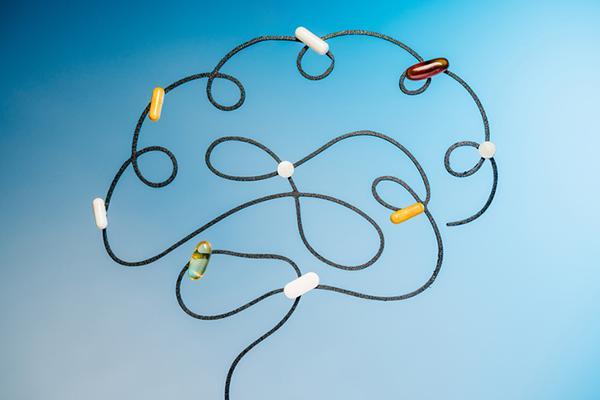
Don't buy into brain health supplements
Brain health supplements purport to enhance memory and improve attention and focus. But no robust scientific evidence backs up those claims. The FDA doesn't oversee supplement testing, so manufacturers do not need to prove products are effective.
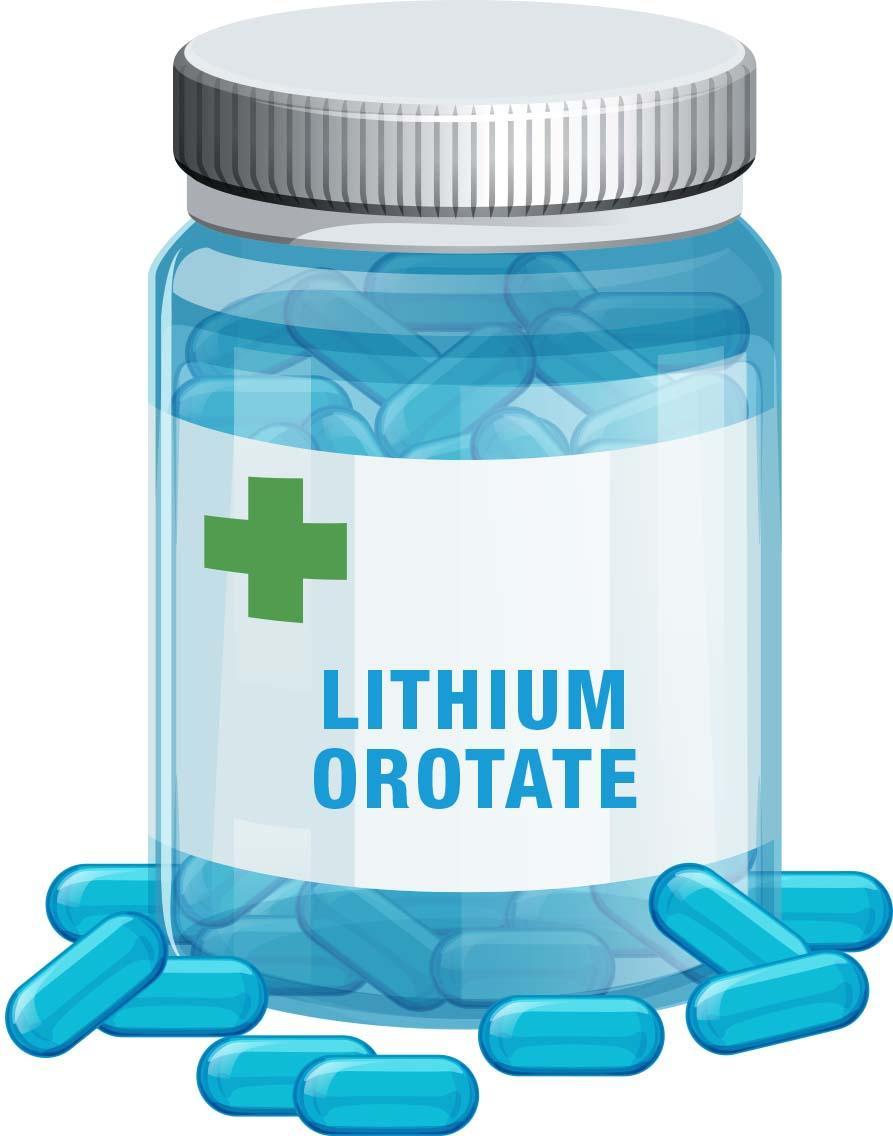
Will lithium supplements be used to fight Alzheimer's one day?
A 2025 study suggests that very low levels of lithium in the brain might be linked to Alzheimer's disease. In mice, certain lithium supplements seemed to protect memory and the brain. But scientists don't yet know if lithium pills are safe or helpful for people.

Cervical dystonia: A challenging neck condition
Cervical dystonia is a movement disorder that causes involuntary, sustained muscle contractions that make the head wobble or rest in abnormal positions. Symptoms can be disruptive, making it hard for people with the condition to drive, dress, or reach for objects.

How to spot Parkinson's disease symptoms
Parkinson’s disease symptoms tend to develop gradually and can be mistaken for normal aging. Early movement-related signs include tremor in one hand, slower movements, mild balance and gait changes, and muscle stiffness. Other clues include loss of smell, sleep changes, and constipation.
Naturally gluten-free foods
Harvard study: Healthier fats linked to longer life after prostate cancer diagnosis
Shingrix shingles vaccine linked with lower heart disease risks
Estrogen-only hormone therapy tied to lower dementia risk
Should you have a hysterectomy?
Stair climbing may significantly lower cardiovascular risks
Why do I sweat so much?
Walking pneumonia: The "mild" illness that can still pack a punch
What causes knee pain: How doctors make a diagnosis
Where you carry excess weight matters in predicting heart disease risk
Free Healthbeat Signup
Get the latest in health news delivered to your inbox!
Sign Up
