

Naturally gluten-free foods

Harvard study: Healthier fats linked to longer life after prostate cancer diagnosis

Shingrix shingles vaccine linked with lower heart disease risks

Estrogen-only hormone therapy tied to lower dementia risk
Should you have a hysterectomy?

Stair climbing may significantly lower cardiovascular risks

Why do I sweat so much?

Walking pneumonia: The "mild" illness that can still pack a punch

What causes knee pain: How doctors make a diagnosis

Where you carry excess weight matters in predicting heart disease risk
Dementia Archive
Articles
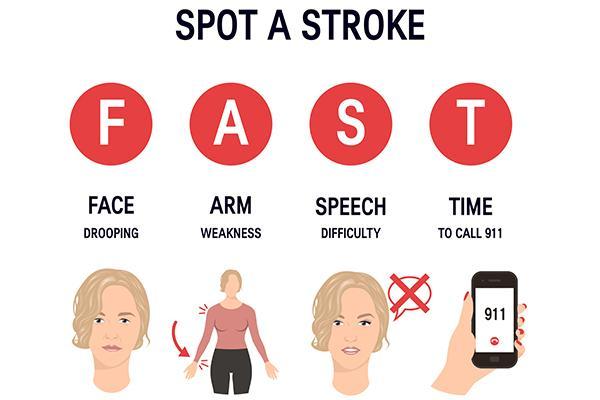
When a stroke strikes: What to expect at the emergency room
Recent advances in caring for people with strokes include expanded access to medications and clot removal procedures. In certain cases, these therapies may be done up to 24 hours after stroke symptoms first appear.

Higher fitness levels linked to lower risk of depression, dementia
People with higher levels of cardiorespiratory fitness were less likely to develop depression and dementia than those with low levels of cardiorespiratory fitness, according to a 2026 research review.

Dementia: Coping with common, sometimes distressing behaviors
Dementia poses many challenges, both for people struggling with it and for those close to them. Understanding common behaviors and learning to handle situations that arise can help families and caregivers.

Can you have Alzheimer's without symptoms?
More than 30% of adults over 70 have amyloid or tau (proteins implicated in the development of Alzheimer’s disease) in their brains yet have no apparent cognitive problems. This may indicate greater cognitive reserve, the brain’s ability to compensate for damage.

MIND diet may slow age-related brain changes
A long-running study found that closely following the MIND Diet was linked with significantly slower age-related brain changes, including 20% less shrinkage in grey matter—equivalent to slowing brain aging by 2.5 years. However, it’s not known if these changes translate to better brain function.
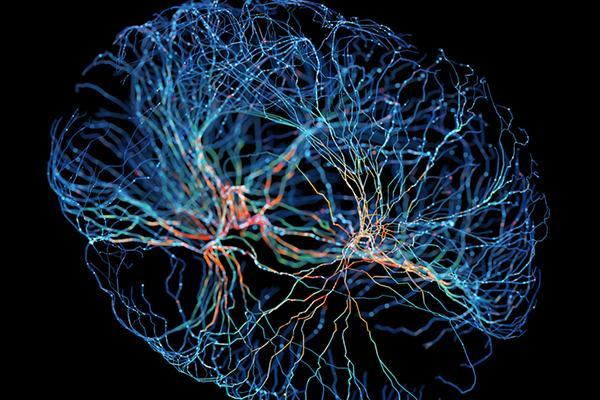
What is neurogenesis?
Neurogenesis is the birth of new nerve cells, called neurons, in the brain. The ability to grow new neurons appears more prominent in super-agers, people 80 and older whose thinking and memory skills are as sharp as adults who are decades younger.
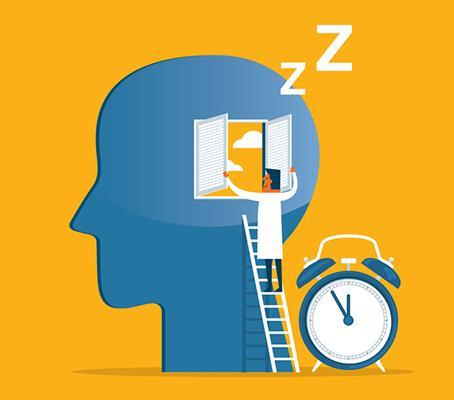
The brain's cleanup crew works while we sleep
The glymphatic system serves as the brain’s cleanup crew. It promotes the circulation of cerebrospinal fluid through the brain during deep sleep, flushing away amyloid and other proteins that can lead to neurological conditions such as Alzheimer’s, Parkinson’s disease, and Lewy body dementia.

7 things you can do to prevent a stroke
Aging and a family history can increase the risk for a stroke, but women can lower it by managing factors that are under their control-such as diet, exercise, blood pressure, smoking, and diabetes.

What are the best treatment options for essential tremor?
When tremors progress from a mild nuisance to disrupting daily life, specific therapies may offer relief and help steady your movements.

Could my symptoms be due to Parkinson's disease or another neurological condition?
Tingling, leg weakness, and voice changes can be alarming. Learn how doctors sort out these symptoms and when Parkinson's disease may be suspected.
Naturally gluten-free foods
Harvard study: Healthier fats linked to longer life after prostate cancer diagnosis
Shingrix shingles vaccine linked with lower heart disease risks
Estrogen-only hormone therapy tied to lower dementia risk
Should you have a hysterectomy?
Stair climbing may significantly lower cardiovascular risks
Why do I sweat so much?
Walking pneumonia: The "mild" illness that can still pack a punch
What causes knee pain: How doctors make a diagnosis
Where you carry excess weight matters in predicting heart disease risk
Free Healthbeat Signup
Get the latest in health news delivered to your inbox!
Sign Up
