

Naturally gluten-free foods

Harvard study: Healthier fats linked to longer life after prostate cancer diagnosis

Shingrix shingles vaccine linked with lower heart disease risks

Estrogen-only hormone therapy tied to lower dementia risk

Should you have a hysterectomy?

Stair climbing may significantly lower cardiovascular risks

Why do I sweat so much?

Walking pneumonia: The "mild" illness that can still pack a punch

What causes knee pain: How doctors make a diagnosis

Where you carry excess weight matters in predicting heart disease risk
Dementia Archive
Articles

Working during retirement years
Continuing to work in retirement can address many specific health needs of men as they age, such as stronger social connection, better cognitive health, and a greater sense of purpose. Regular work has been linked with higher rates of happiness and a lower risk for multiple health conditions. For men who don't want to re-enter the workforce, options like volunteering and mentoring can offer many of the same health benefits.
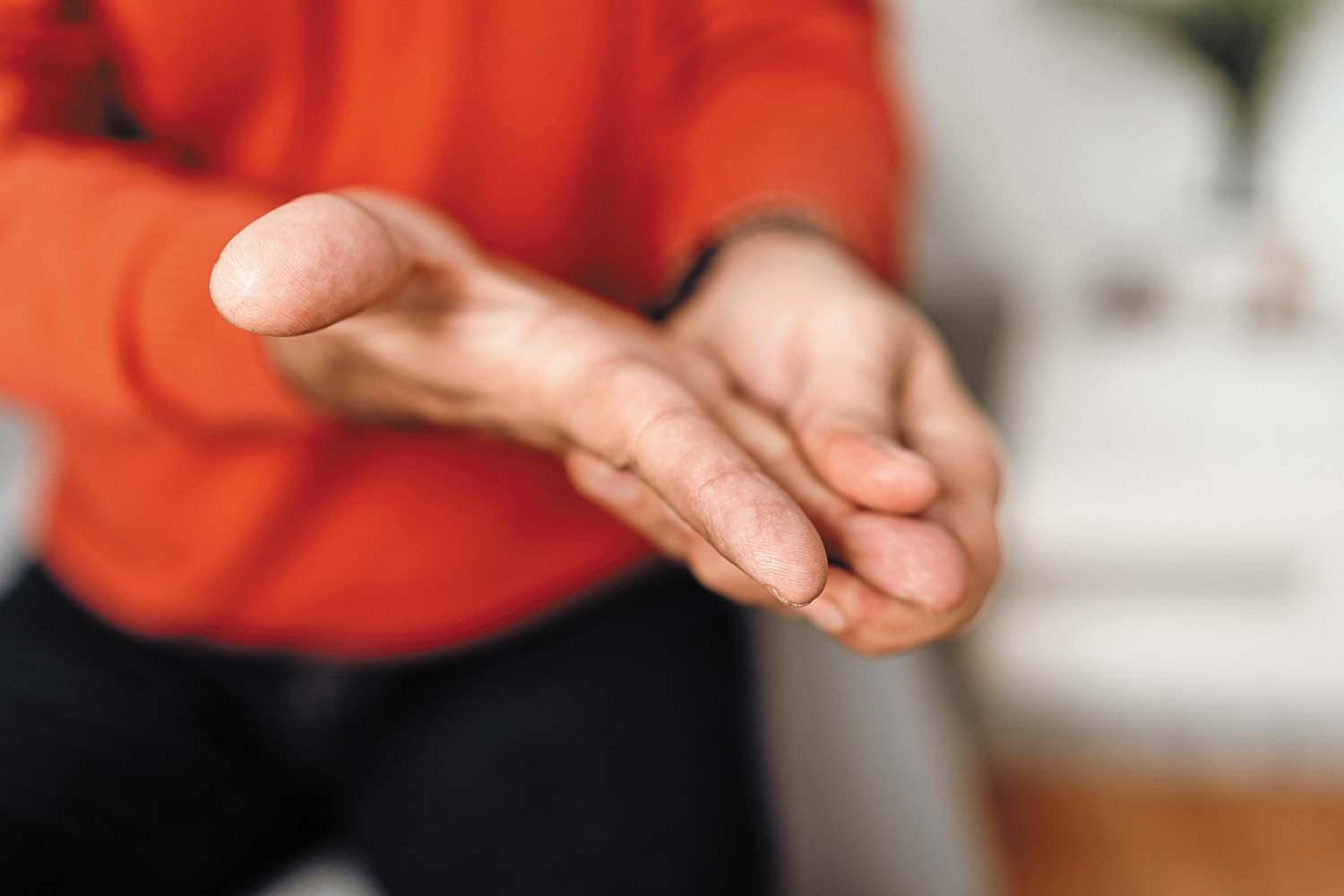
What is essential tremor?
Essential tremor is marked by involuntary shaking of one or more body parts, such as the hands, arms, legs, or head. Avoiding caffeine and stress and getting plenty of rest can be helpful. Several medications are available to ease the symptoms.
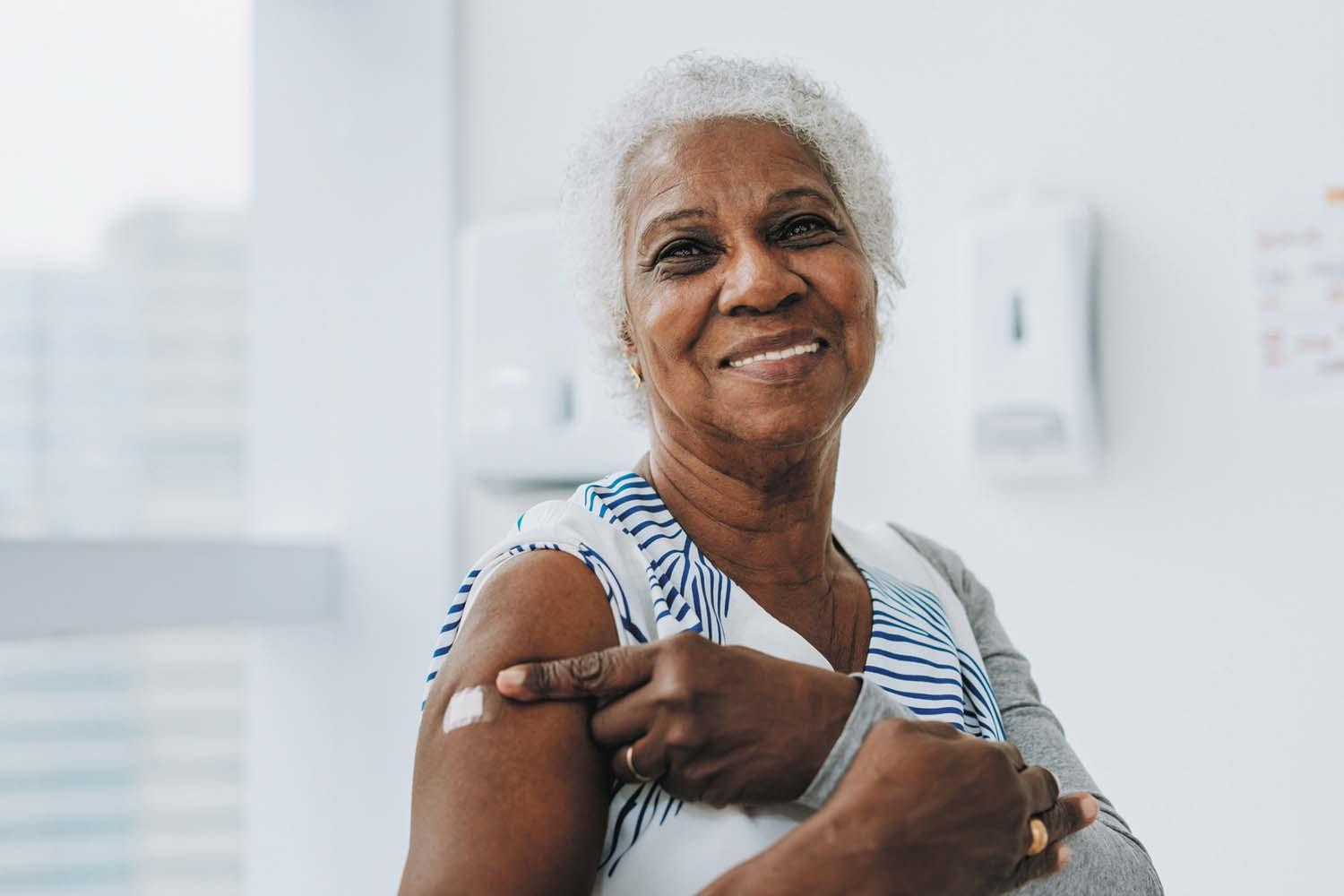
Shingles vaccine may protect against dementia
A 2025 study suggested that getting the shingles vaccine can significantly reduce the likelihood of developing dementia, especially among women.
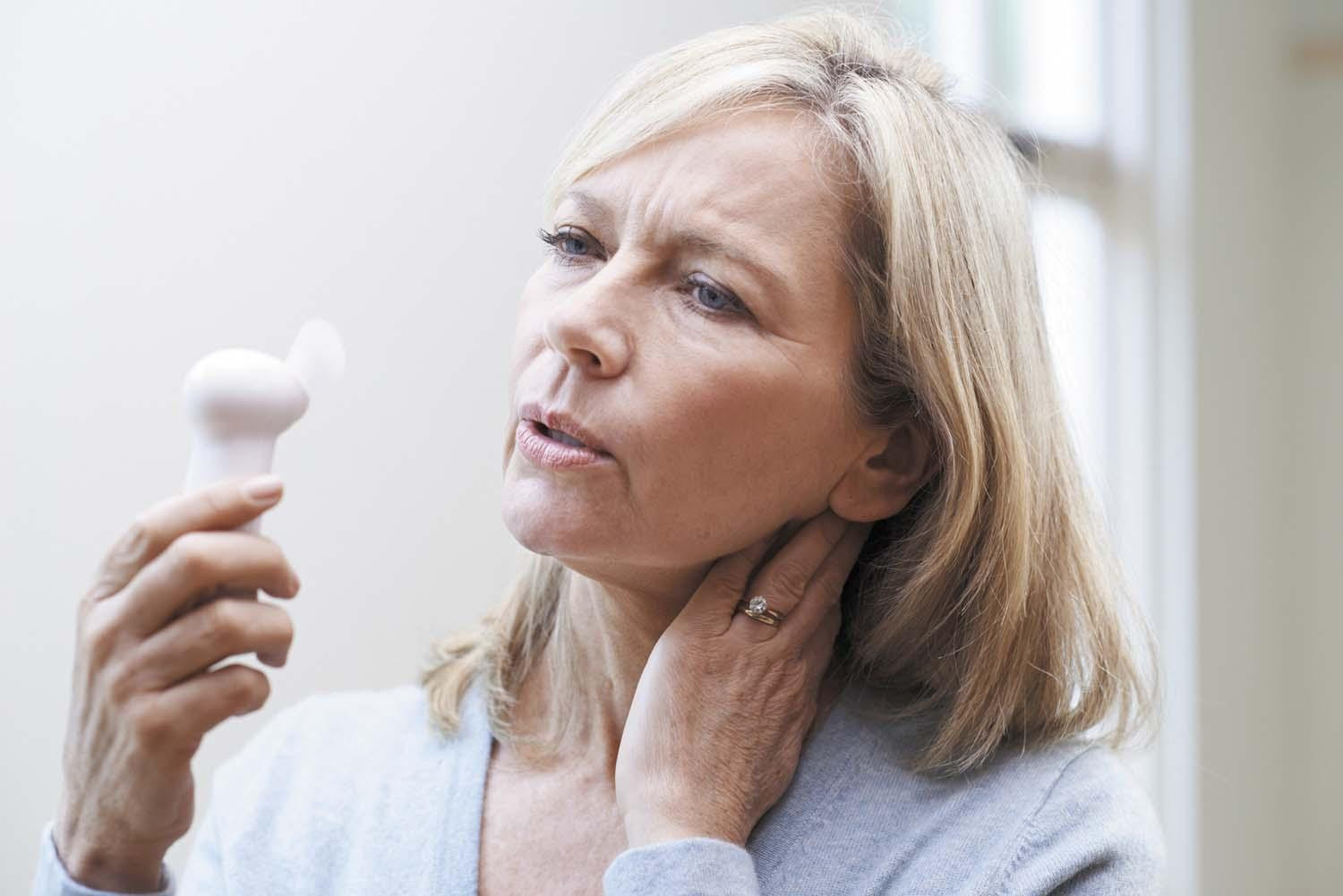
Are hot flashes a warning sign?
Menopausal hot flashes and night sweats, called vasomotor symptoms, are linked in research to higher odds of dementia and cardiovascular disease. But studies don't necessarily account for other health and lifestyle factors that influence brain and heart health. Women who are physically active and have a lower body mass index are less likely to become cognitively impaired. Disrupted sleep, which is common for women with vasomotor symptoms, may also contribute to cardiovascular and cognitive problems.
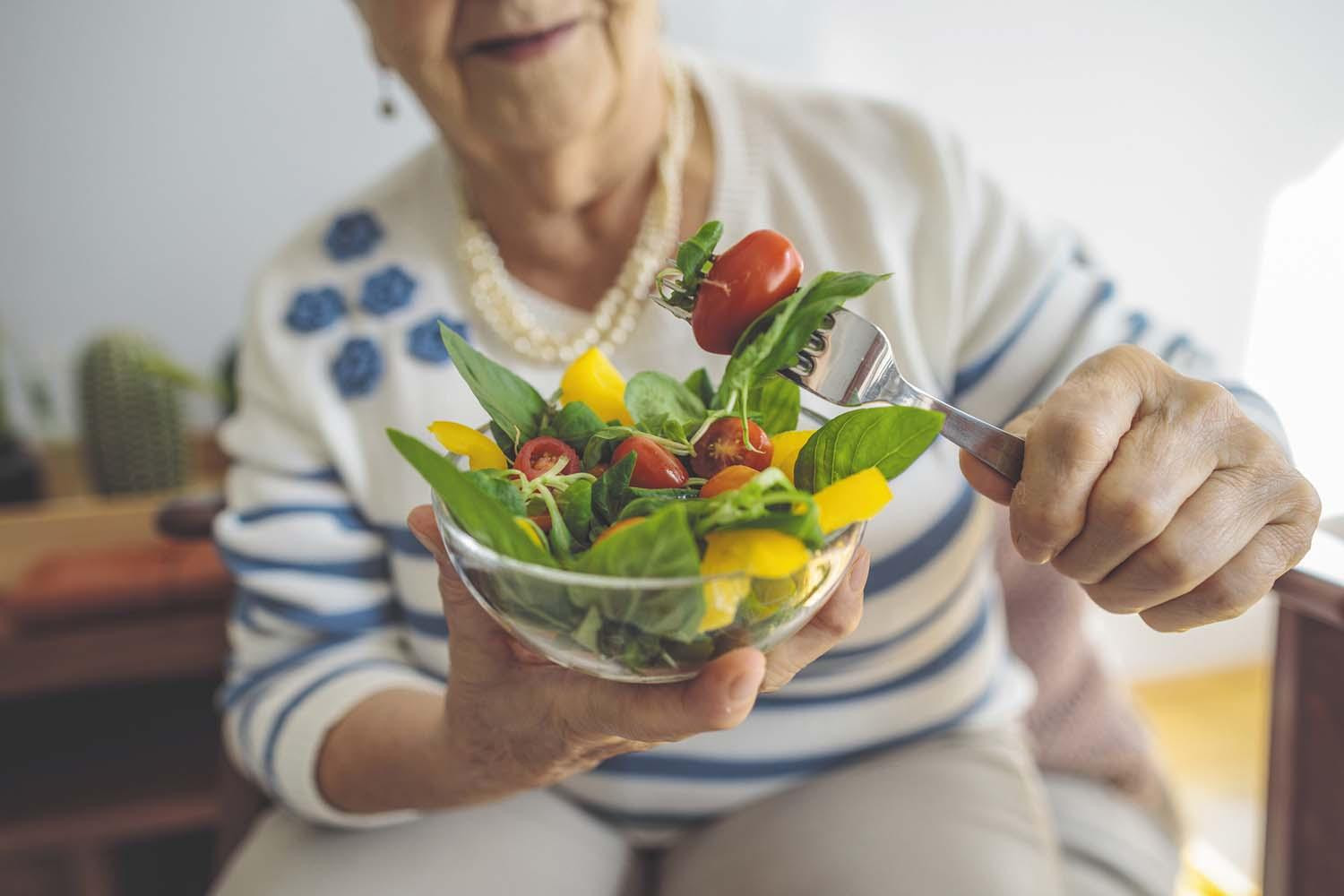
Eat a healthy diet and banish a big belly to protect your mind
In a 2025 study, people with the healthiest diets and trimmest bellies at midlife had better brain connections and skills decades later, compared with people who ate the worst diets and had the most belly fat.
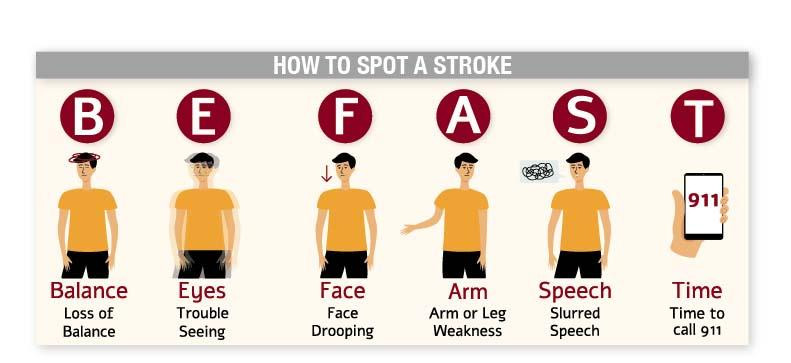
Brief brain attacks: Short symptoms, long consequences
A 2025 study finds that a first-time transient ischemic attack (TIA) can lead to the same long-term decline in thinking and memory problems as a full-blown stroke. Experts suggest cognitive testing after a TIA. People who have TIAs should take extra care to address risk factors for heart attack and stroke, such as high blood pressure and high cholesterol. Exercising regularly and staying socially active may help ward off cognitive decline.

Weight training may protect the brain from cognitive decline
A small 2025 study found that older adults who did six months of weight training improved their ability to recall recent events and information. They also had had less brain shrinkage in regions affected by Alzheimer's disease, compared with people who did not do the training.

The simple memory and attention booster you can do anywhere for free
Mindfulness might help improve attention and memory. Mindfulness is the practice of focusing on the present moment, including thoughts, feelings, and all information coming in from the senses, such as sights, sounds, and smells. Many studies have shown that mindfulness helps people improve well-being, concentrate, engage more effectively in daily activities, and pay more attention. Attention is the most crucial factor when it comes to memory; whatever someone pays attention to is what he or she remembers.
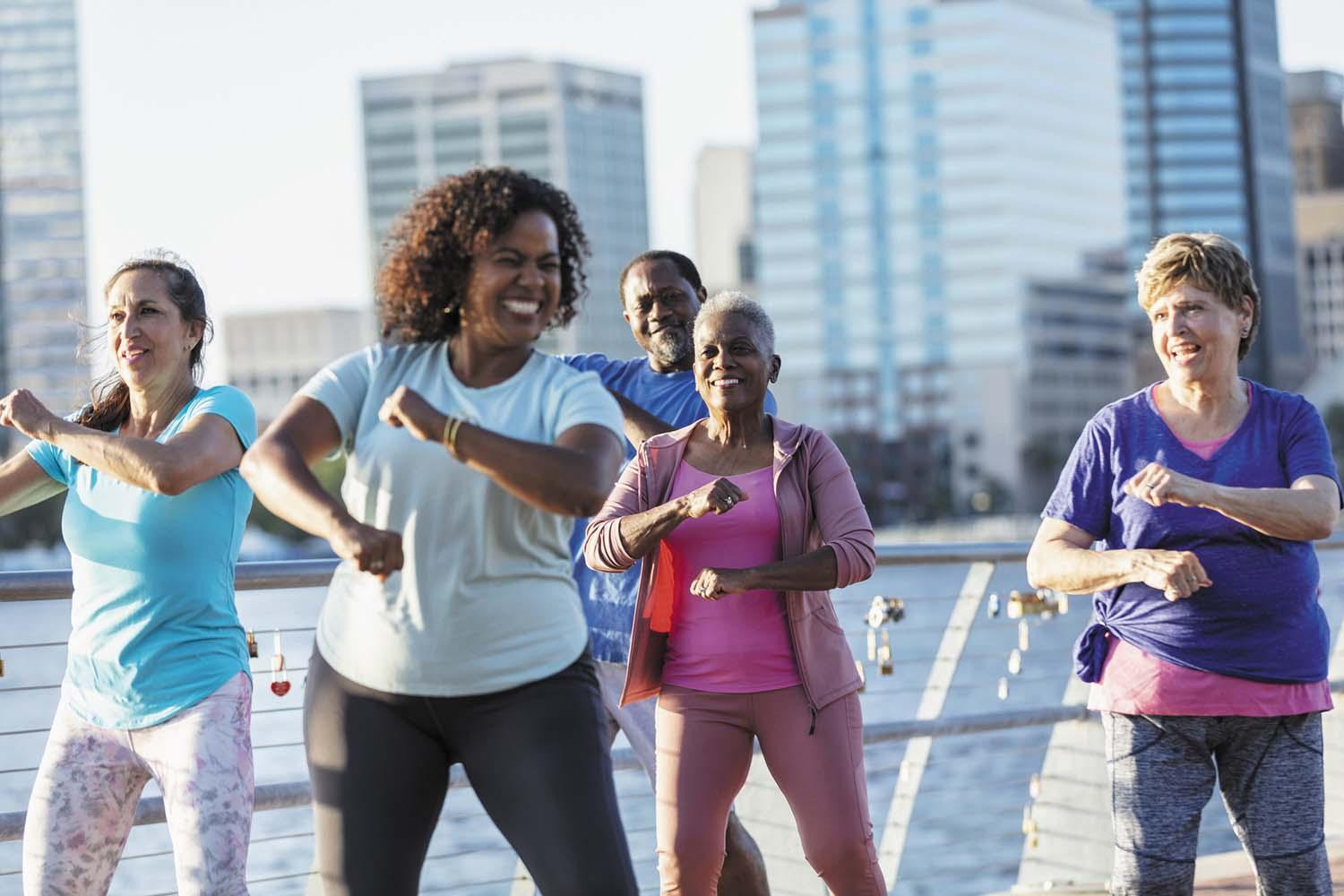
Twist, turn, tone
Dancing is a popular leisure activity. Evidence suggests dance boasts all the same benefits as other forms of consistent aerobic exercise: lowering blood pressure, building muscle and bone, increasing aerobic capacity, reducing anxiety, and improving depression symptoms. Dance can also counter loneliness and isolation and be easier to stick with than exercise that's more repetitive. People who want to try dance can frame it as a hobby instead of exercise, take a group class, and modify dance movements to accommodate pain or limited mobility.

Unlocking the secrets of super-agers
Super-agers are people who reach their 80s, 90s, or beyond with the memory capacity of someone at least three decades younger. As people get older, certain brain regions shrink, slowing brain functions. But super-agers retain more brain volume in areas linked to memory and movement, and their brains shrink more slowly over time. Women are more likely to be super-agers because they live, on average, longer than men. Genetics also appear to play a significant role in achieving super-ager status.
Naturally gluten-free foods
Harvard study: Healthier fats linked to longer life after prostate cancer diagnosis
Shingrix shingles vaccine linked with lower heart disease risks
Estrogen-only hormone therapy tied to lower dementia risk
Should you have a hysterectomy?
Stair climbing may significantly lower cardiovascular risks
Why do I sweat so much?
Walking pneumonia: The "mild" illness that can still pack a punch
What causes knee pain: How doctors make a diagnosis
Where you carry excess weight matters in predicting heart disease risk
Free Healthbeat Signup
Get the latest in health news delivered to your inbox!
Sign Up
