

CoQ10: Should you take this popular supplement if you're on a statin?

Microplastics: A hidden health threat?

Oat vs. dairy milk: Nutrition, benefits, and downsides

What is tempeh? Benefits, nutrition, and how to use it

Healing after food poisoning

Children of centenarians may stay healthier and live longer too, study finds

Light exposure at night may raise risk for heart disease

Whole grains may improve several heart risk factors at once

A lumbar belt may help ease low back pain

Signs of pneumonia: Sometimes vague and unexpected
Contraception and birth control Archive
Articles

How chemotherapy can affect women's sexual health — and what can help
Chemotherapy treatment in women can diminish hormone levels that affect sexual health and intimacy. It can also alter self-image, sex drive, and emotions. Research suggests anywhere from 40% to 100% of cancer survivors struggle with sexual dysfunction.

Diagnosing and treating premenstrual dysphoric disorder
Women who experience severe premenstrual symptoms may have a condition called premenstrual dysphoric disorder. Antidepressants may relieve these symptoms and, depending on the person, can be taken intermittently instead of daily.

Why testosterone levels drop and when to consider treatment
Low libido, erectile dysfunction, fatigue, reduced muscle mass, hot flashes, and more may be symptoms of testosterone deficiency. Testing can help determine the diagnosis, and testosterone replacement therapy may help counter the decline in the hormone.

How can I tell if I'm developing arthritis or musculoskeletal syndrome of menopause?
Osteoarthritis and musculoskeletal syndrome of menopause can involve overlapping symptoms. But arthritis pain tends to be concentrated in specific joints, while joint pain and achiness from musculoskeletal syndrome of menopause usually occurs in multiple joints and muscles at once.
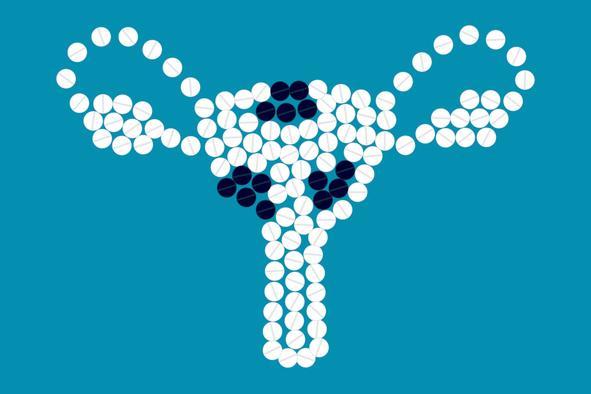
Fibroids tied to higher risk of cardiovascular disease
A 2026 study suggested that women with uterine fibroids may have far higher long-term risks of developing atherosclerotic cardiovascular disease, including heart attack and stroke.
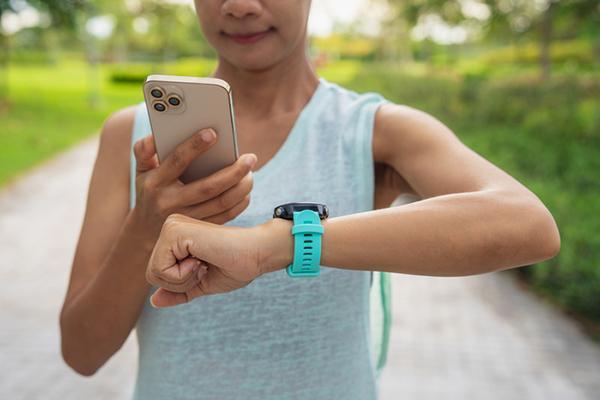
How femtech can empower women at midlife and beyond
Femtech (short for female technology) has expanded dramatically since its genesis a decade ago. Encompassing apps, wearable devices, medical hardware, and online platforms, femtech tools have increasingly focused on midlife and older women.

Self-administered hypnosis may ward off hot flashes
A 2025 study suggested that self-administered hypnosis can reduce hot flash frequency and intensity in menopausal women.
What could cause night sweats in a middle-age man?
For men, night sweats can signal anything from room temperature issues to infections, sleep apnea, medications, hormonal problems, or something else.

How much coffee, if any, is safe during early pregnancy?
Coffee, tea, and soda all contribute to daily caffeine intake. Too much could affect miscarriage risk, as well as the baby's size.
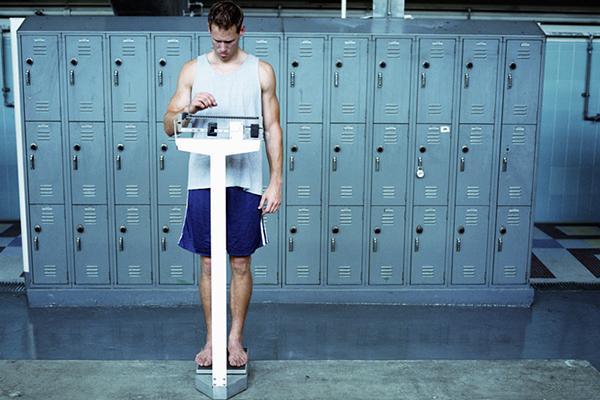
What is a healthy weight for a young man?
Charts offer BMI ranges and waist targets, but they aren't the whole story. Learn how height, belly fat, diet, and activity shape "healthy" weight.
CoQ10: Should you take this popular supplement if you're on a statin?
Microplastics: A hidden health threat?
Oat vs. dairy milk: Nutrition, benefits, and downsides
What is tempeh? Benefits, nutrition, and how to use it
Healing after food poisoning
Children of centenarians may stay healthier and live longer too, study finds
Light exposure at night may raise risk for heart disease
Whole grains may improve several heart risk factors at once
A lumbar belt may help ease low back pain
Signs of pneumonia: Sometimes vague and unexpected
Free Healthbeat Signup
Get the latest in health news delivered to your inbox!
Sign Up
