

Fatty liver disease: Should you be tested?

Weight-loss drug may lower risk of heart attacks and infections

Testosterone therapy without evidence of deficiency may boost heart risk

Even a little exercise linked with lower stroke risk in people with afib

Antihistamines may not offer meaningful relief from eczema symptoms

What to eat on the DASH diet

Tricep workouts you can do at home

FDA approves first mRNA-based flu vaccine

Migraine: How it's diagnosed and what that means

Mindfulness practices to reduce stress and improve focus
Concentration & Focus Archive
Articles

Don't buy into brain health supplements
Brain health supplements purport to enhance memory and improve attention and focus. But no robust scientific evidence backs up those claims. The FDA doesn't oversee supplement testing, so manufacturers do not need to prove products are effective.
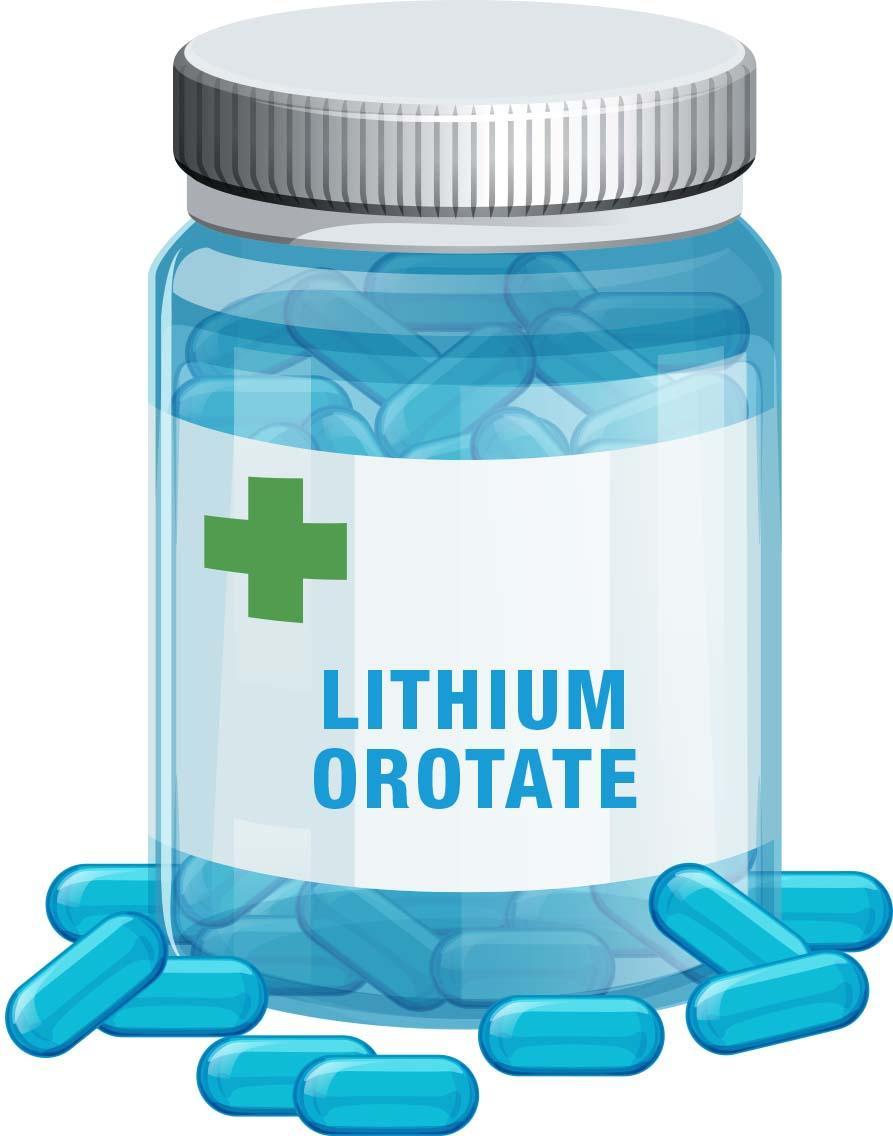
Will lithium supplements be used to fight Alzheimer's one day?
A 2025 study suggests that very low levels of lithium in the brain might be linked to Alzheimer's disease. In mice, certain lithium supplements seemed to protect memory and the brain. But scientists don't yet know if lithium pills are safe or helpful for people.

Cervical dystonia: A challenging neck condition
Cervical dystonia is a movement disorder that causes involuntary, sustained muscle contractions that make the head wobble or rest in abnormal positions. Symptoms can be disruptive, making it hard for people with the condition to drive, dress, or reach for objects.

5 skills teens need in life - and how to encourage them
All parents want their children to be happy and able to successfully navigate life's challenges. Five core skills form a great foundation, and while parents can and should support young children in building these skills, encouraging teens to reinforce and refine their skills is important.

How to spot Parkinson's disease symptoms
Parkinson’s disease symptoms tend to develop gradually and can be mistaken for normal aging. Early movement-related signs include tremor in one hand, slower movements, mild balance and gait changes, and muscle stiffness. Other clues include loss of smell, sleep changes, and constipation.

Prompt treatment for head injury may lower your risk of dementia
A 2025 study found that people ages 50 to 90 who received treatment within one week after a moderate or severe traumatic brain injury had a 41% lower risk of developing Alzheimer's disease over the following three years, suggesting that early treatment may be important.

Ask the Doc: What can you do to improve your memory?
Do you find yourself misplacing your keys more often? Losing your glasses on a daily basis? Forgetting dentist appointments? In our short video, Dr. Mallika Marshall describes common-sense strategies for improving your memory.
Speaking multiple languages may promote healthy aging
A 2025 study suggested that living in areas where residents commonly speak multiple languages may promote healthy aging.
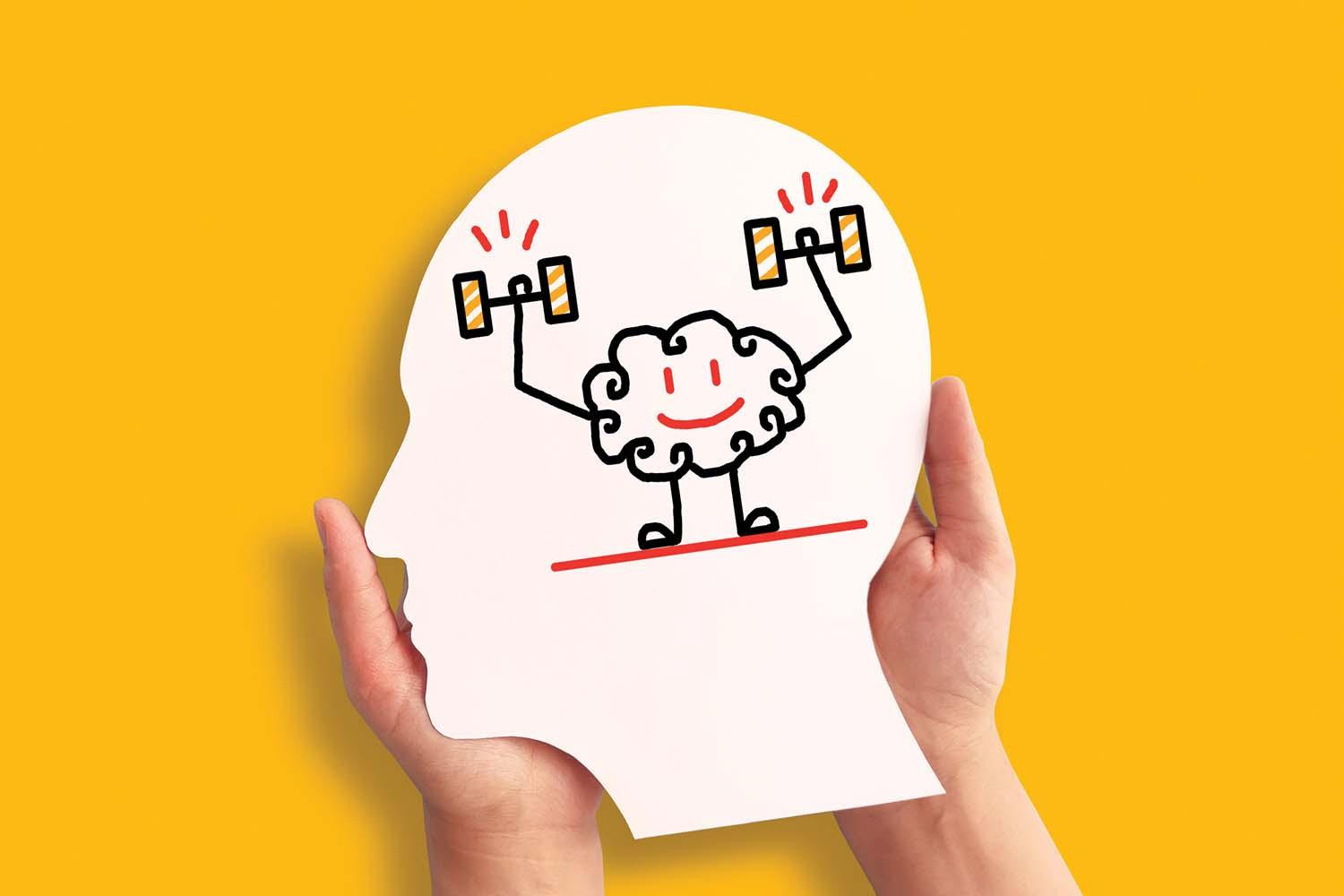
Boost your cognitive fitness in the new year
The new year is a good time to focus on cognitive fitness. Exercise, healthy eating, mental challenges, good sleep, controlling stress, and social engagement support neuroplasticity and help keep thinking and memory sharp.

Quitting smoking in middle age can reduce dementia risk
A 2025 study suggests that smokers who quit in middle age may, within a decade, reduce their risk of developing dementia to that of people who never smoked.
Fatty liver disease: Should you be tested?
Weight-loss drug may lower risk of heart attacks and infections
Testosterone therapy without evidence of deficiency may boost heart risk
Even a little exercise linked with lower stroke risk in people with afib
Antihistamines may not offer meaningful relief from eczema symptoms
What to eat on the DASH diet
Tricep workouts you can do at home
FDA approves first mRNA-based flu vaccine
Migraine: How it's diagnosed and what that means
Mindfulness practices to reduce stress and improve focus
Free Healthbeat Signup
Get the latest in health news delivered to your inbox!
Sign Up
