

Carb cycling: What is it, and does it work?

Understanding orthorexia: Have your healthy eating goals gone too far?

Melatonin or magnesium: Can either supplement help you sleep?

Salmonella, E. coli, Cyclospora, and other germs that cause food poisoning: What you need to know

Shingrix shingles vaccine linked with lower heart disease risks

Harvard study: Healthier fats linked to longer life after prostate cancer diagnosis

Naturally gluten-free foods

Stair climbing may significantly lower cardiovascular risks

Estrogen-only hormone therapy tied to lower dementia risk
Should you have a hysterectomy?
Colds and flu Archive
Articles

Learning to live well with a persistent illness
Having a persistent illness is challenging. It means having to make changes and adjustments to accommodate your needs, but it does not have to mean giving up on everything you enjoy.

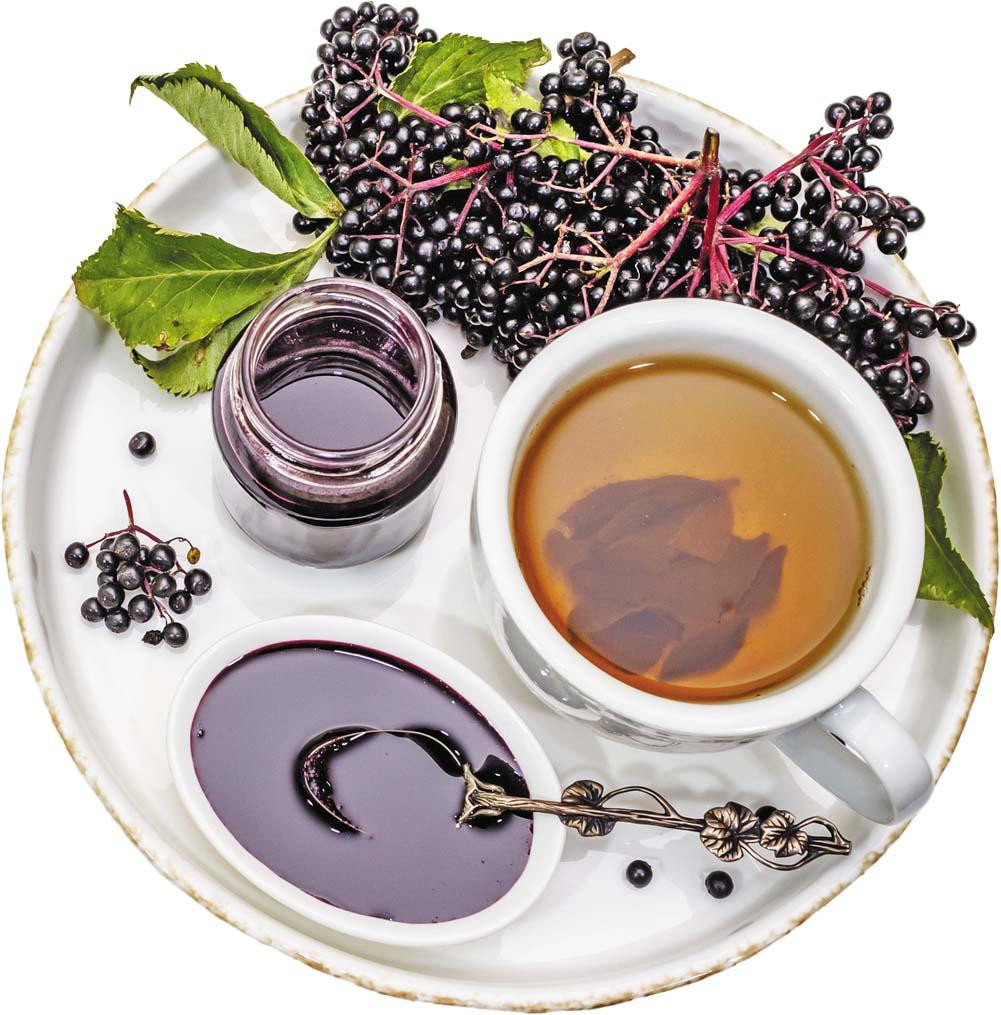
The health benefits of elderberry
Elderberry syrup or tea may help reduce the duration and severity of cold and flu symptoms, but the evidence for these benefits is uncertain. Claims that elderberry products can prevent viral infections or boost immunity are unproven.
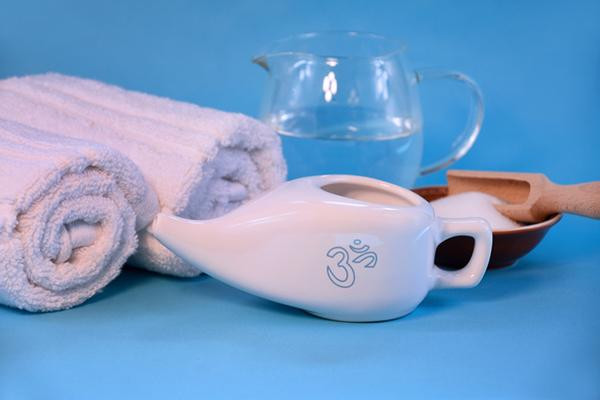
Can nasal irrigation help with winter colds and congestion?
Daily nasal irrigation (nasal rinses) may reduce symptom severity and the duration of a cold. It can also relieve the congestion caused by sinus infections and allergies. By means of a squeeze bottle, neti pot, or battery-powered system, saline is inserted into one nostril and flows out the other.
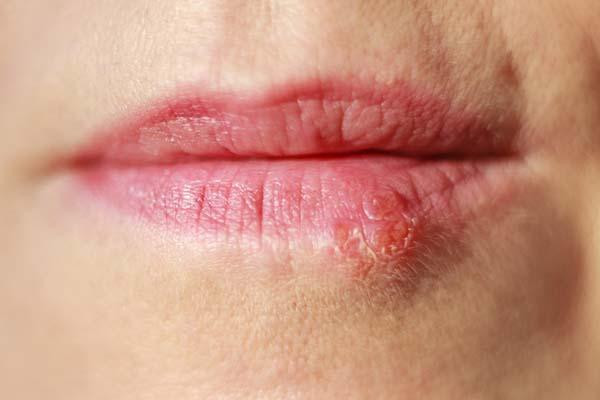
Is there a way to keep cold sores from coming back?
About half of Americans have herpes simplex virus type 1, which causes cold sores that can recur periodically. The virus can't be eliminated, but topical and oral treatments can help. In addition, people can avoid cold sore triggers such as stress or fatigue.
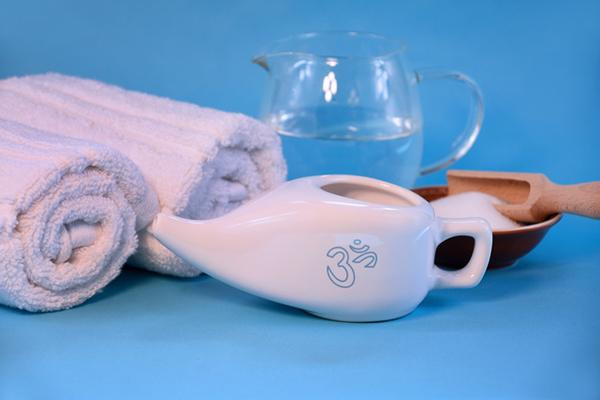
Can nasal irrigation help with winter colds and congestion?
Daily nasal irrigation (also called nasal rinses) may reduce symptom severity and the duration of a cold. It can also relieve the congestion caused by sinus infections and allergies. It is unclear whether it can prevent colds. By means of a squeeze bottle, neti pot, or battery-powered system, saline (salt water) is inserted into one nostril and flows out the other. It's important to always use sterile water, meaning distilled or cooled boiled water. The rinse helps wash away mucus and some inflammatory chemicals, reducing the swelling that's responsible for congestion.
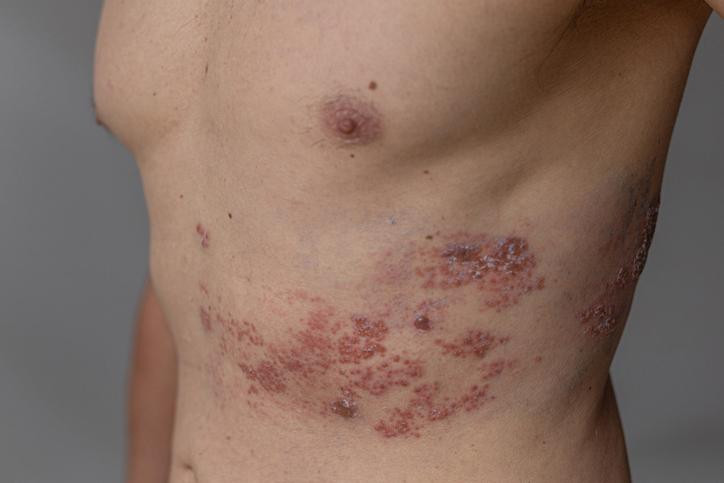
What to do if you have - or suspect you have - shingles
Shingles occurs when the dormant chickenpox virus reactivates, causing tingling, burning, and a painful, blistering rash. Shingles can affect anyone who has had chickenpox, with higher risk after age 50 and in people with weakened immunity. Diagnosis and treatment within three days of the rash appearing can shorten the illness and reduce severity. Most people recover completely from shingles, but there may be complications, such as post-herpetic neuralgia, which is pain that can be severe and long-lasting. Vaccination is the best way to prevent shingles and its complications.

Respiratory syncytial virus (RSV) tied to heart problems
A 2025 study suggests that respiratory syncytial virus (RSV) can lead to heart-related complications, such as a heart attack, chronic heart failure, or an irregular heartbeat-even in people without a previous heart condition.

The complicated risks of simple cold remedies
Over-the-counter cold remedies can be helpful, but they must be carefully considered before use. They contain drugs that can cause serious side effects, interact with other medications, and worsen certain health conditions. For example, decongestants can help ease a stuffy nose but also can increase blood pressure and heart rate. And cough suppressants can help someone stop coughing, but taking too much can cause dizziness, confusion, or even changes in mood or thinking.
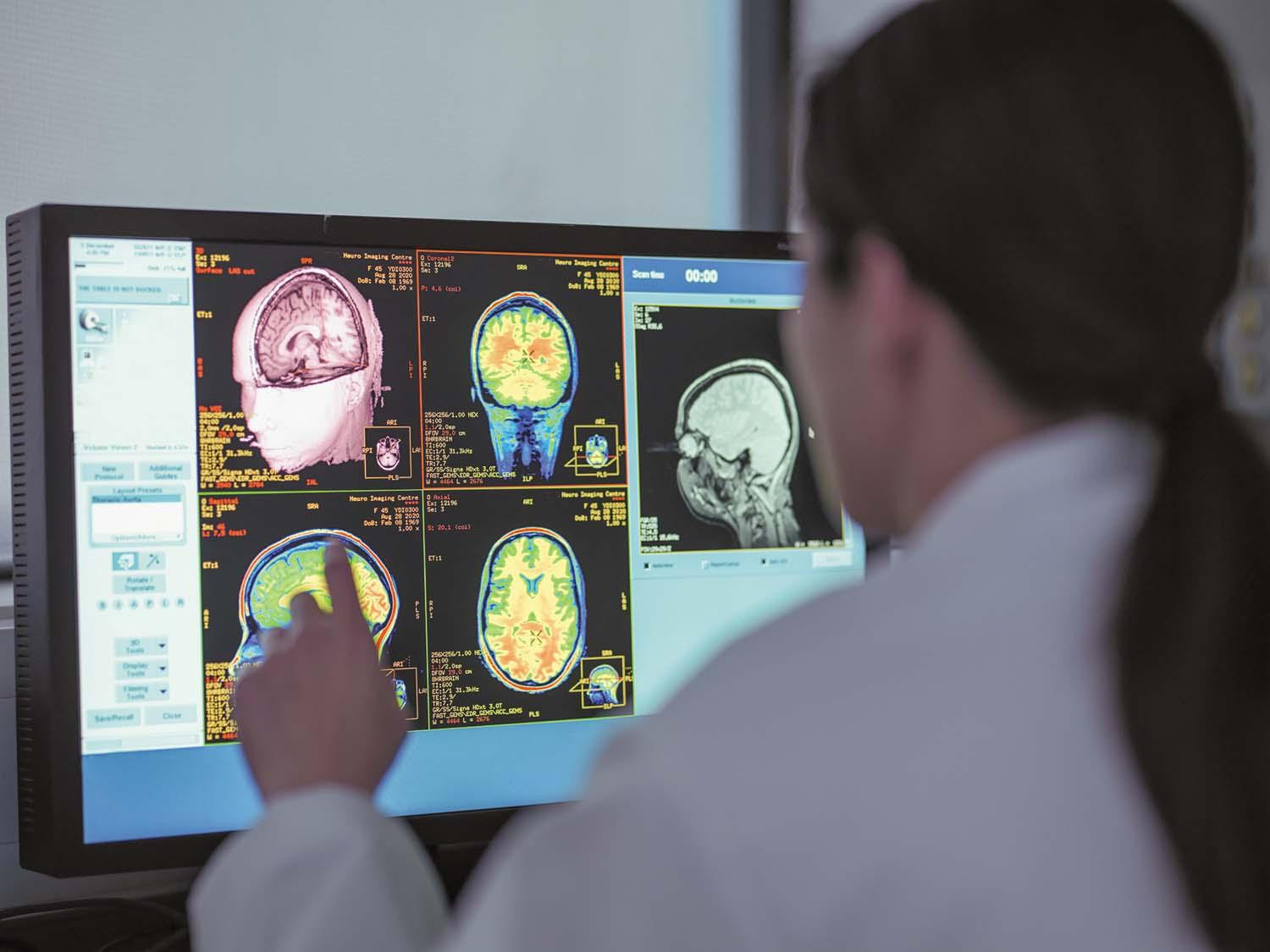
Can our brain talk to our immune system?
A 2025 study of 250 people found that the brain can tell the immune system to prepare for impending infection even before a microbe enters the body. Scientists asked volunteers to don virtual reality headsets that showed various virtual people approaching them. Some of those approaching appeared to be healthy and others appeared to be sick. Brain scans and blood tests showed that participants' brains activated their immune systems when a virtual sick person simply came near them.
Carb cycling: What is it, and does it work?
Understanding orthorexia: Have your healthy eating goals gone too far?
Melatonin or magnesium: Can either supplement help you sleep?
Salmonella, E. coli, Cyclospora, and other germs that cause food poisoning: What you need to know
Shingrix shingles vaccine linked with lower heart disease risks
Harvard study: Healthier fats linked to longer life after prostate cancer diagnosis
Naturally gluten-free foods
Stair climbing may significantly lower cardiovascular risks
Estrogen-only hormone therapy tied to lower dementia risk
Should you have a hysterectomy?
Free Healthbeat Signup
Get the latest in health news delivered to your inbox!
Sign Up
