

Carb cycling: What is it, and does it work?

Understanding orthorexia: Have your healthy eating goals gone too far?

Melatonin or magnesium: Can either supplement help you sleep?

Salmonella, E. coli, Cyclospora, and other germs that cause food poisoning: What you need to know

Shingrix shingles vaccine linked with lower heart disease risks

Harvard study: Healthier fats linked to longer life after prostate cancer diagnosis

Naturally gluten-free foods

Stair climbing may significantly lower cardiovascular risks

Estrogen-only hormone therapy tied to lower dementia risk

Should you have a hysterectomy?
Colds and flu Archive
Articles

Can pernicious anemia be treated with vitamin B12 pills instead of injections?
Monthly vitamin B12 shots for pernicious anemia can be a hassle. Explore whether high‑dose vitamin B12 pills or other non‑injection treatments might be an option.

What can I do to stop postnasal drip?
A constant drip in the back of your throat isn’t always from a cold. Saline rinses, humid air, and cautious decongestant use may all help put an end to postnasal drip.

Is it okay to get a flu shot if I have a mild sinus infection?
Mild sinus or ear infections don't necessarily mean delaying vaccination. Learn when to wait on your flu shot and how fast protection builds.

Can I safely get the flu shot if I am breastfeeding?
Breastfeeding moms often worry about vaccines and their babies' safety. Explore how flu shots and nasal spray immunizations fit into postpartum protection.
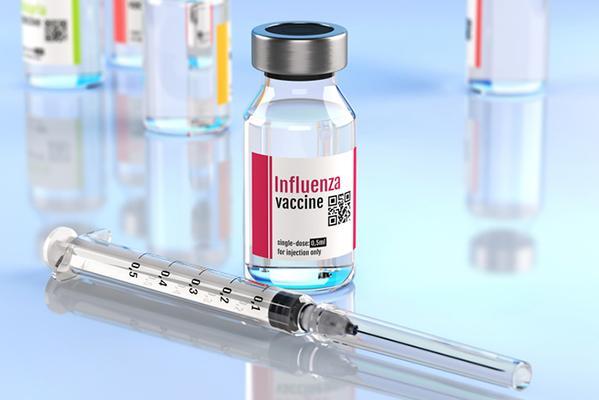
Is it safe to get the flu shot while taking certain asthma medications?
Learn how certain asthma medication affect your choices for the flu shot.
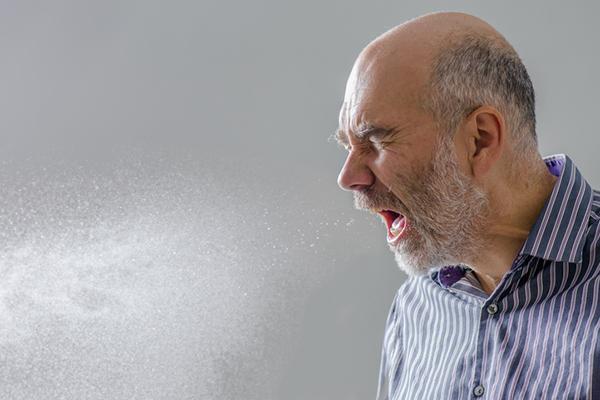
How does a cold virus spread from person to person?
Cold germs can leap from one person to the next in more ways than you might think. Learn the everyday habits that increase spread.
How does Listeria get into food and who needs to worry about it?
Soil, water, and food processing can all introduce Listeria into everyday foods. Learn who is most vulnerable and how to reduce risk.

What is oral thrush and why do I keep getting it?
Recurring white patches or odd tastes in the mouth can signal yeast infection known as thrush. Yeast overgrowth may be tied to dentures, antibiotics, or immune problems.

Measles is making a comeback: Can we stop it?
In the US, widespread vaccination halted the ongoing spread of measles more than 20 years ago, but recent outbreaks have flared in over 20 US states, leading to hospitalizations and at least two deaths. Measles is highly preventable - here's what you need to know.
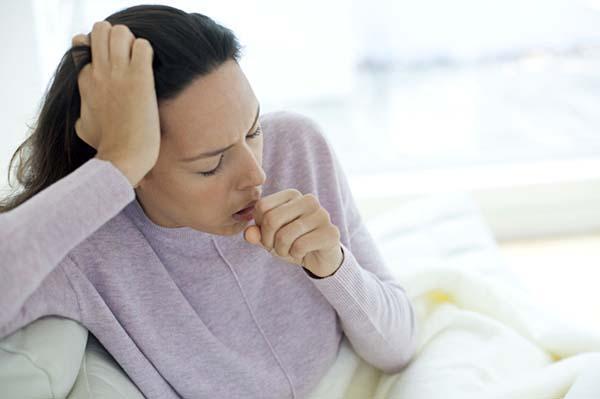
Could ongoing thrush be responsible for my chronic cough?
Mouth yeast infections sometimes extend beyond the tongue. But could thrush be responsible for throat irritation, swallowing trouble, and a stubborn cough?
Carb cycling: What is it, and does it work?
Understanding orthorexia: Have your healthy eating goals gone too far?
Melatonin or magnesium: Can either supplement help you sleep?
Salmonella, E. coli, Cyclospora, and other germs that cause food poisoning: What you need to know
Shingrix shingles vaccine linked with lower heart disease risks
Harvard study: Healthier fats linked to longer life after prostate cancer diagnosis
Naturally gluten-free foods
Stair climbing may significantly lower cardiovascular risks
Estrogen-only hormone therapy tied to lower dementia risk
Should you have a hysterectomy?
Free Healthbeat Signup
Get the latest in health news delivered to your inbox!
Sign Up
