

Whole grains may improve several heart risk factors at once

Light exposure at night may raise risk for heart disease

Children of centenarians may stay healthier and live longer too, study finds

A lumbar belt may help ease low back pain

Signs of pneumonia: Sometimes vague and unexpected

Using a vibration plate: What it can — and can't — do for your body

The surprising link between ovarian cancer and the fallopian tubes

People who walk more or walk faster live longer, study finds

Rosacea treatments: What works?

For sleep apnea, a dental device may be as effective as CPAP
Cholesterol and lipids Archive
Articles
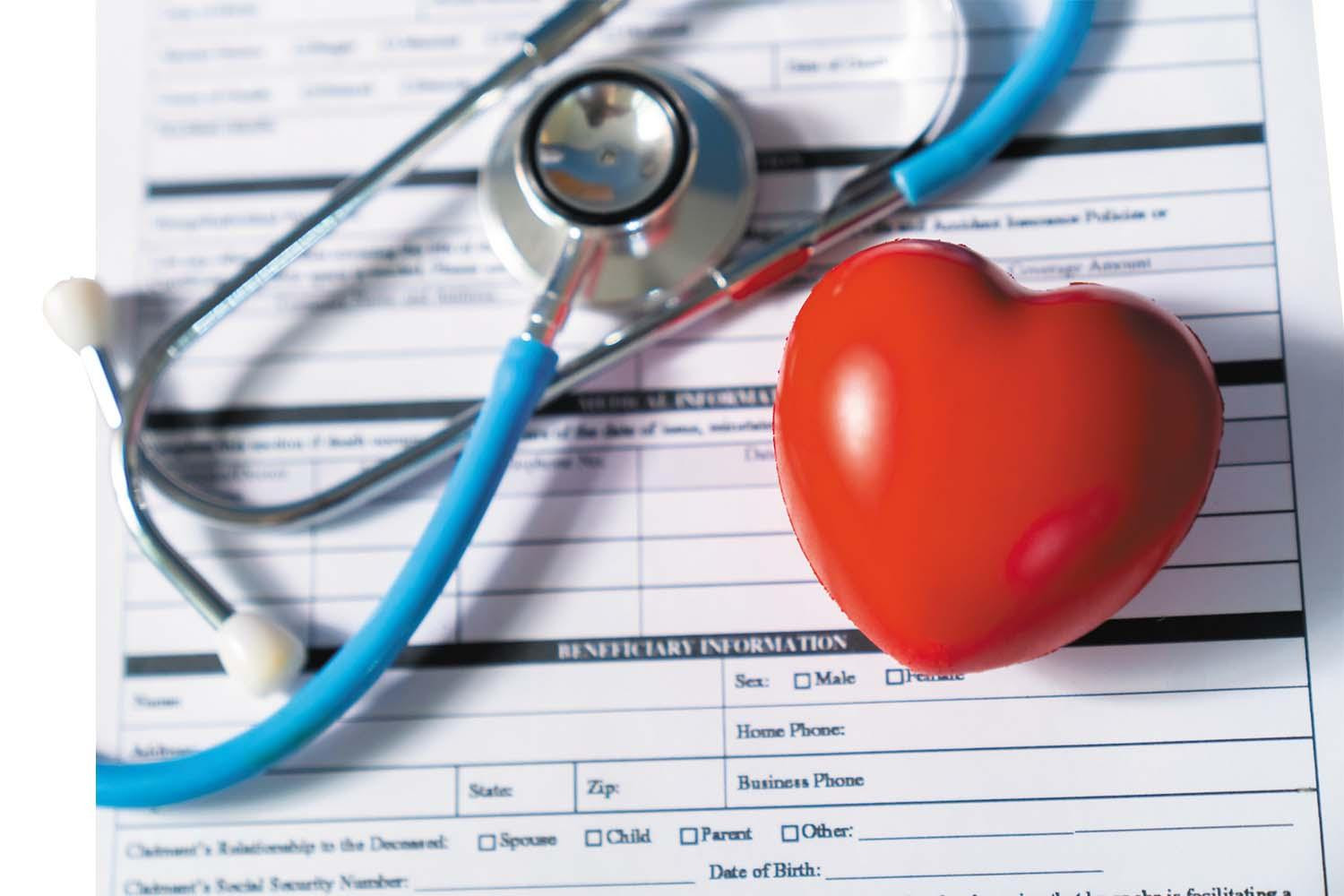
The heart attack and stroke emergency playbook
Everyone should learn what to do if a heart attack or stroke occurs, beyond calling 911. It helps to become familiar with heart attack and stroke symptoms, so they can be recognized. It's also important to speak with one's own doctor in advance, to find out if he or she advises taking an aspirin in one of those emergencies. Other precautions include keeping emergency contact and medication lists updated and handy, and talking about emergency plans with family and friends, especially one's health care proxy.
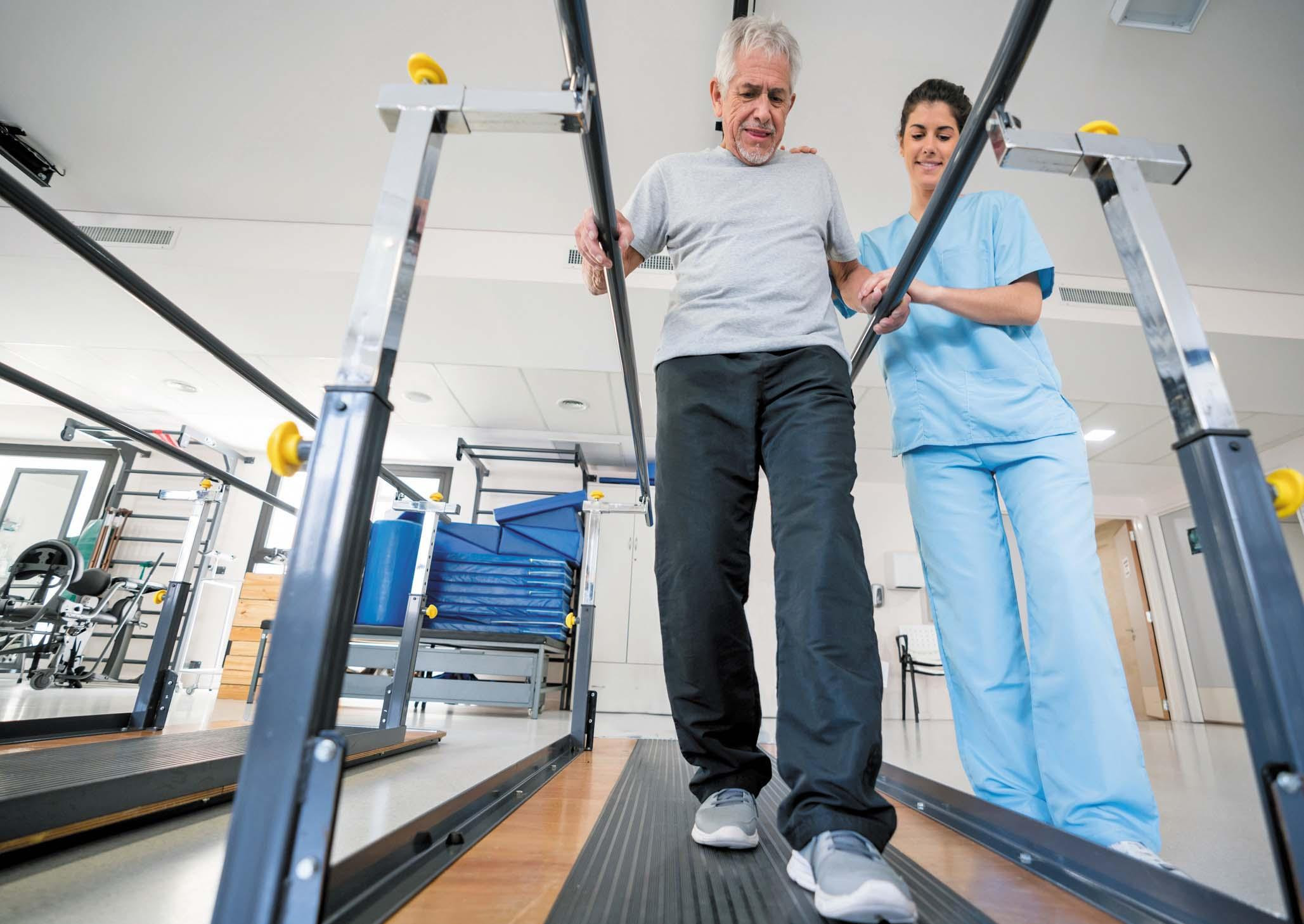
Cardiac rehab appears to help people with atrial fibrillation
A 2025 analysis of randomized trials found that cardiac rehab-a personalized program of supervised exercise and healthy lifestyle coaching-can also help people with atrial fibrillation, an irregular heartbeat that can cause stroke and heart failure.

How do I make sense of my medication orders?
Hospital discharge instructions about medications can be complicated and confusing. Having a family member or friend along as a second set of ears during the discharge meeting can be helpful.

Alcohol and heart health: A complex relationship
The association between alcohol and cardiovascular disease is both complex and controversial. There's no evidence of an increased risk for the most common forms of heart disease in people who stay within the limits for moderate drinking. Whether light to moderate drinking can lower a person's risk is impossible to answer with currently available evidence. But there is clear, consistent evidence that heavier drinking-an average of three or more drinks per day-is linked to worse outcomes for every type of heart disease.
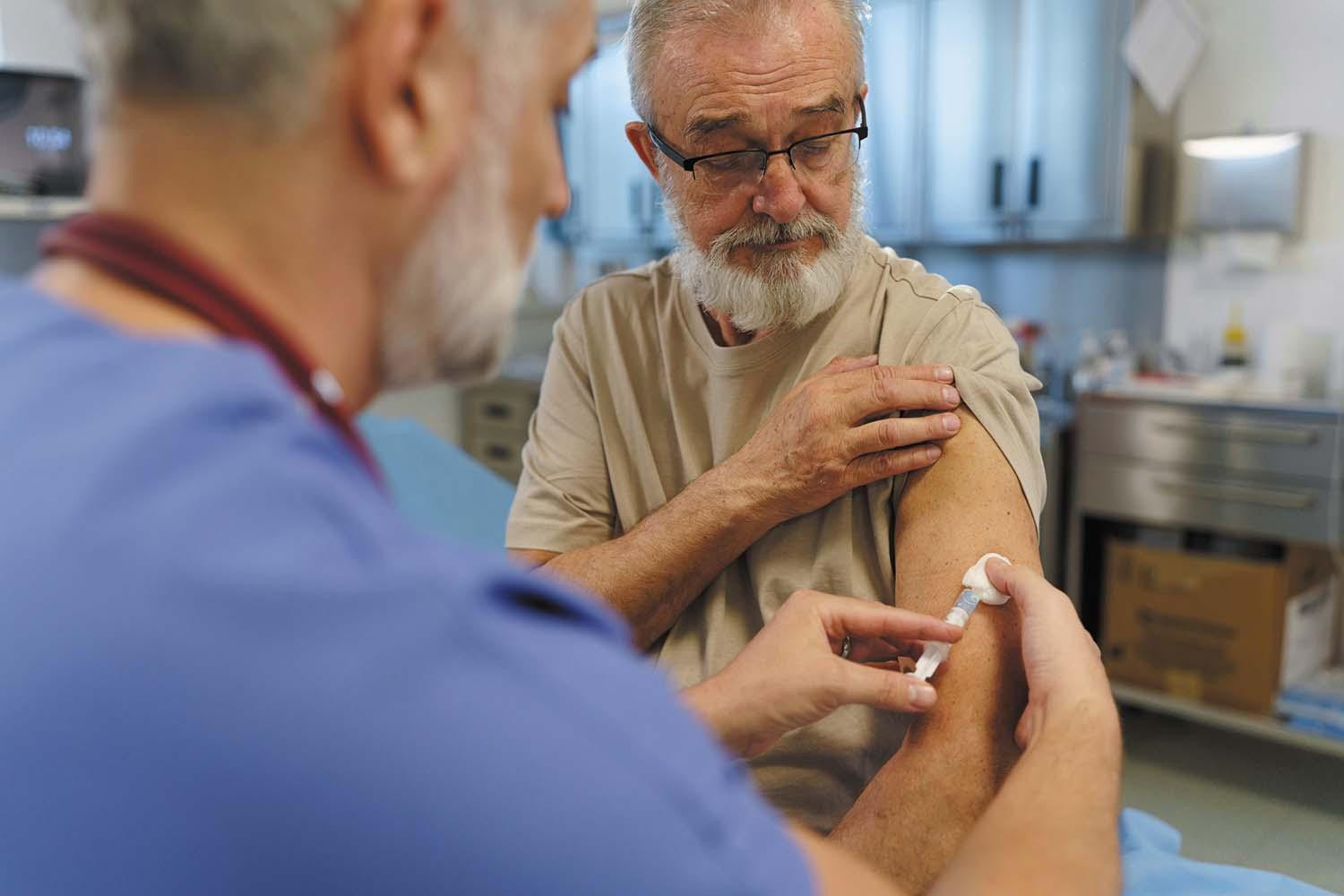
Infections, vaccines, and heart disease: What you need to know
Getting vaccinated against influenza (flu), COVID-19, and pneumonia is especially important for people who have cardiovascular disease. The coughing and congestion that commonly occur with respiratory infections can make breathing more difficult, and the potential drop in oxygen puts added stress on the heart. Serious infections sometimes trigger sepsis, which happens when the immune system is overwhelmed or goes into overdrive, causing symptoms such as a rapid heart rate, very fast breathing, and low blood pressure. These complications can lead to a heart attack.
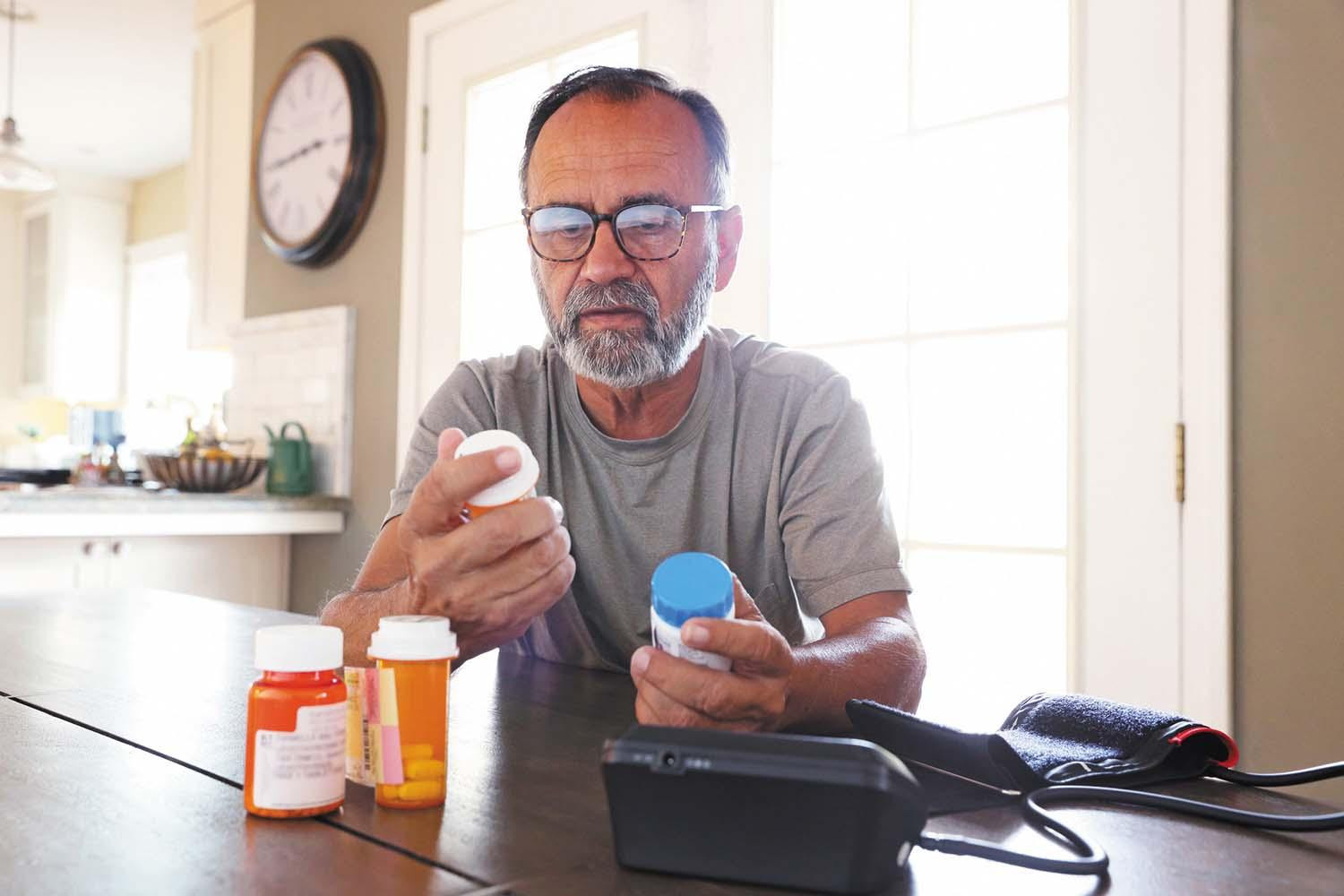
Staying healthy after a heart procedure
After common heart procedures or surgeries, medications to help prevent heart attacks and strokes are essential. These include a combination of drugs to prevent blood clots (which is known as dual antiplatelet therapy and usually taken for just one year); drugs to lower LDL cholesterol down to 70 milligrams per deciliter or lower; and drugs to keep blood pressure and blood sugar in a healthy range.

Heart disease and depression: A two way street
A heart disease diagnosis may trigger a bout of depression. But having depression can also leave people more vulnerable to heart disease. Some of the overlap stems from shared lifestyle factors, such as inactivity and an unhealthy diet. In addition to addressing those issues, other safe and effective ways to ease depression include working with a therapist, using a light box, and taking medications.

Eating diverse flavonoid foods may provide extra health protection
Eating a variety of flavonoid-rich foods may offer greater protection against cardiovascular disease and cancer than eating only a few high-flavonoid foods, according to a 2025 study.
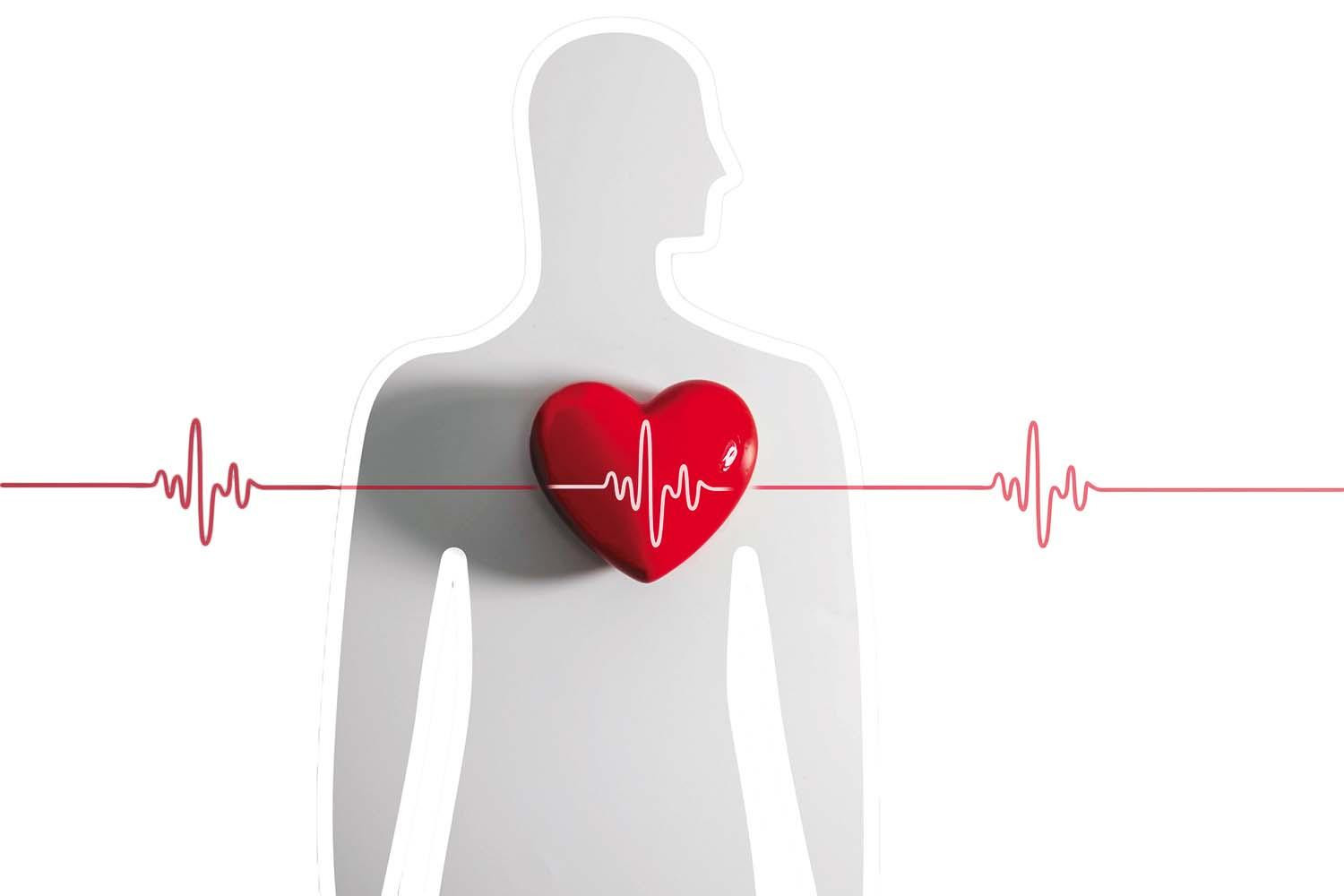
When should you worry about abnormal heartbeats?
People commonly experience heart palpitations, which feel like the heart flutters or skips a beat, or beats at a faster rate or in an irregular rhythm. They often last only seconds and can be unsettling. For the most part, palpitations are nothing to worry about. Still, these unusual heart sensations may indicate something more serious, such as atrial fibrillation, supraventricular tachycardia, or ventricular tachycardia. Palpitations that persist or cause other symptoms (such as lightheadedness) should be evaluated by a doctor.
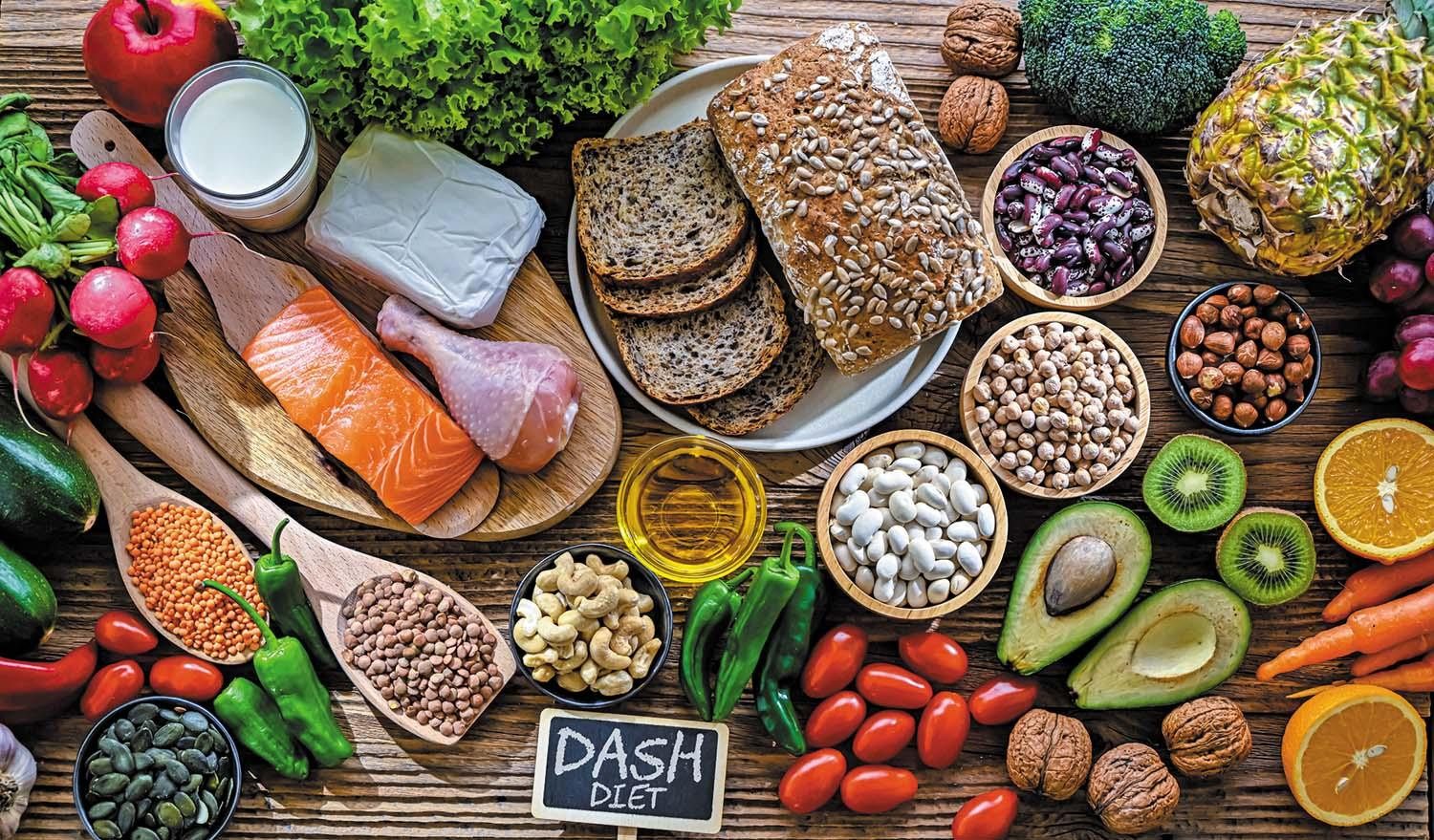
Modified DASH diet lowers blood pressure in people with diabetes
For people with diabetes, a modified version of the Dietary Approaches to Stop Hypertension (DASH) diet can lower their blood pressure. Called DASH4D, it has fewer carbohydrates, more unsaturated fat, and slightly reduced amounts of potassium.
Whole grains may improve several heart risk factors at once
Light exposure at night may raise risk for heart disease
Children of centenarians may stay healthier and live longer too, study finds
A lumbar belt may help ease low back pain
Signs of pneumonia: Sometimes vague and unexpected
Using a vibration plate: What it can — and can't — do for your body
The surprising link between ovarian cancer and the fallopian tubes
People who walk more or walk faster live longer, study finds
Rosacea treatments: What works?
For sleep apnea, a dental device may be as effective as CPAP
Free Healthbeat Signup
Get the latest in health news delivered to your inbox!
Sign Up
