

Whole grains may improve several heart risk factors at once

Light exposure at night may raise risk for heart disease

Children of centenarians may stay healthier and live longer too, study finds

A lumbar belt may help ease low back pain

Signs of pneumonia: Sometimes vague and unexpected

Using a vibration plate: What it can — and can't — do for your body

The surprising link between ovarian cancer and the fallopian tubes

People who walk more or walk faster live longer, study finds

Rosacea treatments: What works?

For sleep apnea, a dental device may be as effective as CPAP
Cholesterol and lipids Archive
Articles
People with Lp(a) gene variant may benefit from daily aspirin
An inexpensive blood test that checks for a genetic variant of Lp(a)-a fatty particle similar to LDL cholesterol-may help clarify who might benefit from a daily low-dose aspirin, according to a 2025 review of study findings.

High levels of ocean microplastics linked to heart-related risks
According to a 2025 study, people living near coastlines with high levels of marine microplastics had higher rates of heart disease than those living close to coastlines with less plastic pollution.
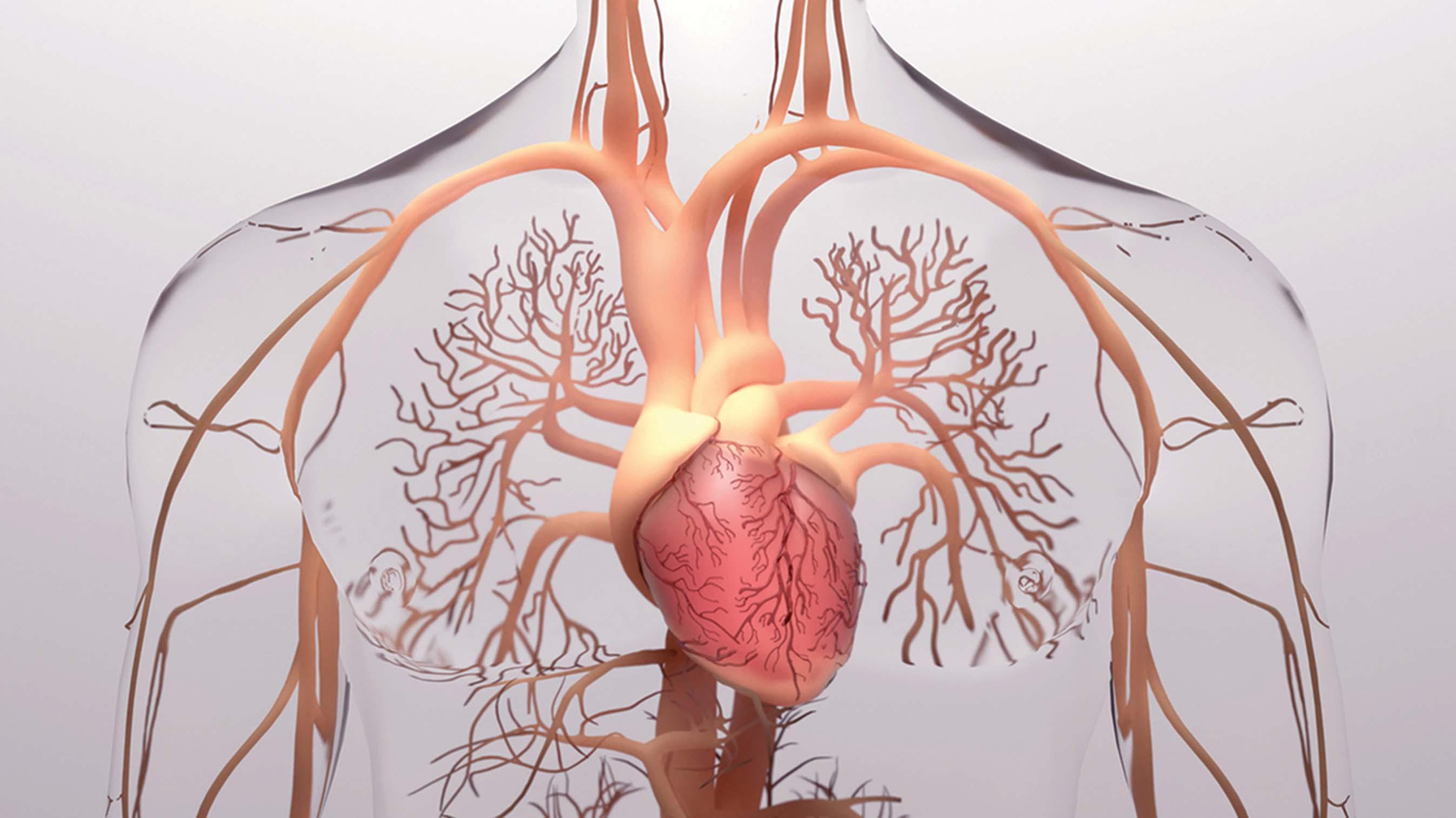
The changing nature of coronary artery disease
Growing numbers of people have microvascular disease, which is caused by problems in the network of tiny blood vessels in the heart rather than blockages in the heart's major arteries. Evidence for this trend comes from large studies using diagnostic imaging tests coupled with heart disease registry data. Experts believe today's higher rates of obesity, diabetes, high blood pressure, and chronic kidney disease is changing how cardiovascular disease is manifested.

Marijuana linked to doubled risk of cardiovascular death
In a 2025 analysis involving about 200 million people, those who used cannabis had a 29% higher risk for sudden heart attacks or angina and twice the risk of premature death from cardiovascular disease, compared with people who didn't use cannabis.
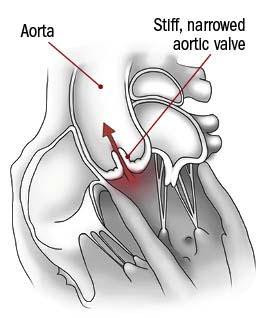
Can you slow down stenosis of the aortic valve?
There are no medications to treat aortic stenosis (narrowing of the aortic valve), but several possibilities are currently being studied, including a class of drugs to treat diabetes and others that lower high lipoprotein(a) blood levels.

A 5-step plan to eat more produce
Few people get the recommended two fruits and three vegetables per day. Tips for helping people add more produce into their diets include starting small (making just one minor addition or substitution at a time and sticking with it for several weeks); choosing smarter snacks (like hummus and carrots or apples and peanut butter); sneaking pureed vegetables into pasta and other dishes; making smoothies and soups; and relying on frozen fruits and vegetables.
The complex story of HDL cholesterol
Lowering high levels of low-density lipoprotein (LDL), or "bad" cholesterol, is important for preventing and treating heart disease. The other cholesterol-high-density lipoprotein (HDL)-is often called "good" cholesterol, but this may be misleading. While some HDL particles gather excess cholesterol from the bloodstream and artery walls and deliver it to the liver where it's excreted, other particles are not good at this job, and some can even increase levels. People should focus on their LDL and not focus as much on HDL unless it's very low or very high.

Brisk walking linked to a lower risk of abnormal heart rhythms
A 2025 study found that people who walk at an average or brisk pace (3 or more miles per hour) were less likely to develop abnormal heart rhythms than people who walk more slowly.
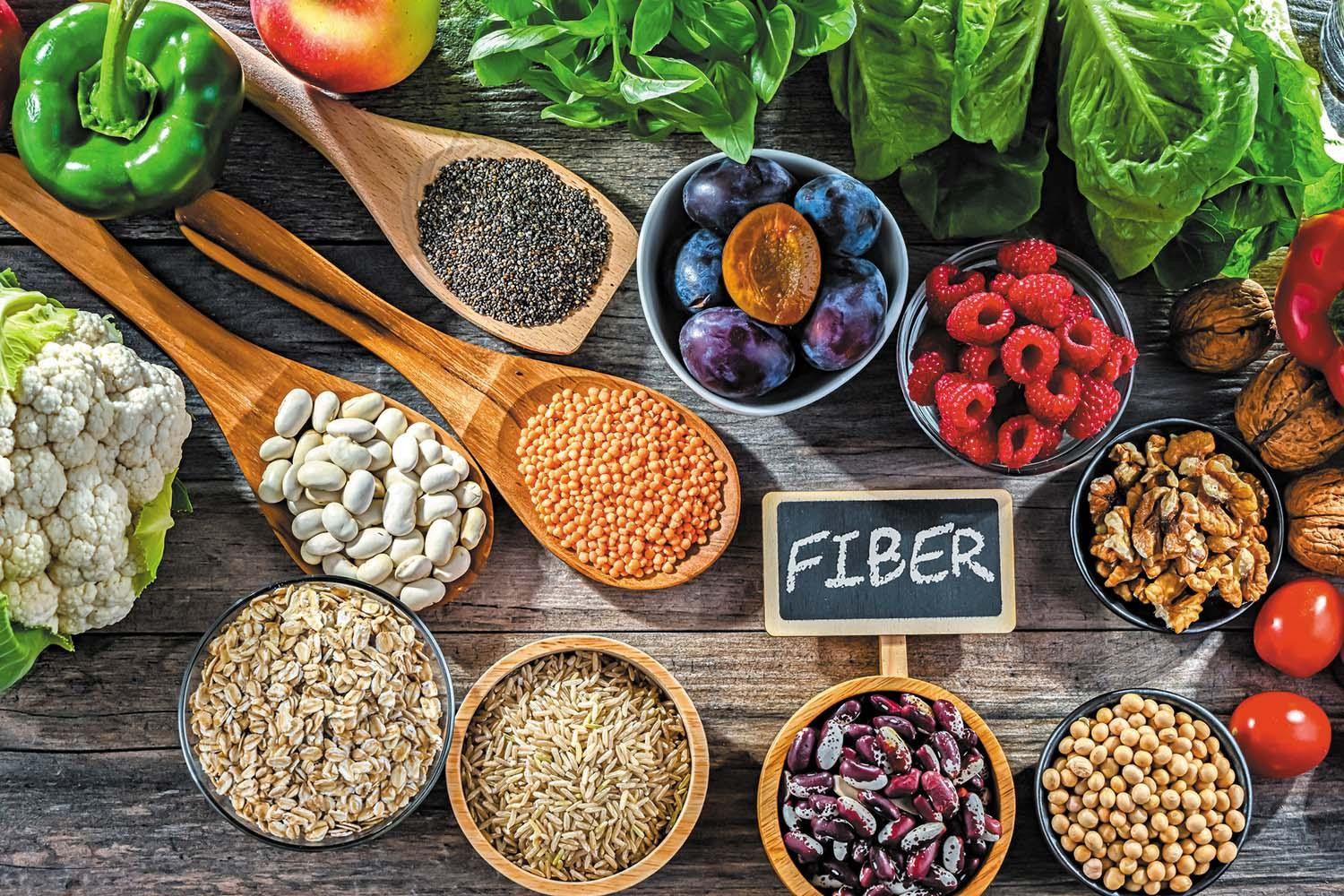
Fiber-rich diets may lower the risk of stroke
People whose average daily diets included at least 18 grams of fiber were less likely to have a stroke than those who ate less fiber, according a 2025 study.
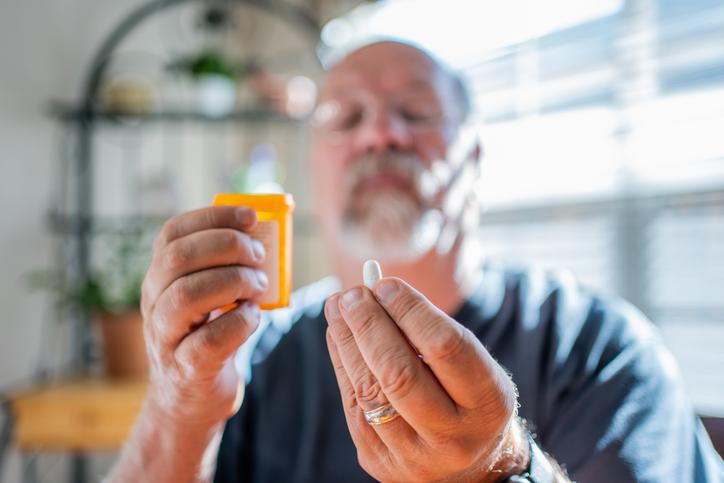
New drug shows promise for stubbornly high blood pressure
A 2025 suggests that an experimental drug called lorundrostat may be an effective add-on therapy for high blood pressure that has not responded to medication. The drug works by reducing aldosterone, a hormone that helps regulate blood pressure.
Whole grains may improve several heart risk factors at once
Light exposure at night may raise risk for heart disease
Children of centenarians may stay healthier and live longer too, study finds
A lumbar belt may help ease low back pain
Signs of pneumonia: Sometimes vague and unexpected
Using a vibration plate: What it can — and can't — do for your body
The surprising link between ovarian cancer and the fallopian tubes
People who walk more or walk faster live longer, study finds
Rosacea treatments: What works?
For sleep apnea, a dental device may be as effective as CPAP
Free Healthbeat Signup
Get the latest in health news delivered to your inbox!
Sign Up
