

Fatty liver disease: Should you be tested?

Even a little exercise linked with lower stroke risk in people with afib

Testosterone therapy without evidence of deficiency may boost heart risk

Weight-loss drug may lower risk of heart attacks and infections

Migraine: How it's diagnosed and what that means

Tricep workouts you can do at home

Mindfulness practices to reduce stress and improve focus

Antihistamines may not offer meaningful relief from eczema symptoms

Overweight and taking blood pressure medications: Study finds it's a trend that's working

FDA approves first mRNA-based flu vaccine
Caregiving Archive
Articles

Does your health monitor have device bias?
The accuracy of health monitoring devices available to consumers varies, and in some instances skin tone may make a difference –– a problem called device bias. Yet proper function of such devices can have significant implications for the health of those using them.

Busier equals better for physical activity levels
A 2022 study found that older adults who visited more places each day, such as when shopping or doing errands, logged higher step counts. The results suggest the number of places we visit daily may contribute to healthier habits, researchers said.
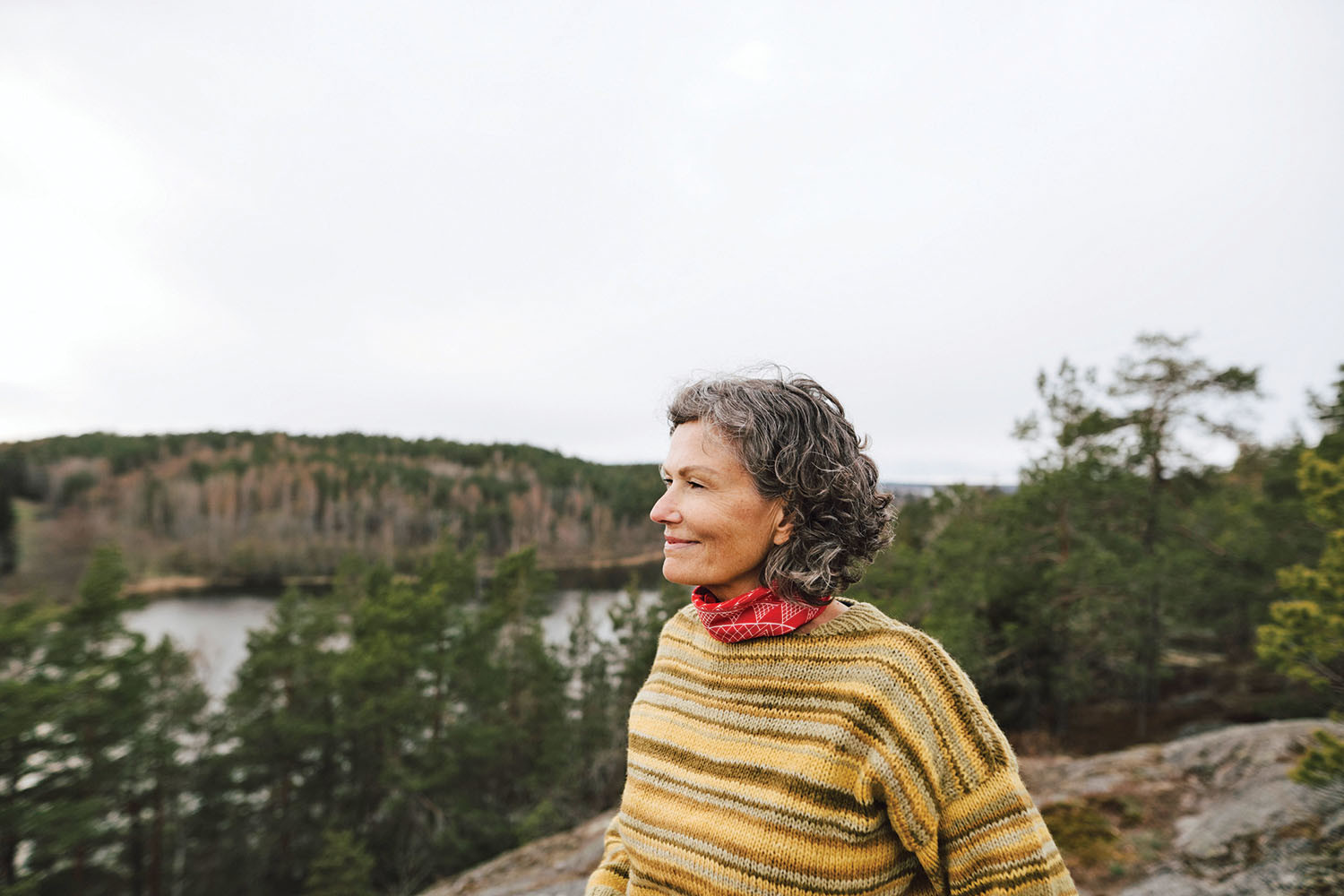
Beyond momentary calm
Mindfulness is the act of paying attention and focusing on the moment. Research has long shown mindfulness can help lower anxiety, but new studies suggest additional benefits. These include feeling less pain, making fewer mistakes, and being more resilient. Many people confuse meditation with mindfulness. Although there is some overlap, meditation is a practice that leads to being more mindful. Both meditation and mindfulness aim to help people stay present and nonjudgmental.

A life-changing detour
Each year, millions of couples face one partner's serious diagnosis with a condition such as cancer, heart or kidney failure, or neurological illness, among others. People can support their partners through a difficult diagnosis and treatment by keeping communication open, maintaining daily routines, becoming informed about the medical condition, attending doctor visits, adding assistive devices in their home, getting wills and other legal documents in order, and seeking and accepting help from others.

You don't say? A matter of taste
After age 50, the number of taste buds begins to decline, so it's natural for people to notice some changes in their sense of taste. But other conditions also can affect taste, such as nasal issues, certain medications, and conditions like dry mouth and acid reflux.
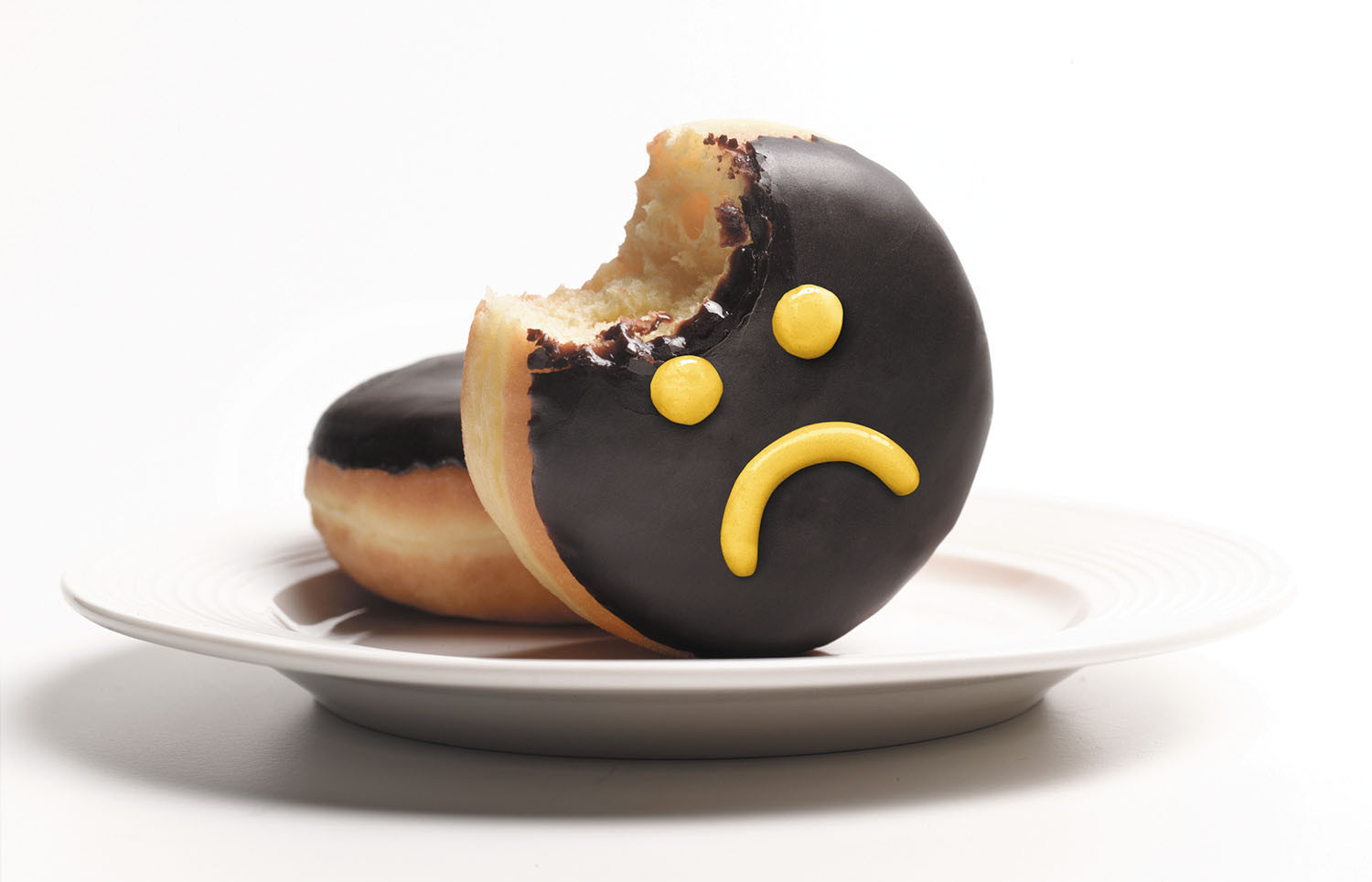
Cutting back on ultra-processed foods linked with lower dementia risk
People who ate large amounts of ultra-processed foods had a greater risk of later developing dementia compared with people who ate little of these foods, according to a 2022 study. Researchers estimated that switching out even 10% of ultra-processed foods for healthier options might lower one's risk.

Can taking enzyme supplements help soothe my bloating?
Digestive enzyme supplements are promoted to fix problems like bloating, gas, and bowel irregularity. However, for most people, there's little evidence that they help. Doctors may prescribe enzyme pills for people who can't make enough digestive enzymes because of a health condition.

Tracking blood pressure at home
Nearly half of U.S. adults have high blood pressure; however, only one-third of those who have the problem are aware of it. This is mostly because people only have blood pressure checked at doctor visits, so they don't know when it increases and requires medical attention. A simple solution is to take regular measurements with a home blood pressure monitor and keep track of their numbers to note changes.

Taking it slow
While an active life is a healthier one, there are times when people can benefit from embracing a slower pace, an approach commonly known as "slow living." Slow living isn't about doing less, but doing more with greater focus and purpose and at the right speed. The approach can help people lower stress, increase concentration and memory, and become more engaged in activities they enjoy.

Drinking black tea linked to longevity
A 2022 study found thatpeople who drank two or more cups of black tea per day had a 9% to 13% lower risk of premature death from any cause, compared with people who didn't drink black tea.
Fatty liver disease: Should you be tested?
Even a little exercise linked with lower stroke risk in people with afib
Testosterone therapy without evidence of deficiency may boost heart risk
Weight-loss drug may lower risk of heart attacks and infections
Migraine: How it's diagnosed and what that means
Tricep workouts you can do at home
Mindfulness practices to reduce stress and improve focus
Antihistamines may not offer meaningful relief from eczema symptoms
Overweight and taking blood pressure medications: Study finds it's a trend that's working
FDA approves first mRNA-based flu vaccine
Free Healthbeat Signup
Get the latest in health news delivered to your inbox!
Sign Up
