

CoQ10: Should you take this popular supplement if you're on a statin?

Microplastics: A hidden health threat?

Oat vs. dairy milk: Nutrition, benefits, and downsides

What is tempeh? Benefits, nutrition, and how to use it

Healing after food poisoning

Children of centenarians may stay healthier and live longer too, study finds

Light exposure at night may raise risk for heart disease

A lumbar belt may help ease low back pain

Whole grains may improve several heart risk factors at once

Signs of pneumonia: Sometimes vague and unexpected
Caregiving Archive
Articles

Meeting your exercise goals online
The COVID-19 pandemic shut down many gyms, spawning new online fitness class options that included Spin, Pilates, dance, and yoga. Maintaining an exercise routine during the pandemic offered multiple physical and mental health benefits by boosting mood-related brain chemicals and enhancing sleep. People exercising virtually could stay fit and maintain contact with others without risk of COVID infection. Even beyond pandemic-related concerns, virtual workouts can offer convenience, variety, privacy, and a sense of shared experience.

Natural ways to boost energy
As men age, many factors affect their energy levels, such as declining muscle mass, unhealthy diet, poor sleep, and increased stress. Addressing these areas are some of the best ways to increase energy levels. Exercise, healthy eating, good sleep, and stress reduction can increase mood-boosting hormones, help the body produce more adenosine triphosphate (the energy-carrying molecules found in cells), and balance blood sugar levels to prevent sudden fatigue, among other benefits.

Screening for cognitive dysfunction
Occasional forgetfulness and memory lapses are often dismissed as a sign of normal aging. But if these episodes become more frequent or problematic, or if they affect daily life, older adults should consult their primary care physician, A doctor can offer an evaluation for mild cognitive impairment. This includes a brief in-office screening test of thinking skills like short-term recall, concentration, attention, ability to juggle multiple tasks, and orientation to time and place.

Sleep added to list of essential healthy heart habits
The American Heart Association added sleep to its list of factors for cardiovascular health. The others are a healthy diet; physical activity; low levels of nicotine exposure; and healthy levels of weight, cholesterol, blood sugar, and blood pressure.

Weekend warrior exercise pattern
People who meet the recommended physical activity guidelines may experience the same health benefits regardless of whether they spread the exercise out over the week or do it all in one or two days.
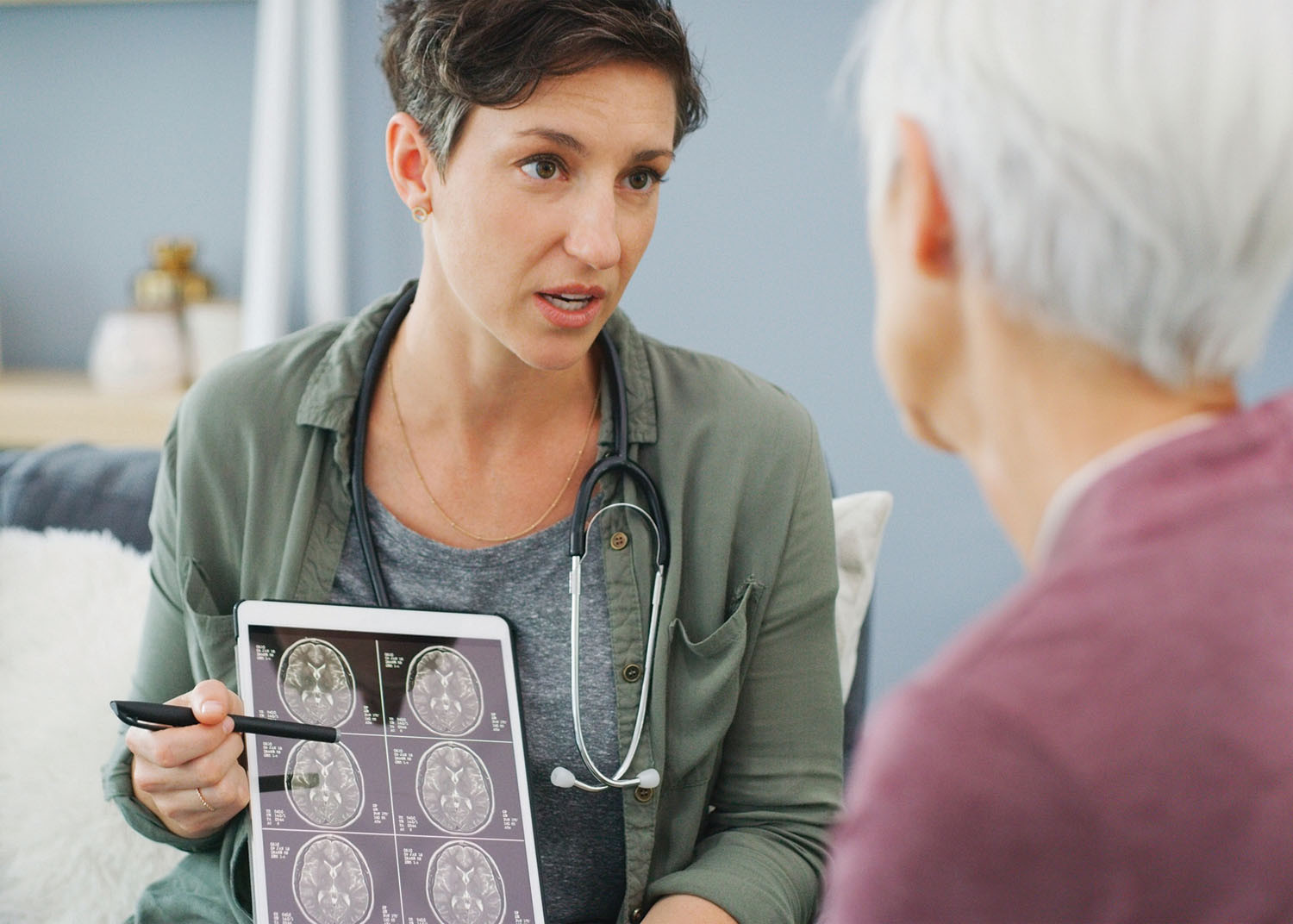
Hearts and minds
Vascular dementia, which arises from longstanding, cumulative damage to small blood vessels in the brain, may cause or contribute to up to half of cases of dementia. The vessels may thicken or become blocked by blood clots, causing tiny strokes that damage specific parts of the brain important for various thinking abilities. Keeping blood pressure in the recommended range of 120/80 or lower is the best way to prevent vascular dementia.

You don't say? Is there anything right about being left-handed?
Left-handers make up only 10% of the population. Despite some common beliefs, science has yet to show that left-handers have any specific advantages or disadvantages over right-handed people in terms of physical abilities, cognitive health, or longevity.

Want a longer, happier life? Consider using apps
Many apps support activities that promote emotional well-being. Happiness apps feature affirmations, meditations, or gratitude journals. Exercise apps track daily physical activity or provide workouts. Meditation apps guide users through various kinds of meditation, such as mindfulness or guided imagery. Sleep apps help people track how long they sleep, and offer instruction to improve sleep hygiene—such as going to sleep and waking up at the same time each day, and avoiding food and drinks at certain times.
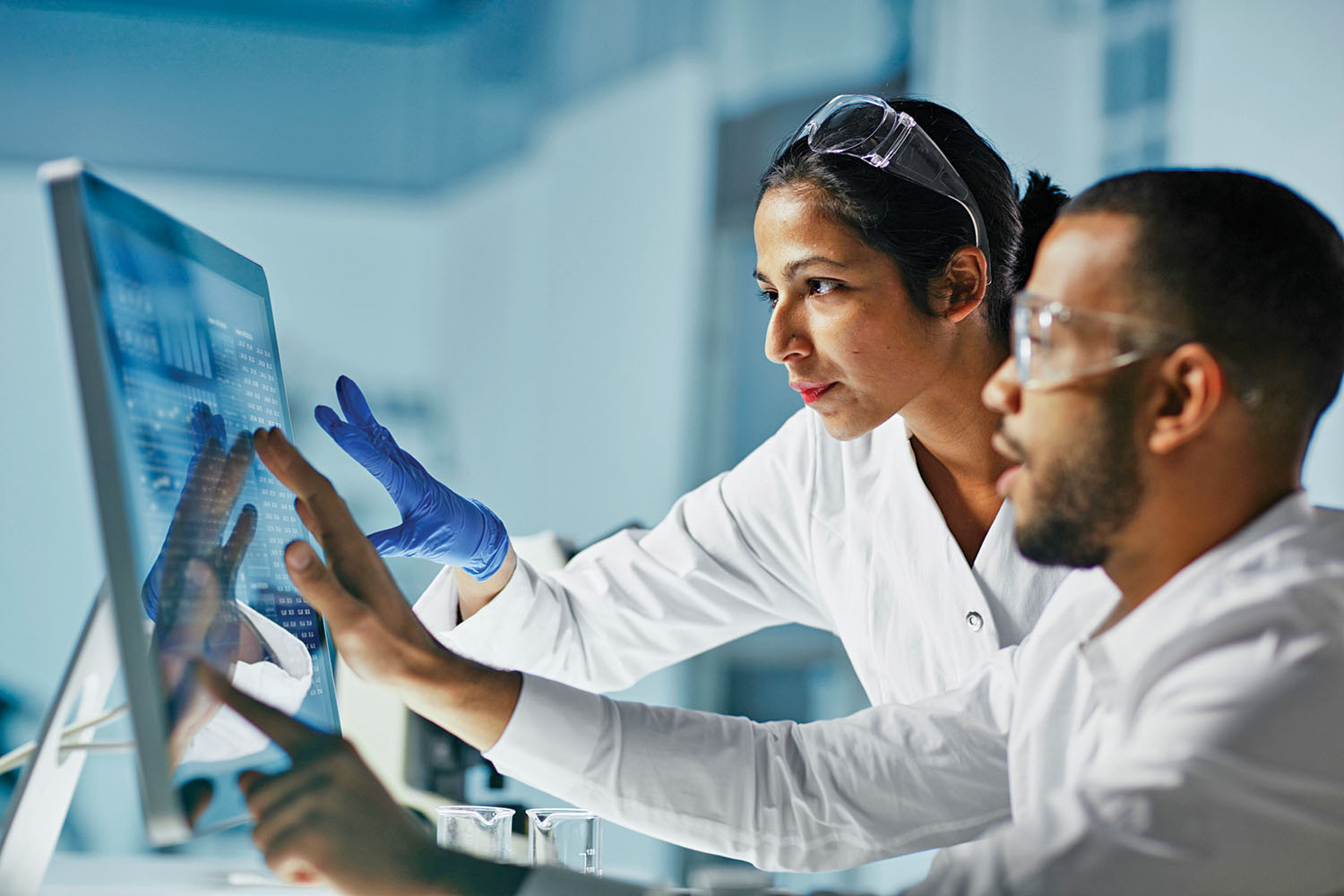
The rise of computational medicine
Harvard Medical School has created a large department dedicated to developing and teaching young scientists about the emerging field of computational medicine. This field uses new mathematical techniques to make sense of the thousands of numbers generated in experiments measuring various molecules. Analyzing such "big data" was once unimaginable. Now, scientists have the tools to do it, and to compare tissue of people with and without a disease to find out which molecules are different.

Why is it so challenging to find a primary care physician?
An adequate supply of primary care physicians is essential for our health care system to function properly, but it's becoming more and more difficult to find one. Rates of burnout are high among PCPs, and many are considering cutting back their work hours or leaving altogether.
CoQ10: Should you take this popular supplement if you're on a statin?
Microplastics: A hidden health threat?
Oat vs. dairy milk: Nutrition, benefits, and downsides
What is tempeh? Benefits, nutrition, and how to use it
Healing after food poisoning
Children of centenarians may stay healthier and live longer too, study finds
Light exposure at night may raise risk for heart disease
A lumbar belt may help ease low back pain
Whole grains may improve several heart risk factors at once
Signs of pneumonia: Sometimes vague and unexpected
Free Healthbeat Signup
Get the latest in health news delivered to your inbox!
Sign Up
