

Fatty liver disease: Should you be tested?

Even a little exercise linked with lower stroke risk in people with afib

Testosterone therapy without evidence of deficiency may boost heart risk

Weight-loss drug may lower risk of heart attacks and infections

Migraine: How it's diagnosed and what that means

Tricep workouts you can do at home

Mindfulness practices to reduce stress and improve focus

Antihistamines may not offer meaningful relief from eczema symptoms

Overweight and taking blood pressure medications: Study finds it's a trend that's working

FDA approves first mRNA-based flu vaccine
Caregiving Archive
Articles

Engage your heart and brain, even when you're sitting
Sitting too much is bad for health. But there are ways to make time spent seated a little healthier. For example, people can keep their brains active by reading, writing, doing a hobby (such as knitting), or playing an instrument. And people can exercise while in a seated position. It's possible to do an aerobic workout that gets the heart and lungs pumping, such as a seated dance routine or calisthenics, as well as muscle-strengthening activities or stretching exercises.
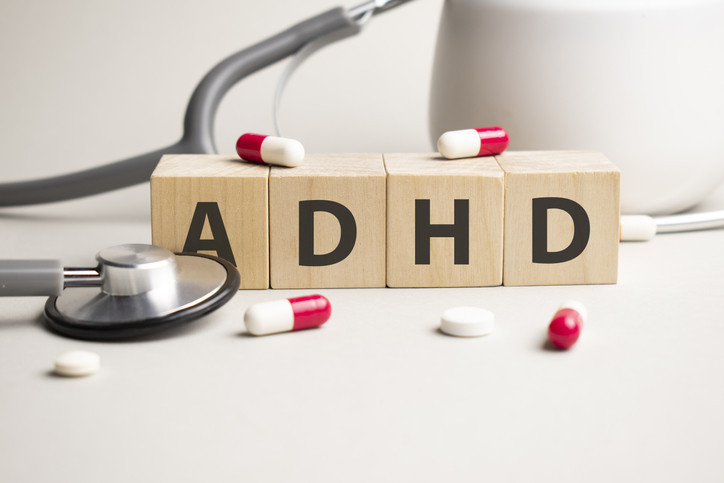
Attention deficit disorder linked to higher heart disease risk
People with attention-deficit hyperactivity disorder, a condition marked by trouble focusing and impulsive behavior, may be more likely to have cardiovascular disease that people without the disorder.

What is an annual wellness visit?
The routine yearly medical check-up is now more often referred to as the annual wellness visit, which allows people to formulate detailed health goals with their doctor and design plans to meet them, as well as assess the possibility of life-changing events, like heart attack, stroke, and cancer.

Kidney health quick-start guide
Unhealthy lifestyle habits, chronic diseases, and genetic conditions can damage the kidneys and reduce their ability to do their many jobs. But many precautions can help protect the kidneys. Examples include controlling diabetes; lowering high blood pressure; moderating intake of salt, alcohol, and protein; limiting intake of oxalate-rich foods such as spinach, almonds, or cashews; losing weight; stopping smoking; exercising regularly; staying hydrated; limiting the use of nonsteroidal anti-inflammatory drugs (NSAIDs); and getting annual kidney function tests.

What's the future of remote patient monitoring?
The miniaturization of electronics is leading to the development of next-generation devices to monitor health. People today are using various devices (typically smart watches) to measure their heart rate, the regularity of their heart rhythm, the quality of their sleep, their body temperature, and the levels of oxygen and sugar in their blood. And scientists are working on other devices—such as a thin strip of material that is pasted onto the skin—to constantly measure blood pressure, organ function, or certain body chemicals.

Cold-weather cautions
Wintertime can pose challenges to cardiovascular health. Cold temperatures can cause arteries to narrow, which can leave people with heart disease vulnerable to angina or heart attacks, especially during physical exertion. Changes in sleep, eating, and exercise habits related to the season may also affect the heart. Crowded indoor gatherings also raise a person's risk for respiratory infections, which can exacerbate heart disease.

The heartfelt benefits of pet ownership
Having a dog or another pet appears to lower the risk of high blood pressure and improve blood pressure control. Pet ownership may foster positive feelings (such as decreased stress) and habits (such as daily walks) that may improve heart health. People who own dogs walk about 20 minutes more per day on average than those without dogs. Pets can help combat loneliness and social isolation, which have been linked to a higher risk of heart attack, stroke, or death from these causes.

Want to stay healthy over the holidays?
Another holiday season is here, and this year we need to contend with other viruses besides COVID-19. Three Harvard experts share their thoughts on the best ways to keep ourselves and our family members healthy as we celebrate holidays together.

When replenishing fluids, does milk beat water?
An ad campaign sponsored by the milk industry claims that milk is better than water for hydration. A few studies appear to support the claim, but they involved a small number of subjects and have important limitations.

Respiratory health harms often follow flooding: Taking these steps can help
Flooding due to major storms or heavy rains can harm lung health, both from toxic contaminants that end up in the air and from the growth of mold caused by dampness. Taking steps to prevent flooding when possible and moving quickly to reduce health risks if flooding occurs can help protect your family's health.
Fatty liver disease: Should you be tested?
Even a little exercise linked with lower stroke risk in people with afib
Testosterone therapy without evidence of deficiency may boost heart risk
Weight-loss drug may lower risk of heart attacks and infections
Migraine: How it's diagnosed and what that means
Tricep workouts you can do at home
Mindfulness practices to reduce stress and improve focus
Antihistamines may not offer meaningful relief from eczema symptoms
Overweight and taking blood pressure medications: Study finds it's a trend that's working
FDA approves first mRNA-based flu vaccine
Free Healthbeat Signup
Get the latest in health news delivered to your inbox!
Sign Up
