

Fatty liver disease: Should you be tested?

Even a little exercise linked with lower stroke risk in people with afib

Testosterone therapy without evidence of deficiency may boost heart risk

Weight-loss drug may lower risk of heart attacks and infections

Migraine: How it's diagnosed and what that means

Tricep workouts you can do at home

Mindfulness practices to reduce stress and improve focus

Antihistamines may not offer meaningful relief from eczema symptoms

Overweight and taking blood pressure medications: Study finds it's a trend that's working

FDA approves first mRNA-based flu vaccine
Caregiving Archive
Articles


6 keys to finding a high-quality addiction treatment center

Harvard researchers say healthy habits may add years to your life
News briefs
Image: © filadendron/Getty Images
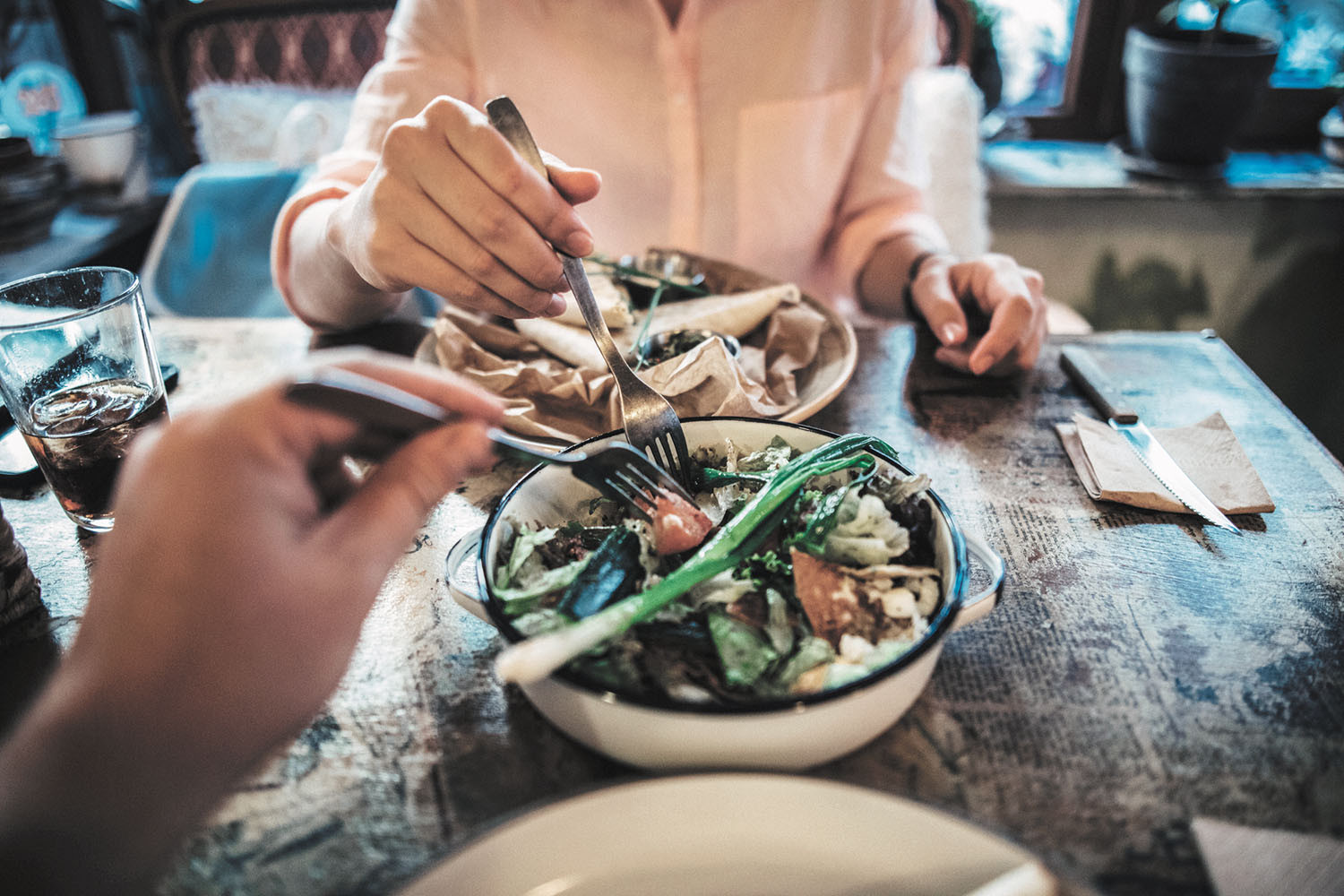
What's the secret to living longer? A Harvard study published online April 30, 2018, by Circulation suggests that it may come down to five healthy habits: eating a healthy diet, exercising daily, keeping a healthy body weight, drinking alcohol only in moderation, and not smoking. Researchers combed through information from two large studies that tracked more than 123,000 men and women for about three decades. Scientists estimated that life expectancy for study participants (at age 50) was 79 for women and 75 for men, if they didn't maintain healthy habits. But if they adopted all five habits, life expectancy at age 50 jumped to 93 for women and 87 for men. And following even one healthy habit was associated with a lower risk for dying young. The study is only observational and doesn't prove that healthy habits extend your life. But the findings build on similar research. "It's never too late to make positive lifestyle changes. Even for those who are 70 or older, following a healthy lifestyle such as eating a healthy diet and being physically active can add more years to life," says Dr. Frank Hu, senior author of the study and chair of the Department of Nutrition at the Harvard T.H. Chan School of Public Health.

Challenge your mind, no matter what your age
News briefs
Image: © Stockbyte/Getty Images
An observational study published online May 30, 2018, by JAMA Psychiatry found that engaging in intellectually stimulating activities, even later in life, may lower the odds of dementia. Researchers followed over 15,000 Chinese men and women in their 70s for seven years with annual assessments of health and lifestyle habits, including a variety of leisure activities. The odds of being diagnosed with dementia during the study period were 29% lower in people who challenged their brains daily with such activities as playing board games, reading, and even betting on horse racing. In contrast, less mentally demanding recreational activities (like watching TV or shopping) or social activities (like going to tea with friends) did not appear to be associated with a lower risk of dementia. Other studies have found similar evidence, but this one made a special effort to adjust for factors like better overall health that might otherwise account for the association between brain exercise and dementia.
Does loneliness play a role in cardiovascular problems?
Staying connected to friends, neighbors, and your community may protect your heart.
Image: © StockPlanets/Getty Images
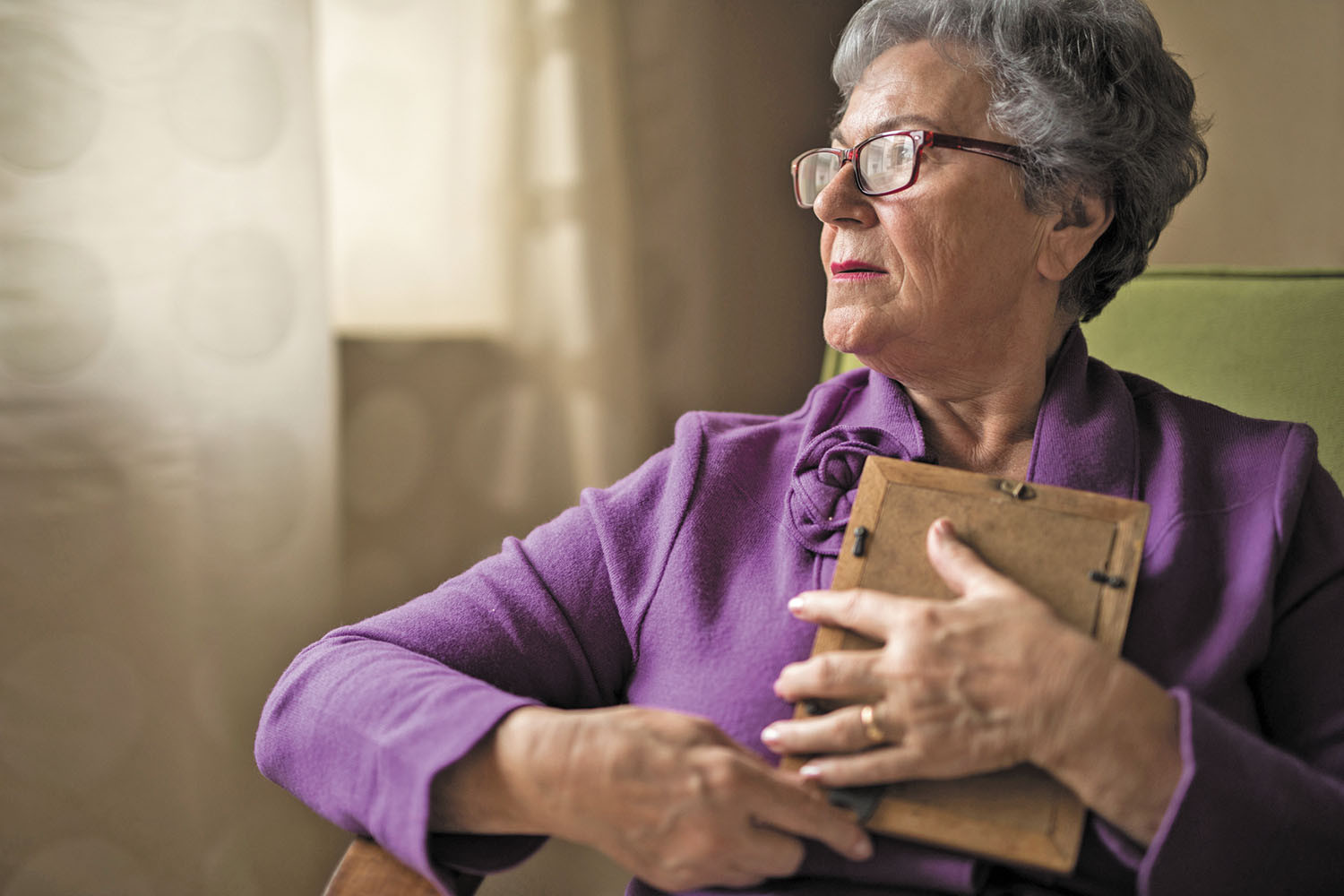
The lonely hearts club may be larger than you realize. About a third of older adults say they frequently feel lonely, according to findings from the National Social Life, Health, and Aging Project. And only about half of Americans have meaningful in-person social interactions on a daily basis, such as having an extended conversation with a friend or spending time with family members, suggests a recent survey by the global health service company Cigna.
People whose main social contacts were at their place of work often feel that loss acutely after they retire. Many older adults are also at risk for isolation and loneliness because they're divorced or have lost a partner. But a lack of caring companionship (including from family, friends, or a romantic partner) may make you more vulnerable to a number of health woes. In fact, several studies suggest that isolated and lonely people face a slightly higher risk of heart attack or stroke than people with stronger social networks.

Getting your five a day
Eating five servings of fruits and vegetables can go a long way to protecting against heart disease and cancer.
Image: © Mypurgatoryyears/Getty Images
We've been told the importance of eating fruits and vegetables ever since childhood, and yet we still tend to ignore this nutritional advice. In fact, a CDC survey found that only 18% of adults eat the recommended five daily servings of fruits and vegetables.
"The main reason older men have trouble reaching this amount is lack of awareness," says Vasanti Malik, a research scientist in the Department of Nutrition of Harvard's T.H. Chan School of Public Health. "They are not always engaged in their nutrition or aware of the impact fruits and vegetables can have on their health."

Do I ever need a stress test?
On call
Q. I am 65 years old and in good health, and I see my doctor once a year for an annual exam. Should I request a stress test at my next physical?
A. Although heart disease is common in men, routine cardiac stress testing is not recommended for otherwise healthy men. It may seem counterintuitive not to look for heart disease in healthy men, especially when many people know someone who unexpectedly had a heart attack or even died suddenly from a heart problem. Yet, stress testing does not accurately identify men at risk for sudden cardiac death.

What kind of sun protection is best for babies, pregnant women, and breastfeeding women?
Ask the doctors
Q. Should pregnant or breastfeeding women and their children use sunscreen?
A. The American Academy of Dermatology recommends that people avoid applying sunscreen to the skin of babies younger than 6 months of age, and instead shield them from the sun, keeping them in the shade as much as possible. It's also a good idea to protect them from the sun using clothing, hats, and sunglasses.

Prevent injuries by avoiding some common culprits
Simple everyday objects can result in cuts, bruises, and broken bones.
Image: © fotokostic/Getty Images
Everyday objects from pet supplies to kitchen appliances may seem innocuous, but they can cause injuries, including bone breaks, cuts, and burns. Doctors who treat these injuries often see some common themes. We asked Dr. Tamara Rozental, an associate professor of orthopedic surgery at Harvard Medical School, about what injuries she frequently sees from common items — and ways to stay safe.
Dog leashes
"I see many injuries from dog leashes. People often get tangled and pulled over," Dr. Rozental says. In other instances, fingers get bent, broken, or crushed when people get their hand stuck in the leash and the dog pulls.
Fatty liver disease: Should you be tested?
Even a little exercise linked with lower stroke risk in people with afib
Testosterone therapy without evidence of deficiency may boost heart risk
Weight-loss drug may lower risk of heart attacks and infections
Migraine: How it's diagnosed and what that means
Tricep workouts you can do at home
Mindfulness practices to reduce stress and improve focus
Antihistamines may not offer meaningful relief from eczema symptoms
Overweight and taking blood pressure medications: Study finds it's a trend that's working
FDA approves first mRNA-based flu vaccine
Free Healthbeat Signup
Get the latest in health news delivered to your inbox!
Sign Up
