

Fatty liver disease: Should you be tested?

Even a little exercise linked with lower stroke risk in people with afib

Testosterone therapy without evidence of deficiency may boost heart risk

Weight-loss drug may lower risk of heart attacks and infections

Migraine: How it's diagnosed and what that means

Tricep workouts you can do at home

Mindfulness practices to reduce stress and improve focus

Antihistamines may not offer meaningful relief from eczema symptoms

Overweight and taking blood pressure medications: Study finds it's a trend that's working

FDA approves first mRNA-based flu vaccine
Caregiving Archive
Articles

Refueling your energy levels
Lost your spark and gusto? These strategies can help you recharge.
Everyone has the occasional low-energy day when you are easily fatigued. Often the feeling passes, and you bounce back to your regular robust self. But if you struggle with a constant lack of energy, you may have a problem deep within your cells.
Mitochondria are the power source inside all your body's cells. These tiny structures fuel the body by producing molecules called adenosine triphosphate or ATP. However, as you grow older, your body has fewer mitochondria.
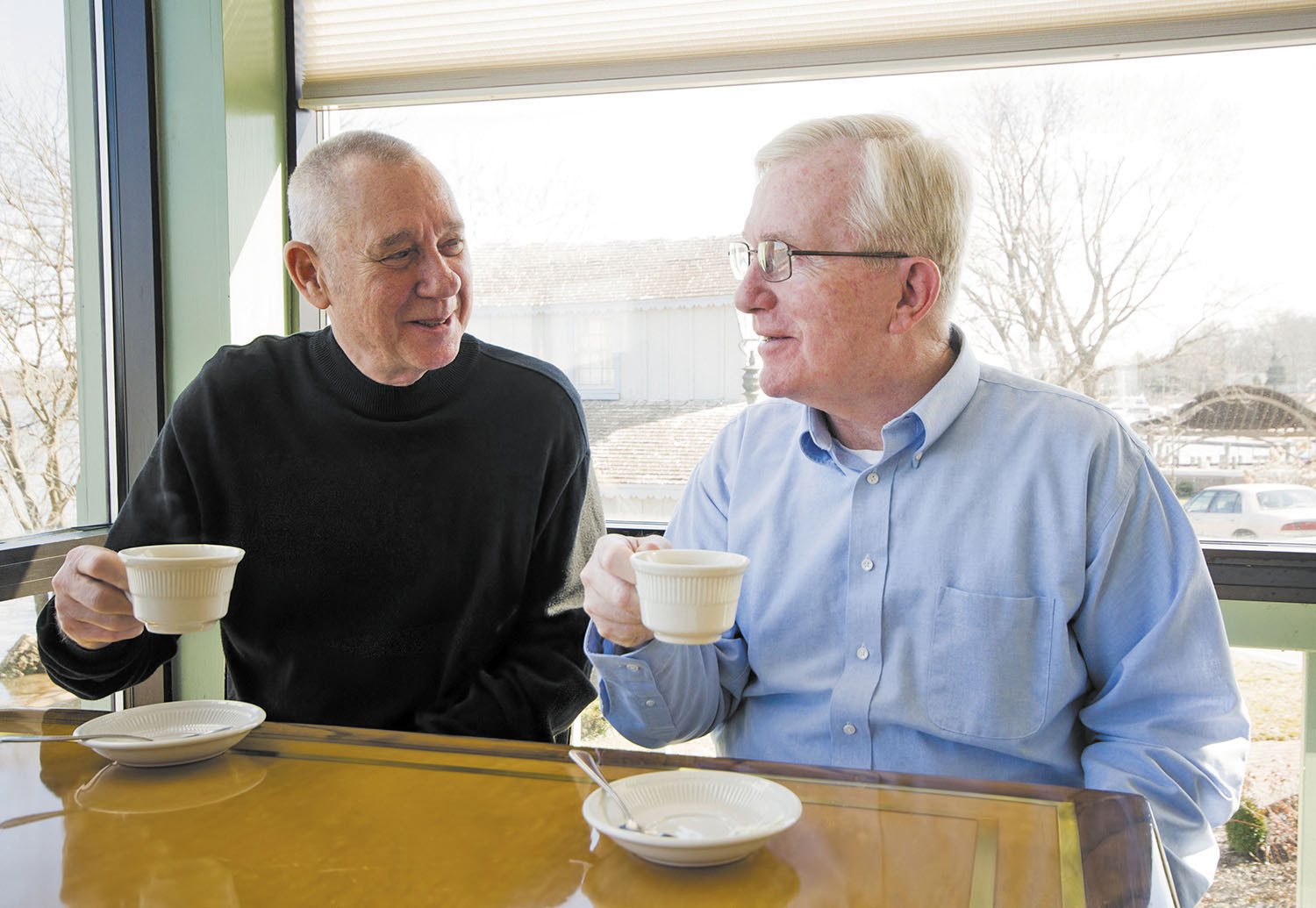
An introvert’s guide to healthy social engagement
Being more social is linked with greater health benefits, but what if you're not comfortable in the company of others?
Image: © Robert Kirk/Getty Images
Research continues to stress the relationship between social connection and long-term health. Interacting regularly with other people appears to lower your risk for heart disease, depression, and early death.
But what if being social is not who you are? People who are introverts — that is, they prefer time alone over group outings — are often at a disadvantage when it comes to social engagement.

Rating heart monitors
Here is why you should invest in this fitness technology.
Image: © Nastasic/Getty Images
There is a lot of technology that tracks your health, from counting steps to counting burned calories. One of the most valuable fitness tools though is a heart rate monitor, which tells you how many beats your heart takes per minute.
"Whether you're just getting started with an exercise routine or are a committed fitness enthusiast, tracking your heart rate can help you maintain the necessary moderate level of intensity for optimal benefits without worrying about doing too much or too little," says Dr. Aaron L. Baggish, associate director of the Cardiovascular Performance Program at Harvard-affiliated Massachusetts General Hospital.

Poor vision affects driving skills and brain function
In the journals
Image: © Martin Barraud/Getty Images
More reasons to take good care of your eyes: it may protect against cognitive decline and keep you safe behind the wheel, according to two studies published online June 28, 2018, by JAMA Ophthalmology.
In the first study, researchers looked at almost 560,000 adults ages 65 and older and found they had 9% fewer serious car crashes in the year following cataract surgery. Besides causing blurry vision, cataracts can intensify the glare from headlights and sunlight, which can make driving dangerous, according to the researchers.

Feeling young could signal a younger brain
In the journals
People who feel younger than their actual age also may have brains that age more slowly, suggests a small study published online June 7, 2018, by Frontiers in Aging Neuroscience.
Scientists took brain scans of 68 healthy older adults, ages 59 to 84, to measure the volume of gray matter in various regions. The participants then answered surveys to determine if they felt older or younger than their age and to measure their cognitive abilities and perceptions of overall health.

Depression and illness: Chicken or egg?
| Image: iStock |
When depression strikes, doctors usually probe what's going on in the mind and brain first. But it's also important to check what's going on in the body, since certain medical problems are linked to mood disturbances. In fact, medical illnesses — and medication side effects — may be behind nearly 10% to 15% of all cases of depression.
It's not uncommon for a physical illness to trigger depression. Up to half of heart attack survivors and those with cancer report feeling blue, and many are diagnosed with depression. Many people who have diabetes, Parkinson's, or other chronic conditions become depressed.
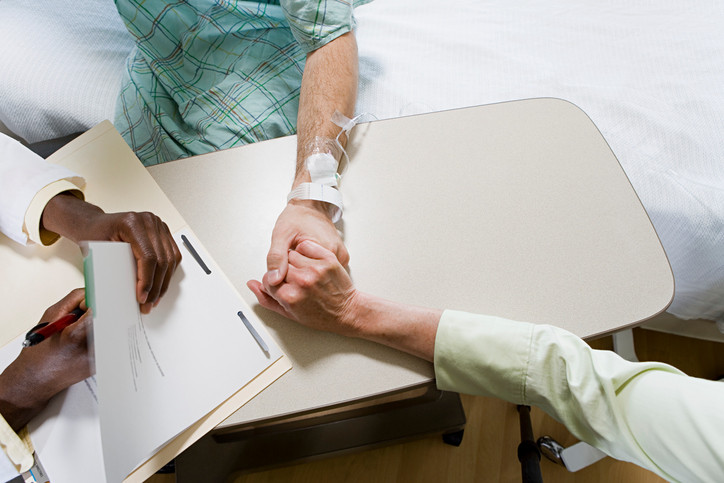
Leaving time for last words
When a person needs to be intubated to help them breathe, they are unable to speak, and if something happens it’s possible for someone to die without a chance to have a final conversation with their loved ones. But it’s possible for doctors to adjust intubation protocol to allow for such a conversation.

School refusal: When a child won’t go to school
The adjustment from summer vacation back to the structure and demands of the school year affects many students, but some experience so much anxiety that they avoid going to school. Understanding the reasons for school refusal can help parents identify problems and act quickly.

Writing as an antidote to loneliness
Because social connections are vital to human development and health, and writing is a way to form or strengthen a sense of connection to others, the creative expression of writing has been found to improve health and boost healthy emotions.

Fatty liver disease: Should you be tested?
Even a little exercise linked with lower stroke risk in people with afib
Testosterone therapy without evidence of deficiency may boost heart risk
Weight-loss drug may lower risk of heart attacks and infections
Migraine: How it's diagnosed and what that means
Tricep workouts you can do at home
Mindfulness practices to reduce stress and improve focus
Antihistamines may not offer meaningful relief from eczema symptoms
Overweight and taking blood pressure medications: Study finds it's a trend that's working
FDA approves first mRNA-based flu vaccine
Free Healthbeat Signup
Get the latest in health news delivered to your inbox!
Sign Up
