

Fatty liver disease: Should you be tested?

Even a little exercise linked with lower stroke risk in people with afib

Testosterone therapy without evidence of deficiency may boost heart risk

Weight-loss drug may lower risk of heart attacks and infections

Migraine: How it's diagnosed and what that means

Tricep workouts you can do at home

Mindfulness practices to reduce stress and improve focus

Antihistamines may not offer meaningful relief from eczema symptoms

Overweight and taking blood pressure medications: Study finds it's a trend that's working

FDA approves first mRNA-based flu vaccine
Caregiving Archive
Articles

From street drug to depression therapy
Ketamine offers a new option for people with stubborn depression that doesn't respond to other medications.
Image: © AleksandarNakic/Getty Images
Many people know of ketamine as a hallucinogenic and addictive street drug, which, when abused, can put people in medical peril. But today, doctors are increasingly looking to ketamine as a potentially lifesaving treatment for people with severe, treatment-resistant depression, who may be at high risk for suicide.
"Ketamine has been shown to be effective in people who have not responded to antidepressant treatment," says Dr. Cristina Cusin, an assistant professor of psychiatry at Harvard Medical School. The fast-acting treatment has shown promise — sometimes improving depressive symptoms within hours of the first intravenous treatment.

Are eating disorders just a teen problem?
Ask the doctors
Q. My sister, who is in her 50s, has always been very weight-conscious, but she recently went through a divorce and now seems unnaturally fixated on her weight and dieting. She's lost a substantial amount of weight. I've always thought of eating disorders as something that affects teenagers, but is it possible that she has one?
A. It is possible that your sister is suffering from an eating disorder, because they can affect people of any age, including older women, according to the American Psychiatric Association. They may be prompted by stress or a life change, such as a divorce. Signs that may indicate that a person has an eating disorder are
Can a gluten-free diet help my skin?
Ask the doctors
Image: © fcafotodigital/Getty Images
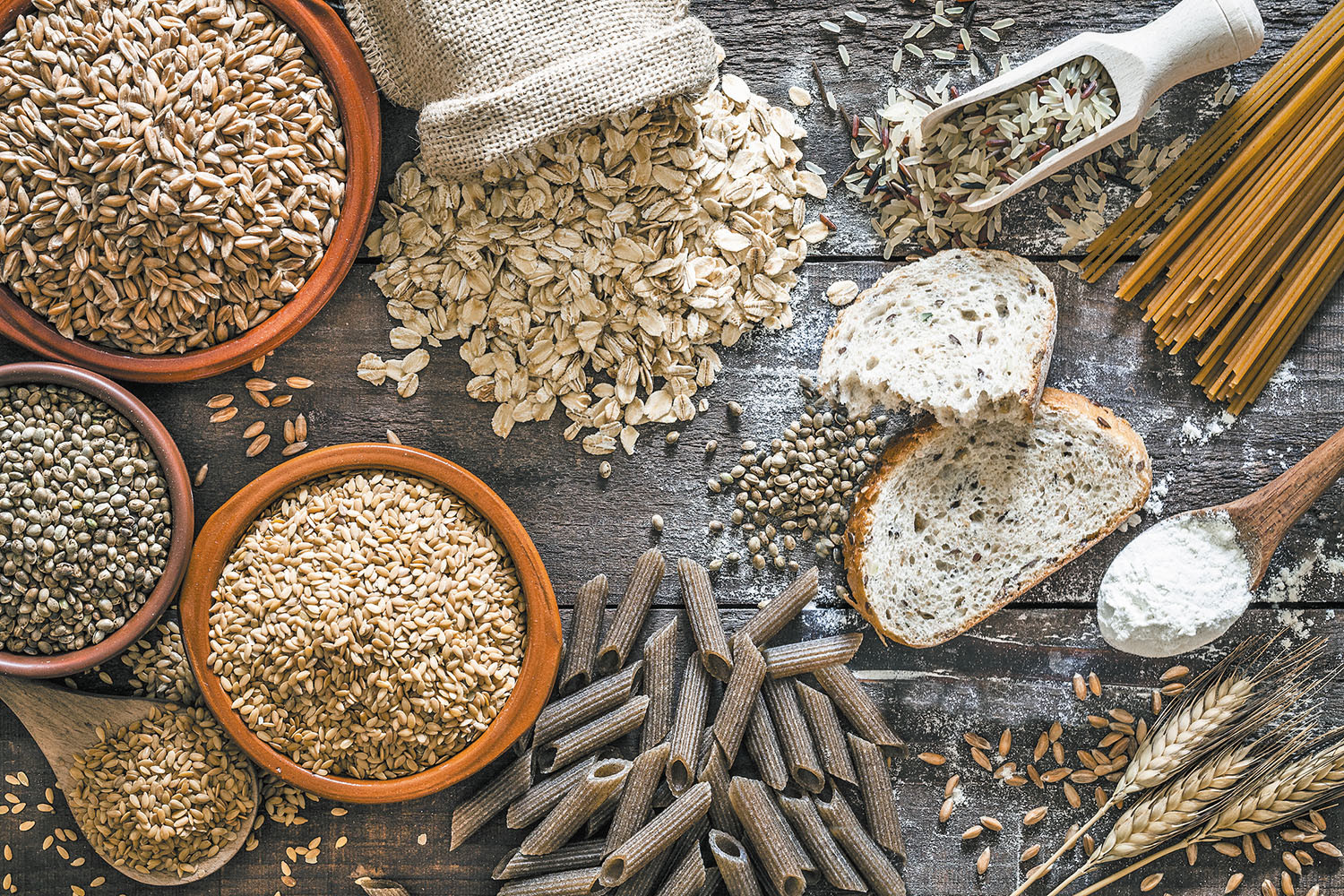
Q. I have terrible skin, and a friend recently recommended that I eliminate gluten from my diet to help manage my condition. Will this work?
A. Not necessarily. Gluten has gotten a lot of attention in recent years. Some people believe that eating gluten can inflame the skin and, therefore, cutting it out will help relieve red, inflamed skin or other skin conditions, such as psoriasis or eczema.

Don’t let winter put a chill on your vegetable intake
It may take a little more effort, but some simple strategies can help you meet your recommended intake of veggies in the colder months.
Image: © stargatechris/Getty Images
In the summer, vegetables are plentiful. The supermarket shelves — and maybe even your own garden — are overflowing with zucchini and squash, tomatoes and asparagus. But as we head into the colder winter months, the offerings may be a little less inspiring.
"With summer vegetables becoming more expensive in the winter, people's eating variety may shrink," says Teresa Fung, adjunct professor in the Department of Nutrition at the Harvard T.H. Chan School of Public Health. "And when variety shrinks, often quantity shrinks as well."
Both high-carb and low-carb diets may be harmful to health
Research we're watching
Image: © AndreyPopov/Getty Images
The best dietary strategy when it comes to carbohydrate intake could be neither high-carb nor low-carb, but rather moderation. A study published online August 16 by The Lancet Public Health found that both high- and low-carbohydrate diets were associated with earlier death. But people who got about half to 55% of their calories from carbohydrates — which is considered a moderate amount — lived longer.
The research involved more than 15,000 adults ages 45 to 65 who were involved in the Atherosclerosis Risk in Communities study. Participants filled out a dietary questionnaire when they enrolled in the study, which began in 1987. Researchers then looked for links between what participants ate and their death from any cause over a median follow-up period of 25 years.

Straight talk on 9 popular foot products
For some body parts, the drugstore has little to offer. Not so for the feet. You'll almost always find several shelves of products for the pedal extremities. We asked Dr. James P. Ioli, assistant professor of orthopedic surgery at Harvard Medical School and faculty editor of the Harvard report Healthy Feet, to accompany us on a trip to a drugstore near our offices. Here is a list of some of the foot products we saw there, along with Dr. Ioli's comments.
- Arch bandage. Might make the arch feel better and more supported, but it isn't going to change the structure of the arch or fix serious problems. As the package says, people with diabetes or poor circulation should avoid these because they could reduce blood flow through the foot.
- Callus and corn cushions. Simple and effective. The donut shape keeps pressure off calluses (which usually form on the bottom of the feet) and corns (which form on the top, often on toes). Change them often; otherwise the skin underneath will start to break down. Well-fitting shoes often reduce the skin irritation that causes calluses and corns in the first place.
- Callus and corn removers. Stay away from them. The active ingredient, salicylic acid, can harm the healthy skin around the corn or callus.
- Detoxifying foot pads. They claim to absorb impurities from the body and aid "natural cleansing." In a word — bunk! The Federal Trade Commission filed a complaint against the makers of Kinoki foot pads in 2009. The best way to naturally cleanse your feet is by washing them with a little soap and water.
- Foot files. Okay, but use with care. People scrape and scrape and start to bleed. Old-fashioned pumice stone is a more gentle way of removing dead skin from the heels and balls of the feet.
- Foot powders. Better than many sprays. Foot powders can help with sweaty and smelly feet. Some brands contain menthol, which creates a pleasant sensation and smell (if you like menthol). Others have an antifungal medication.
- Moleskin. These products are cotton flannel with an adhesive backing, not actual moleskin. Good for reducing friction points in shoes caused by bunions, calluses, or corns. If you're using a lot of moleskin, though, it's time to consider switching to more flexible, better-fitting shoes.
- Orthotics. Nonprescription orthotics are worth a try before considering the prescription ones, which cost a lot ($300–$500) and usually aren't covered by insurance. The flat, foam, and gel orthotics cushion the foot nicely — not a bad thing. But if you overpronate or have arch problems, buy a pair with arch support. There's some limited evidence that orthotics can also help with bad knees and backs, but don't buy them expecting those problems to go away.
- Toe exercisers. Billed as yoga for the toes. If these make you feel better — sure, why not. But don't expect the minor miracles (restoration of foot health, increased circulation, relief of stress and tension in feet and legs) promised on the package and in late-night TV ads. Investing what you'd spend on toe exercisers on new shoes might be a better use of your money.
Keeping bones strong
Ounce for ounce, bone bears as much weight as reinforced concrete. However, unlike reinforced concrete, bone is a living tissue. It serves as a repository of minerals for the rest of the body to use, continuously lending them out and replacing them. Bone also gets stronger when "stressed" by physical activity, and can repair itself when injured.
The building and tearing down of bone tissue is called remodeling. This process happens continuously throughout your entire life. At first, your body rebuilds more bone than it demolishes. Typically, a person reaches peak bone mass around the age of 30. Among women, bone mass usually remains steady for the next 20 years or so until the onset of menopause, when bone is lost much more quickly than it is replaced. When bone loss is significant, the result is osteoporosis (which means "porous bone"). Bone loss generally starts later for men — typically in the late 50s — and progresses more slowly than in women. But men can also get osteoporosis.


Fatty liver disease: Should you be tested?
Even a little exercise linked with lower stroke risk in people with afib
Testosterone therapy without evidence of deficiency may boost heart risk
Weight-loss drug may lower risk of heart attacks and infections
Migraine: How it's diagnosed and what that means
Tricep workouts you can do at home
Mindfulness practices to reduce stress and improve focus
Antihistamines may not offer meaningful relief from eczema symptoms
Overweight and taking blood pressure medications: Study finds it's a trend that's working
FDA approves first mRNA-based flu vaccine
Free Healthbeat Signup
Get the latest in health news delivered to your inbox!
Sign Up
