

CoQ10: Should you take this popular supplement if you're on a statin?

Microplastics: A hidden health threat?

Oat vs. dairy milk: Nutrition, benefits, and downsides

What is tempeh? Benefits, nutrition, and how to use it

Healing after food poisoning

Children of centenarians may stay healthier and live longer too, study finds

Light exposure at night may raise risk for heart disease

A lumbar belt may help ease low back pain

Whole grains may improve several heart risk factors at once

Signs of pneumonia: Sometimes vague and unexpected
Caregiving Archive
Articles

6 ways to improve and protect your vision
Eating an antioxidant-rich diet, wearing protective glasses, and controlling underlying conditions will help protect your vision.
Image: © Sidekick/Getty Images
We all know how important vision is for remaining independent and enjoying the simple pleasures in life, like a colorful sunset or a grandchild's precious smile. But appreciation isn't enough to keep your vision intact. Aging increases the risk for vision loss and eye problems, including cataracts, diabetic eye disease, glaucoma, age-related macular degeneration, and dry eyes.
Adopting the following healthy habits will increase the odds that you'll protect your vision and independence as well as your view of the things that make life beautiful.
The new networking
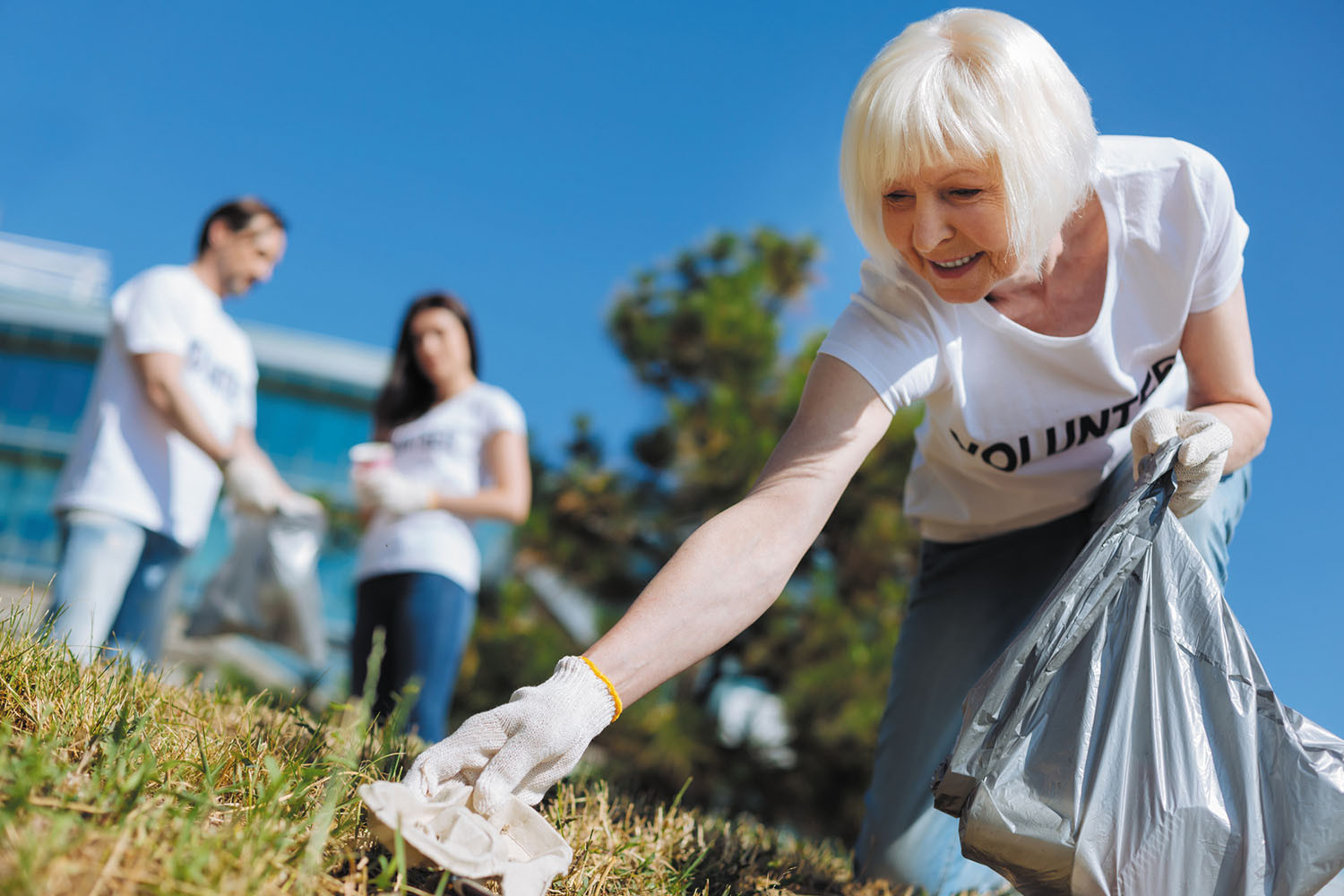
Growing your real-life social network is important for health. Consider these ideas to get started.
Image: © yacobchuk/Getty Images
When we're young, networking can be an important strategy to get ahead in business. Making new acquaintances and building relationships can lead to career opportunities. But later in life, networking takes on new significance: you may need it to stay connected socially. "Your social network shrinks. Your children leave home, you're no longer at work, or you've moved away. And that can lead to isolation and loneliness unless you maintain or rebuild your network," says Dr. Joel Salinas, a neurologist who specializes in behavioral neurology and neuropsychiatry at Harvard-affiliated Massachusetts General Hospital.
Isolation and loneliness
Many studies have linked isolation (being cut off from social contact) with a greater chance of having a heart attack or a stroke. A study published online March 27, 2018, by Heart suggested that isolation was independently associated with a 25% to 32% increased risk of death among people followed for seven years who had already had a heart attack or stroke.
The benefits and risks of multigenerational fitness parks
Playful exercise is not just about fun and games.
Image: © katkov/Getty Images
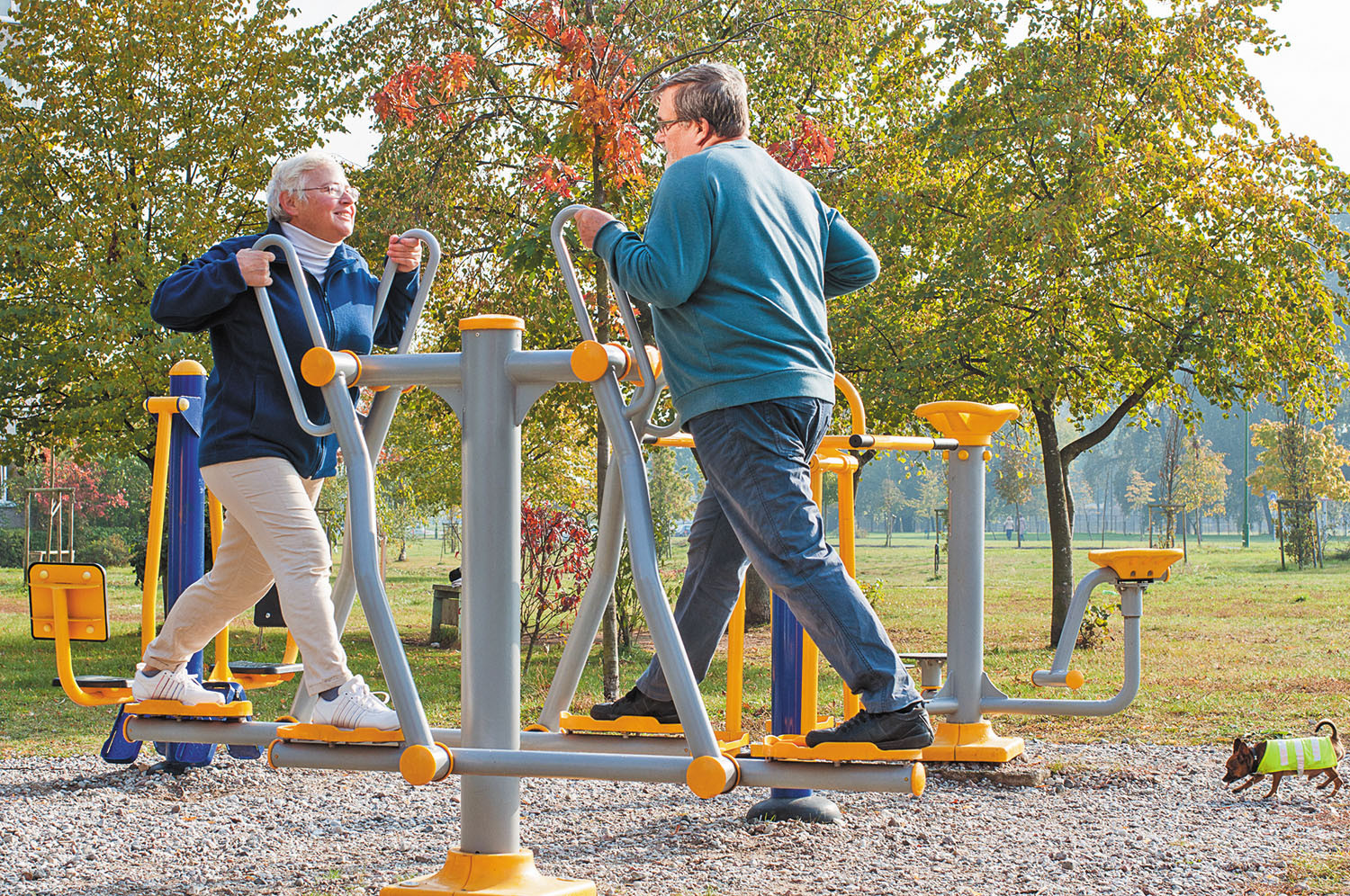
One new exercise trend can make you feel like a kid again. Multigenerational fitness parks are cropping up across the United States. These parks typically include a large child-focused structure with places to climb, slide, swing, hang, and jump. There may also be walking paths and places for interaction between older and younger people, such as seating and picnic tables painted with tabletop games (like checkers). Sounds like a regular park, right?
What's different is that the playground equipment is often adult-friendly: swings are sturdy and roomy; slides are wide, with gentle slopes; and seesaws have ergonomically designed seats that are easy to sit on. The equipment makes it possible for adults to play alongside their kids or grandkids or other children.

Exercise still the best approach to prevent falls
News briefs
Image: © Steve Debenport/Getty Images
Regular exercise in older adults offers powerful protection against falls. That's the conclusion of the U.S. Preventive Services Task Force (USPSTF), published online April 17, 2018, by the Journal of the American Medical Association. Task force members reviewed the latest evidence (about 20 studies) and said there was enough to confirm that exercising, muscle strengthening, and improving balance could help prevent falls in high-risk older adults. Most people in the studies exercised three times a week. The benefit remained the same whether people performed individual routines, participated in exercise classes, or underwent physical therapy. The USPSTF also recommended that doctors offer additional measures to prevent falls, depending on a person's risks (like getting an eye exam if you have poor vision). And the task force found that taking vitamin D did not prevent falls in older adults, so it is recommending against taking a supplement just for that purpose. (Vitamin D is important if you have osteoporosis or vitamin D deficiency.) The takeaway: Falls are the leading cause of injury and injury-related death in older adults. If you're not active, try walking a little each day (if your doctor says it's okay), and build toward walking at least 20 minutes per day.

How atrial fibrillation may affect your brain
This heart rhythm disorder is linked to thinking and memory problems. But anti-clotting drugs may lower the risk.
Bouts of atrial fibrillation, or afib — a rapid, chaotic heartbeat — make some people feel lightheaded and dizzy, while others don't notice any symptoms. But the most serious threat of this condition is the higher risk of stroke among people with afib compared with those without the disorder (see "Blood clot dangers, large and small"). Now, there's a growing recognition that people with afib also face an increased risk of thinking and memory problems — even if they do not experience a stroke.
Known as cognitive impairment, these problems include trouble remembering, learning new things, concentrating, or making routine decisions. The presumed underlying cause? Tiny blood clots that cause "silent" (that is, unrecognized) strokes and gradually injure parts of the brain involved with cognition.

3 simple ways to get more restful sleep
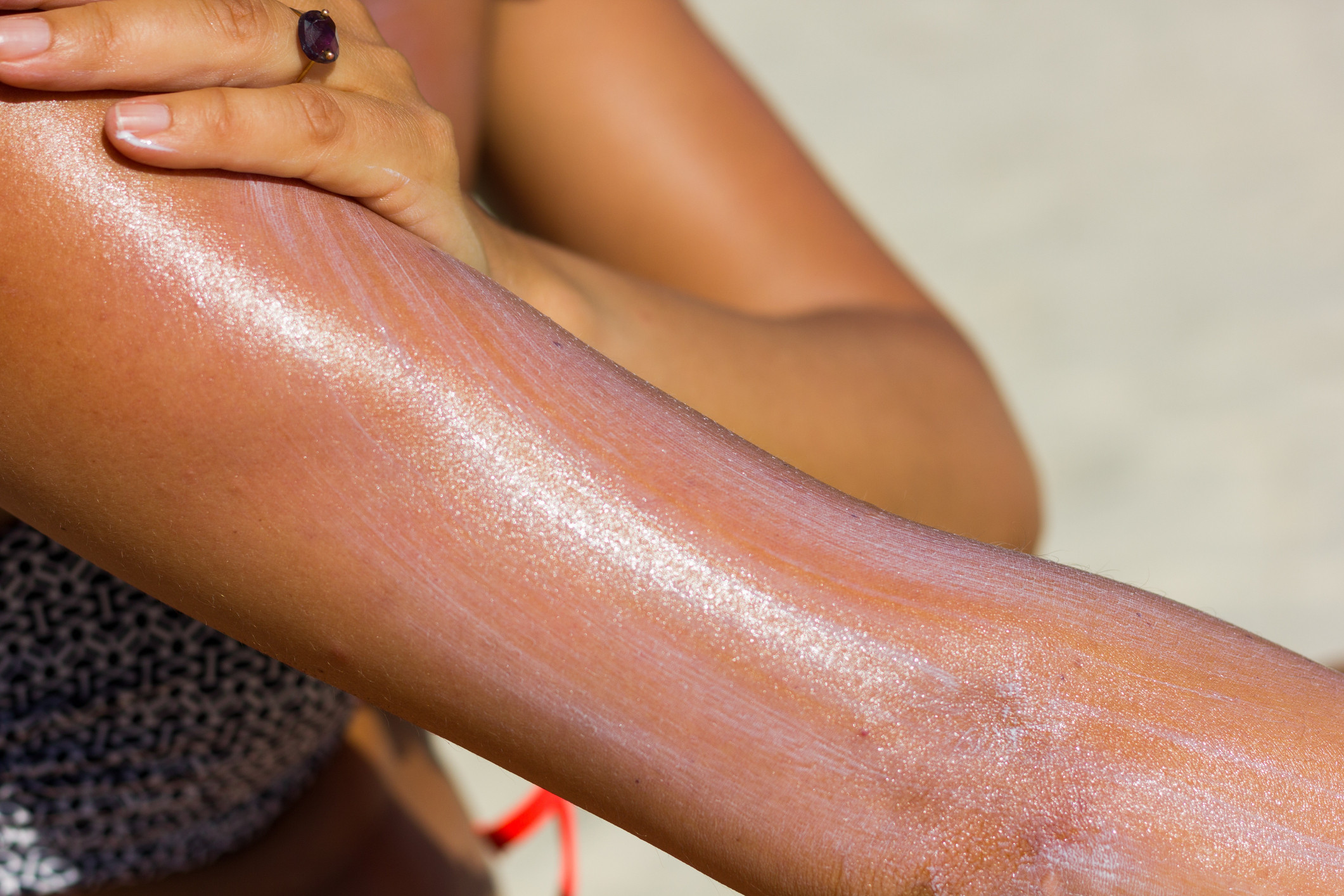
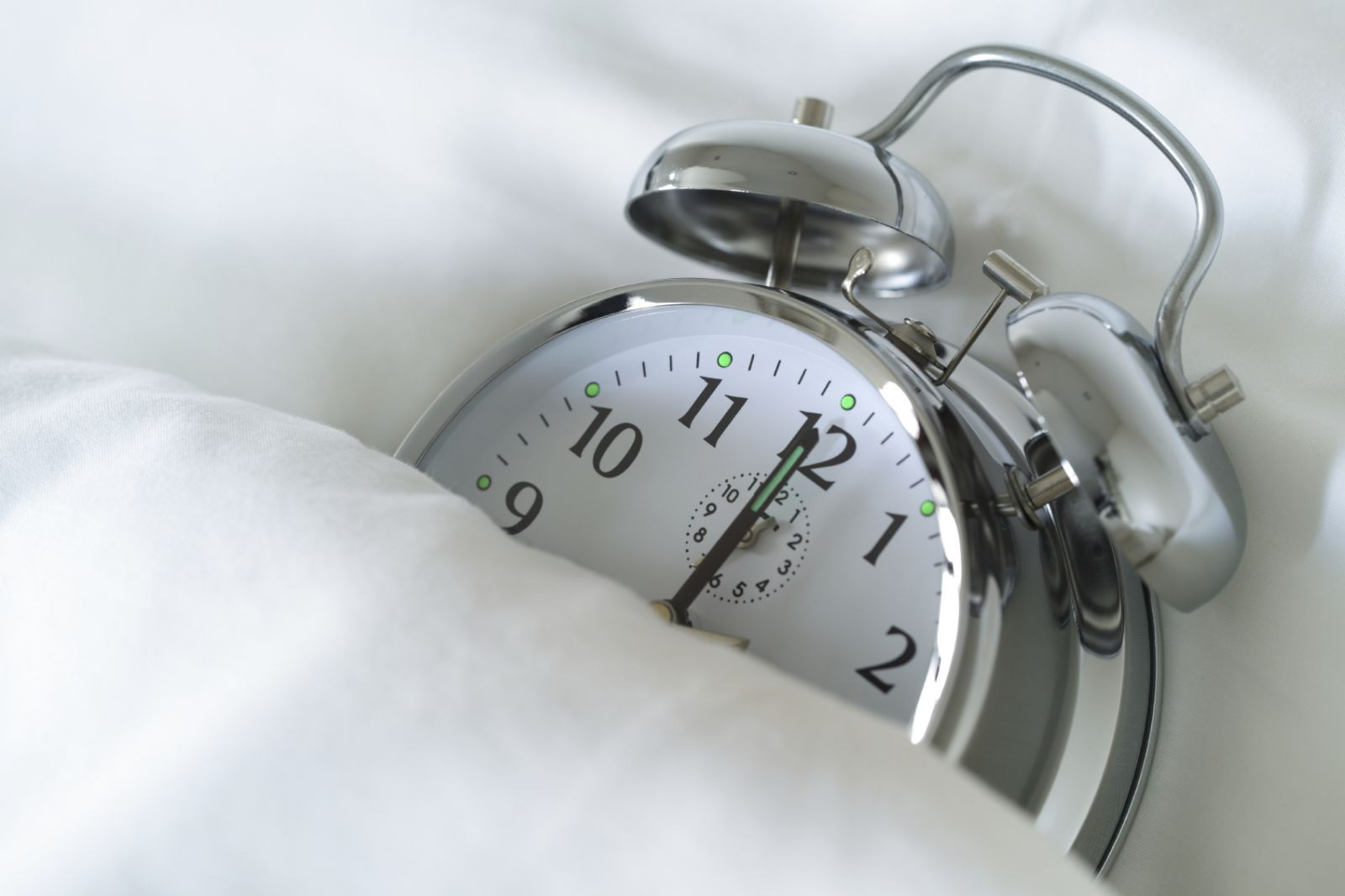
Even people without insomnia can have trouble getting a good night's rest. Many things can interfere with restorative sleep — crazy work schedules, anxiety, trouble putting down the smartphone, even what you eat and drink.
The following three simple steps can help you sleep better.

3 posture tips to get the most out of a core workout
Good posture is important, even during exercise. Quick posture checks before and during a core exercise routine can help you avoid injury and squeeze the biggest benefit from your workout. Here is what you need to know:
- Stand up straight. When instructions for an exercise ask you to stand up straight, that means keeping your:
- chin parallel to the floor
- shoulders even (roll them up, back, and down to help achieve this)
- arms at your sides, elbows relaxed and even
- abdominal muscles pulled in
- hips even
- knees even and pointing straight ahead
- feet pointing straight ahead
- body weight evenly distributed on both feet.
- Stay in neutral. Neutral alignment means keeping your body in a straight line from head to toe except for the slight natural curves of the spine. Whether you're standing or seated, that means your spine is not flexed or arched to overemphasize the curve of the lower back. One way to find neutral is to tip your pelvis forward as far as is comfortable, then tip it backward as far as is comfortable. Neutral is roughly in the middle. If you're not used to standing or sitting up straight, it may take a while for this to feel natural. A neutral wrist is firm and straight, not bent upward or downward.
- Get the angle. When angles appear in exercise instructions, visualize a 90-degree angle as an L. To visualize a 30-degree angle, mentally slice the 90-degree angle into thirds, or picture the distance between a clock's minute hand and hour hand at one o'clock.
Achieving and maintaining good posture during your workouts takes a little practice. If possible, look in a mirror when exercising. Try to take a few moments each day to practice better posture, too.

Leverage your strengths for a more positive life
Strengths are built-in capacities for certain thoughts, feelings, and behaviors. Everyone has these capacities to one degree or another. Your particular pattern of strengths is part of what makes you unique.
When you play from your strengths, you are likely to feel more energetic and perform better than when you are trying to use a capacity that comes less naturally. For example, one person trying to influence a local school board to ban soft drink sales might have the strength to speak up forcefully and clearly at a general meeting (despite the almost-universal fear of public speaking). Another person strong in team-building might feel uncomfortable speaking out in a meeting but could successfully build consensus among parents, nutritionists, and others to weigh the issue and come to a decision.
CoQ10: Should you take this popular supplement if you're on a statin?
Microplastics: A hidden health threat?
Oat vs. dairy milk: Nutrition, benefits, and downsides
What is tempeh? Benefits, nutrition, and how to use it
Healing after food poisoning
Children of centenarians may stay healthier and live longer too, study finds
Light exposure at night may raise risk for heart disease
A lumbar belt may help ease low back pain
Whole grains may improve several heart risk factors at once
Signs of pneumonia: Sometimes vague and unexpected
Free Healthbeat Signup
Get the latest in health news delivered to your inbox!
Sign Up
