

CoQ10: Should you take this popular supplement if you're on a statin?

Microplastics: A hidden health threat?

Oat vs. dairy milk: Nutrition, benefits, and downsides

What is tempeh? Benefits, nutrition, and how to use it

Healing after food poisoning

Children of centenarians may stay healthier and live longer too, study finds

Light exposure at night may raise risk for heart disease

A lumbar belt may help ease low back pain

Whole grains may improve several heart risk factors at once

Signs of pneumonia: Sometimes vague and unexpected
Cancer Archive
Articles

The latest thinking on colonoscopy prep
Approaches to using laxative solutions for colon cleansing have changed since your last colonoscopy.
Preparing for a colonoscopy isn't fun. Indeed, many people dread the colonoscopy prep more than the colonoscopy itself. Traditionally, you have had to change your diet for a few days, drink quarts of laxative solutions — and then spend hours in the bathroom enduring diarrhea and discomfort as your colon empties. In the past few years, though, the approach to taking laxative solutions has evolved to become a little less unpleasant.
Lower-volume preps
Instead of downing 4 liters of medicated liquid, which was once the standard, most people now need to drink about 2 liters (a bit more than 64 ounces). The reduced volume of laxative fluid is often combined with laxative pills, to help you clear your bowels.
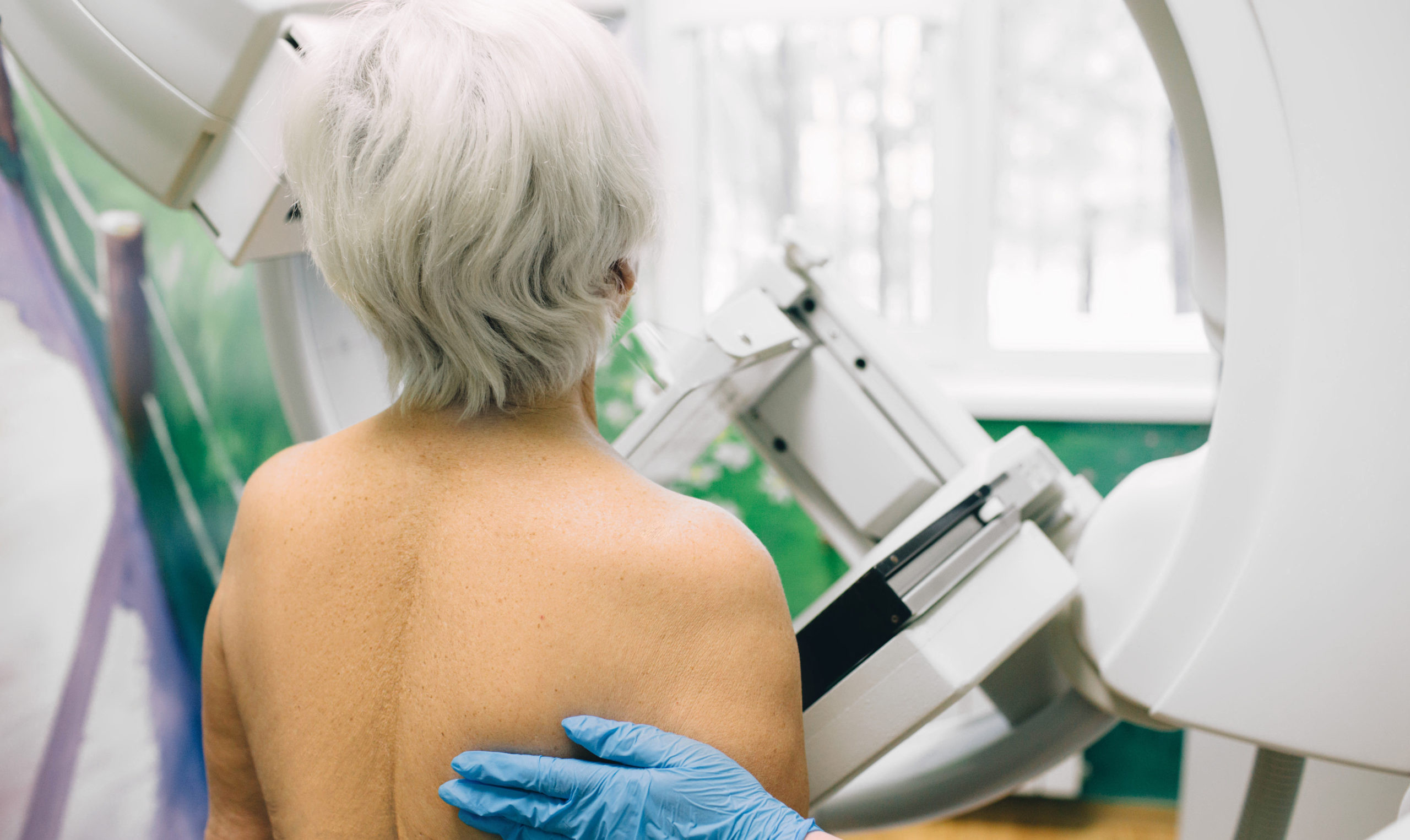
Is it time to give up your annual mammogram?
The question of what age a woman can stop having mammograms does not have a definite answer, but is one each woman must answer based on her circumstances and her feelings about the risks of the procedure versus its benefits.

More sexual partners, more cancer?
A study of older adults found that those who had had more sexual partners were more likely to have developed cancer, but that does not mean there is a causal connection, and there are many ways that sexual behavior can affect cancer risk.


Chemotherapy and hearing loss: Monitoring is essential
One of the possible side effects of chemotherapy that is not as well-known is hearing loss. If you are going to undergo chemotherapy, you should have your hearing tested before and after the course of treatment.


Toxic beauty
Are your personal care products putting your health at risk?
The average woman uses 12 different beauty products every day — cleansers, conditioners, hair dyes, fragrances, skin care products, scented lotions, nail polish, and makeup, to name a few. Take a quick glance at the labels, and you'll see a cocktail of chemical components.
You might assume that all these ingredients have been tested to ensure that they're safe for long-term use. That's not the case.

Heart disease and cancer risk may be linked
In the journals
People with heart disease also have a higher risk of developing cancer, according to research presented at the American Heart Association's Scientific Sessions in November 2019.
Researchers evaluated data from 12,712 people from the Framingham Heart Study who did not have heart disease or cancer at the study's launch. They used a risk estimator that predicts a person's chance for getting heart disease within 10 years.
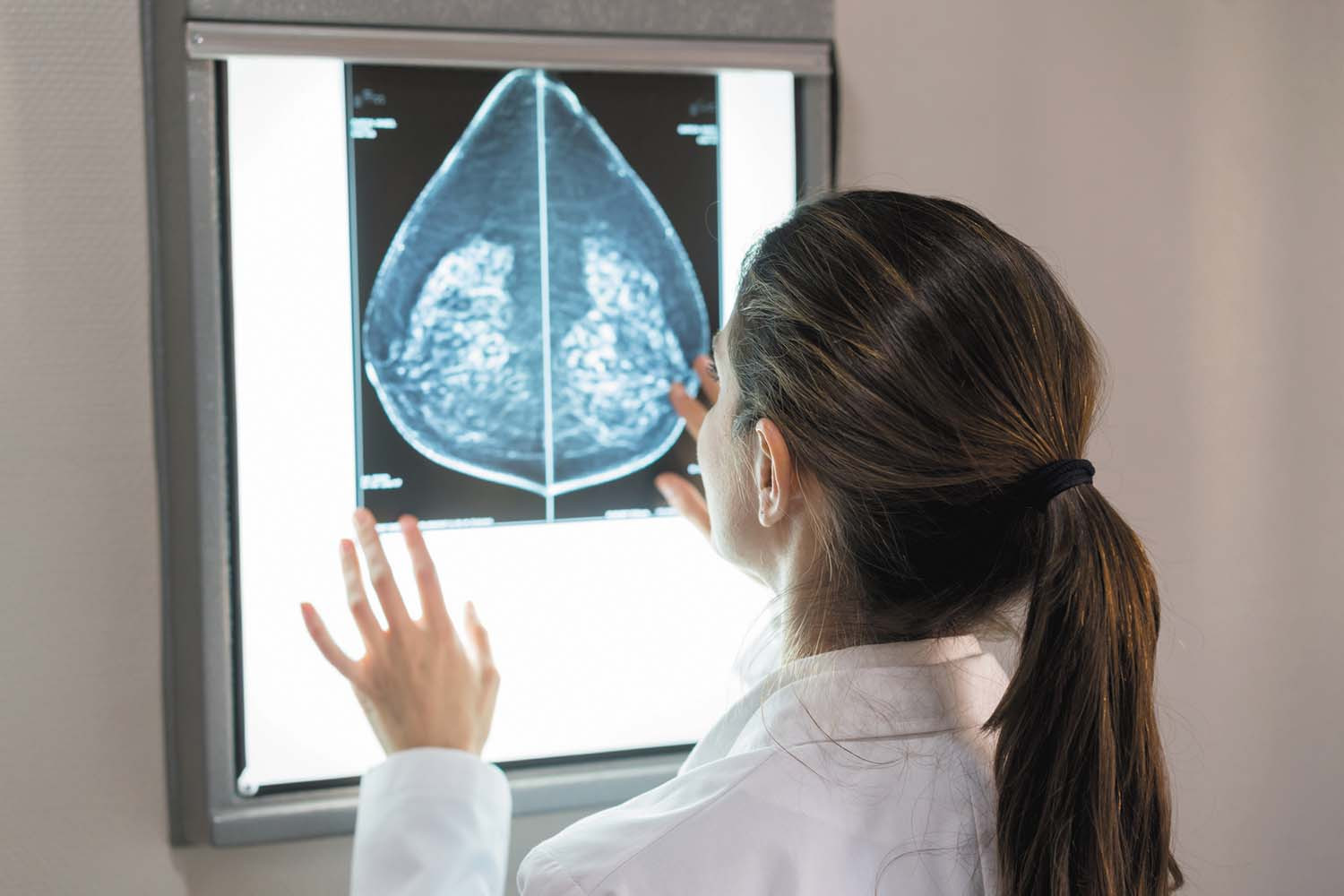
Researchers test new technology for screening dense breasts
Research we're watching
Can a new breast screening technology find more cancers in women with dense breast tissue? A study managed by the American College of Radiology (ACR) Center for Research and Innovation will compare contrast-enhanced spectral mammography (CESM) to other screening technologies used for dense breasts (those that contain a higher proportion of active tissue than fat). It's difficult to find cancers in dense breast tissue using traditional mammography because the active tissue shows up as white areas on a mammogram, just like cancers do, making abnormalities harder to see.
CESM is similar in some ways to traditional mammography, but before having the usual x-ray, the woman is injected with a special iodine-based contrast agent that highlights abnormal areas on the image more clearly. Cancerous tumors typically create new blood vessels when they form, and the contrast agent can reveal that increased blood flow, alerting the radiologist to a potential cancer.

CoQ10: Should you take this popular supplement if you're on a statin?
Microplastics: A hidden health threat?
Oat vs. dairy milk: Nutrition, benefits, and downsides
What is tempeh? Benefits, nutrition, and how to use it
Healing after food poisoning
Children of centenarians may stay healthier and live longer too, study finds
Light exposure at night may raise risk for heart disease
A lumbar belt may help ease low back pain
Whole grains may improve several heart risk factors at once
Signs of pneumonia: Sometimes vague and unexpected
Free Healthbeat Signup
Get the latest in health news delivered to your inbox!
Sign Up
