

CoQ10: Should you take this popular supplement if you're on a statin?

Microplastics: A hidden health threat?

Oat vs. dairy milk: Nutrition, benefits, and downsides

What is tempeh? Benefits, nutrition, and how to use it

Healing after food poisoning

Children of centenarians may stay healthier and live longer too, study finds

Light exposure at night may raise risk for heart disease

A lumbar belt may help ease low back pain

Whole grains may improve several heart risk factors at once

Signs of pneumonia: Sometimes vague and unexpected
Cancer Archive
Articles


New thinking on peripheral neuropathy
Nerve damage might be causing everything from low blood pressure to gastrointestinal distress without your knowing it.
Doctors have long known peripheral neuropathy as a nerve condition that causes reduced sensation, tingling, weakness, or pain in the feet and hands. But those symptoms may be just the tip of the iceberg. Doctors are now learning that neuropathy can cause many more problems.
What is peripheral neuropathy?
Peripheral neuropathy refers to damage to the peripheral nerves throughout the body. These nerves carry messages to and from the brain.
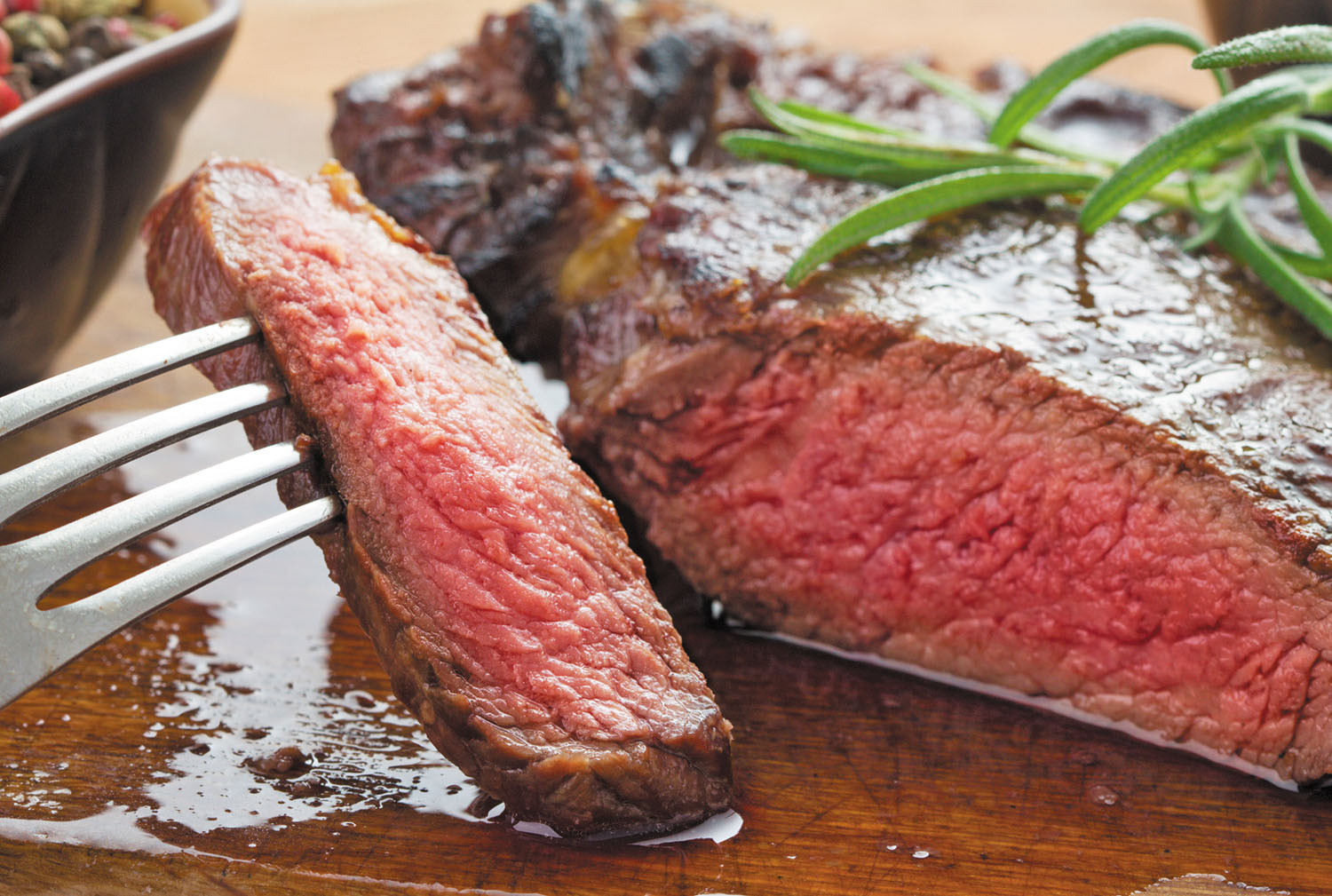
Harvard researchers: Red meat consumption tied to early death
News briefs
We already know that a diet rich in red meat is linked to many health problems, such as heart disease, type 2 diabetes, and colorectal cancer. Now a Harvard-led study published online June 12, 2019, by BMJ suggests that boosting your red meat intake increases your risk for early death. Scientists analyzed questionnaire answers about health and diet provided by more than 81,000 healthy men and women between 1986 and 2010. In particular, researchers looked at whether changes in red meat consumption during an eight-year period of the study affected the risk of death eight years later. The findings: An increase of just half a serving of processed red meat per day was associated with a 13% higher risk for dying young from any cause; an additional half-serving of unprocessed red meat increased the risk by 9%. On the flip side, decreasing total red meat consumption and increasing the consumption of nuts, fish, poultry without skin, dairy, eggs, whole grains, or vegetables was tied to a lower risk of death. The takeaway: Try to curb your appetite for red and processed meats like bacon, salami, and hot dogs. Eat more poultry, fish, or plant-based proteins (like beans, lentils, nuts, and seeds), along with the other components of a healthy diet.
Image: © Pavlo_K/Getty Images

Stay ahead of skin cancer
Learn to spot an actinic keratosis before it becomes cancerous.
About 58 million people have at least one actinic keratosis (AK), a precancerous skin growth caused by too much sun exposure.
Yet most people don't see the potential danger in these lesions because they are small, with few if any annoying symptoms, and can go away almost as fast as they appear.

Why did the FDA issue a fecal transplant warning?
Ask the doctors
Q. I heard that the FDA recently issued a warning related to a specific treatment for Clostridium difficile infections. Can you explain what this warning is about?
A. The FDA issued a warning in June aimed at health care providers who are using fecal transplants to treat Clostridium difficile (C. difficile) infections that have not responded to traditional treatments, such as antibiotics. Doctors perform fecal transplants (which are still considered investigational by the FDA) by introducing stool from a healthy donor into the gastrointestinal tract of the person infected with C. difficile. The introduction of healthful bacteria can sometimes treat the infection, which typically inflames the colon causing symptoms such as severe diarrhea, cramps, and fever. The FDA issued its warning after two immunocompromised adults developed infections from an antibiotic-resistant strain of Escherichia coli (E. coli) following transplants from stool contaminated with the bacteria. Both people got transplants from the same donor. One of the two people died following the infection. To prevent similar problems in the future, the FDA now recommends that doctors performing these transplants follow some new safety measures, including the following:

The state of gas
Excess gas can be annoying, but is it cause for concern?
Gas is a normal — yet embarrassing — part of digestion. "We're all pretty gassy as individuals," says Dr. Kyle Staller, a gastroenterologist with Harvard-affiliated Massachusetts General Hospital.
In fact, the average person produces between 1/2 and 1 liter of gas every day and passes gas about 10 to 20 times. "While people may not like it when they do it, especially at inappropriate times, it's just a sign of a regular, healthy digestive system at work," says Dr. Staller.
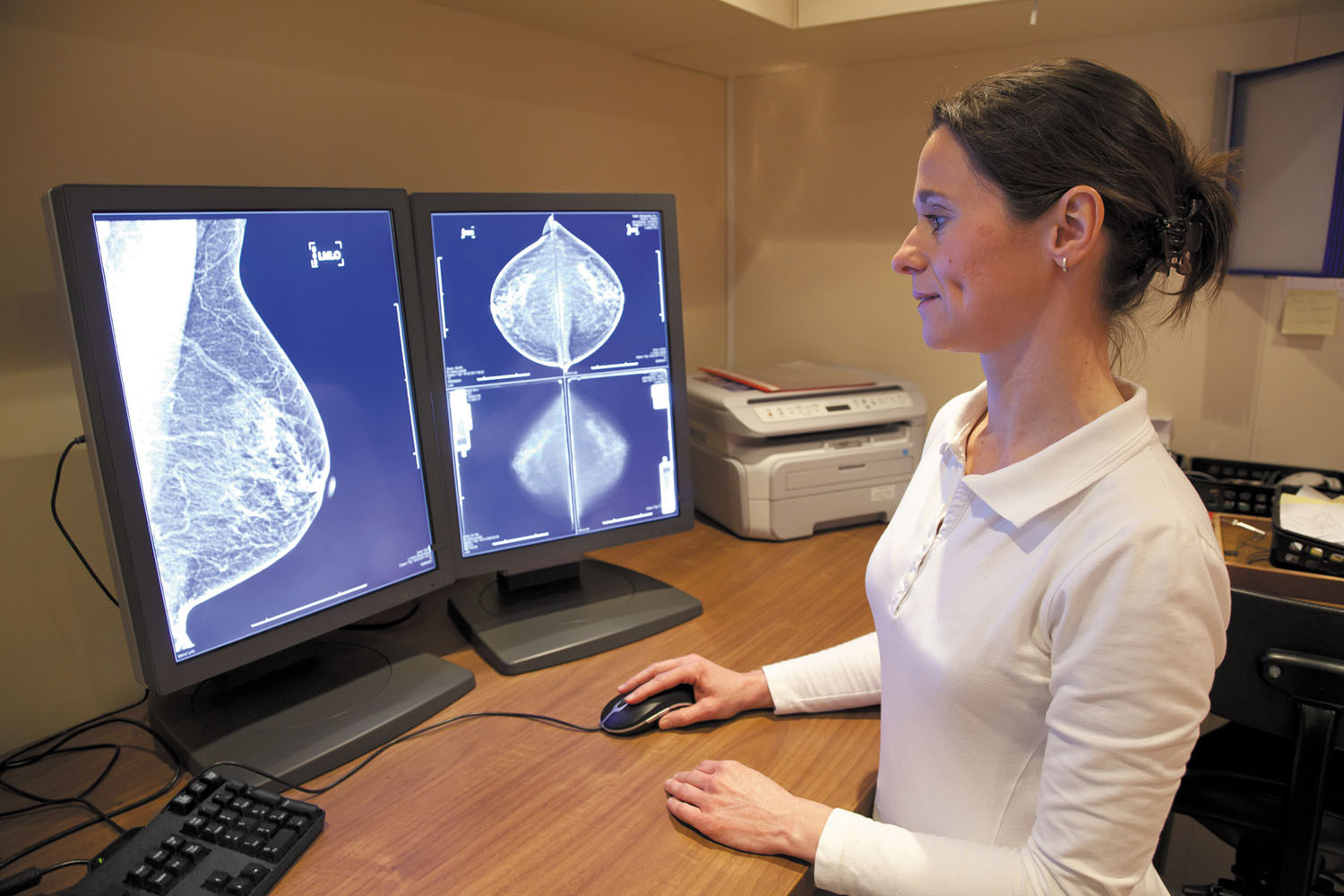
Dealing with high-density breasts
The FDA may require mammography facilities to notify patients about this breast cancer risk factor, but women don't know what to do with this information.
Do you know how dense your breasts are? If you don't, a new proposal by the FDA may mean you will soon find out.
The agency proposed a change that, if approved, will require mammography facilities to send letters informing women about their breast density — a measure of the proportion of active tissue versus fat in their breasts (see "The FDA proposal").

Colorectal cancer screening before age 50?

By the way, doctor: Does long-term use of Prilosec cause stomach cancer?
Q. I've been taking Prilosec for many years for GERD. Recently, I once read that long-term use of proton pump inhibitors could increase the risk of stomach cancer. Your opinion?
A. Prilosec is a pump inhibitor (PPI). These drugs have revolutionized the treatment of gastroesophageal reflux disease (GERD), in which stomach acid flows back into the esophagus and causes heartburn.
CoQ10: Should you take this popular supplement if you're on a statin?
Microplastics: A hidden health threat?
Oat vs. dairy milk: Nutrition, benefits, and downsides
What is tempeh? Benefits, nutrition, and how to use it
Healing after food poisoning
Children of centenarians may stay healthier and live longer too, study finds
Light exposure at night may raise risk for heart disease
A lumbar belt may help ease low back pain
Whole grains may improve several heart risk factors at once
Signs of pneumonia: Sometimes vague and unexpected
Free Healthbeat Signup
Get the latest in health news delivered to your inbox!
Sign Up
