

Using a vibration plate: What it can — and can't — do for your body

The surprising link between ovarian cancer and the fallopian tubes

People who walk more or walk faster live longer, study finds

For sleep apnea, a dental device may be as effective as CPAP

Rosacea treatments: What works?

Carb cycling: What is it, and does it work?

Salmonella, E. coli, Cyclospora, and other germs that cause food poisoning: What you need to know

Melatonin or magnesium: Can either supplement help you sleep?

Understanding orthorexia: Have your healthy eating goals gone too far?

Naturally gluten-free foods
Cancer pain Archive
Articles

Will my herniated disc heal on its own?
Ask the doctors
Q. I have a herniated disc in my back. What does this mean, and will this heal on its own?
A. A herniated disc, also called a slipped or ruptured disc, is a common problem that can happen at any age, but becomes more common in middle age and beyond. It occurs when the jelly-like filling in a spinal disc — one of the pads between your vertebrae, or spinal bones — breaks through the disc's outer shell, called the annulus, and bulges through the tear. When this happens, the material may press on nearby nerves, which can cause a host of symptoms including inflammation, pain, and numbness. Where in your body you experience these symptoms depends on the location of the herniated disc. For example, if the disc is in your neck, you may feel pain down your shoulder and into your arm. If the disc is lower in your back, it may irritate your sciatic nerve, which can cause pain that radiates through your buttock and down your leg. The good news is that in most cases — 90% of the time — pain caused by a herniated disc will go away on its own within six months. Initially, your doctor will likely recommend that you take an over-the-counter pain reliever and limit activities that cause pain or discomfort. But in some cases, if you've been using these strategies and haven't noticed an improvement, your doctor may recommend further evaluation and possibly an additional treatment strategy, such as physical therapy. Surgery is typically not recommended unless the problem does not respond to therapy, if you are having an increasingly hard time moving, or if your doctor believes the spinal cord is being compressed.

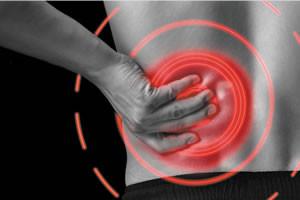
Back pain: What you can expect from steroid injections
After trying and failing to control back pain with conservative measures, injections of anti-inflammatory steroid medication are an option. The benefit may be small and short term, and the therapy has risks such as infection.


Too many pain pills after surgery: When good intentions go awry
A reasonable and well-intentioned effort to reduce and relieve pain can inadvertently lead to a potentially life-threatening addiction, but there are some surprisingly simple ways to avoid such scenarios.

5 Internet recommendations for joint pain: Do they work?
Some ideas seem reasonable, but that doesn't mean they'll help.
People increasingly consult the Internet about medical problems. If you're looking for approaches to relieve joint pain and inflammation caused by wear and tear (osteoarthritis) or an immune system attack (such as occurs in rheumatoid arthritis), you may find methods that sound promising and even sensible. But will they work? Here's advice on five pain relief methods commonly touted on the Internet.
1. Music therapy
Listening to music can evoke powerful emotions that help people relax or heal, which is the basis of music therapy. Research has found that music therapy is associated with less anxiety before surgery or during chemotherapy, and better functioning during physical rehabilitation.

Is it time to consider using medical marijuana?
The stigma is fading, but learn the pros and cons before trying it.
Despite the hype and popularity of medical marijuana, you may not be sure if it's something to consider. You're right to be cautious; the use of marijuana to treat health problems is still being studied, and we don't have all the answers about its risks and benefits.
We do know that medical marijuana use among older adults is increasing. "Older adults tend to use it for physical ailments. No. 1 is chronic pain. Insomnia is another big one, too. Older people have a hard time sleeping, and there aren't a lot of other safe options," says Dr. Peter Grinspoon, a primary care physician with Harvard-affiliated Massachusetts General Hospital.

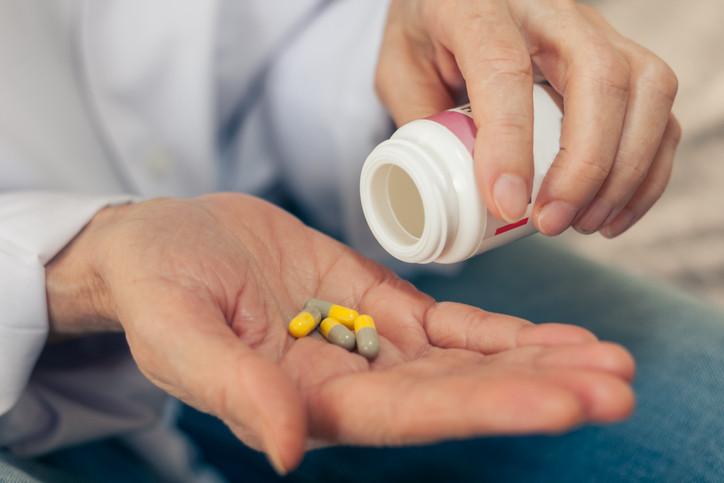
Pain relief that's safe for your heart
The popular painkillers known as NSAIDs include aspirin, ibuprofen, naproxen, and the prescription drug celecoxib. All except aspirin may slightly increase the risk of a heart attack, but naproxen appears to be the least risky.

What to do about tennis elbow
Tennis elbow is the common term for lateral epicondylitis, an inflammatory condition of the tendon that connects the extensor muscles of the lower arm to a bony prominence on the outside of the elbow called the lateral epicondyle. The condition causes pain at the point where the tendon attaches to the epicondyle. The pain may radiate to the forearm and wrist, and in severe cases, grip strength may lessen. It can become difficult to perform simple actions like lifting a cup, turning a key, or shaking hands.
As many as half of all people who play racket sports have the condition, but most people who have tennis elbow didn't acquire it by playing tennis, squash, or racquetball. It can result from any activity that involves twisting or gripping motions in which the forearm muscles are repeatedly contracted against resistance, such as pruning bushes or pulling weeds, using a screwdriver, or playing a violin. Tennis elbow is an occupational hazard for professional gardeners, dentists, and carpenters.
Using a vibration plate: What it can — and can't — do for your body
The surprising link between ovarian cancer and the fallopian tubes
People who walk more or walk faster live longer, study finds
For sleep apnea, a dental device may be as effective as CPAP
Rosacea treatments: What works?
Carb cycling: What is it, and does it work?
Salmonella, E. coli, Cyclospora, and other germs that cause food poisoning: What you need to know
Melatonin or magnesium: Can either supplement help you sleep?
Understanding orthorexia: Have your healthy eating goals gone too far?
Naturally gluten-free foods
Free Healthbeat Signup
Get the latest in health news delivered to your inbox!
Sign Up
