

Using a vibration plate: What it can — and can't — do for your body

The surprising link between ovarian cancer and the fallopian tubes

People who walk more or walk faster live longer, study finds

For sleep apnea, a dental device may be as effective as CPAP

Rosacea treatments: What works?

Carb cycling: What is it, and does it work?

Salmonella, E. coli, Cyclospora, and other germs that cause food poisoning: What you need to know

Melatonin or magnesium: Can either supplement help you sleep?

Understanding orthorexia: Have your healthy eating goals gone too far?

Naturally gluten-free foods
Cancer pain Archive
Articles

When the first step is the hardest
Women are twice as likely as men to develop plantar fasciitis, the most common cause of chronic heel pain. Pain is worst in the morning and eases over the course of the day. Older adults, some athletes, and people who are overweight or obese are likelier to develop plantar fasciitis. Mainstay treatments include stretches, medication, night splints, and supportive shoes. Emerging treatments include injections of botulinum toxin (Botox), platelet-rich plasma, or fat.

Does weight loss surgery relieve pain?
Weight-loss surgery has many proven benefits. Now, data from a study of people who had bariatric surgery and were followed for several years suggests that it also improves pain and physical function.

New guidelines on opioids for pain relief: What you need to know
The CDC's 2016 guidelines for prescribing opioid medications aimed to reduce deaths from overdose. Recent revisions to these guidelines aim for refinement while emphasizing safety and the importance of finding the best treatment solution for each person.
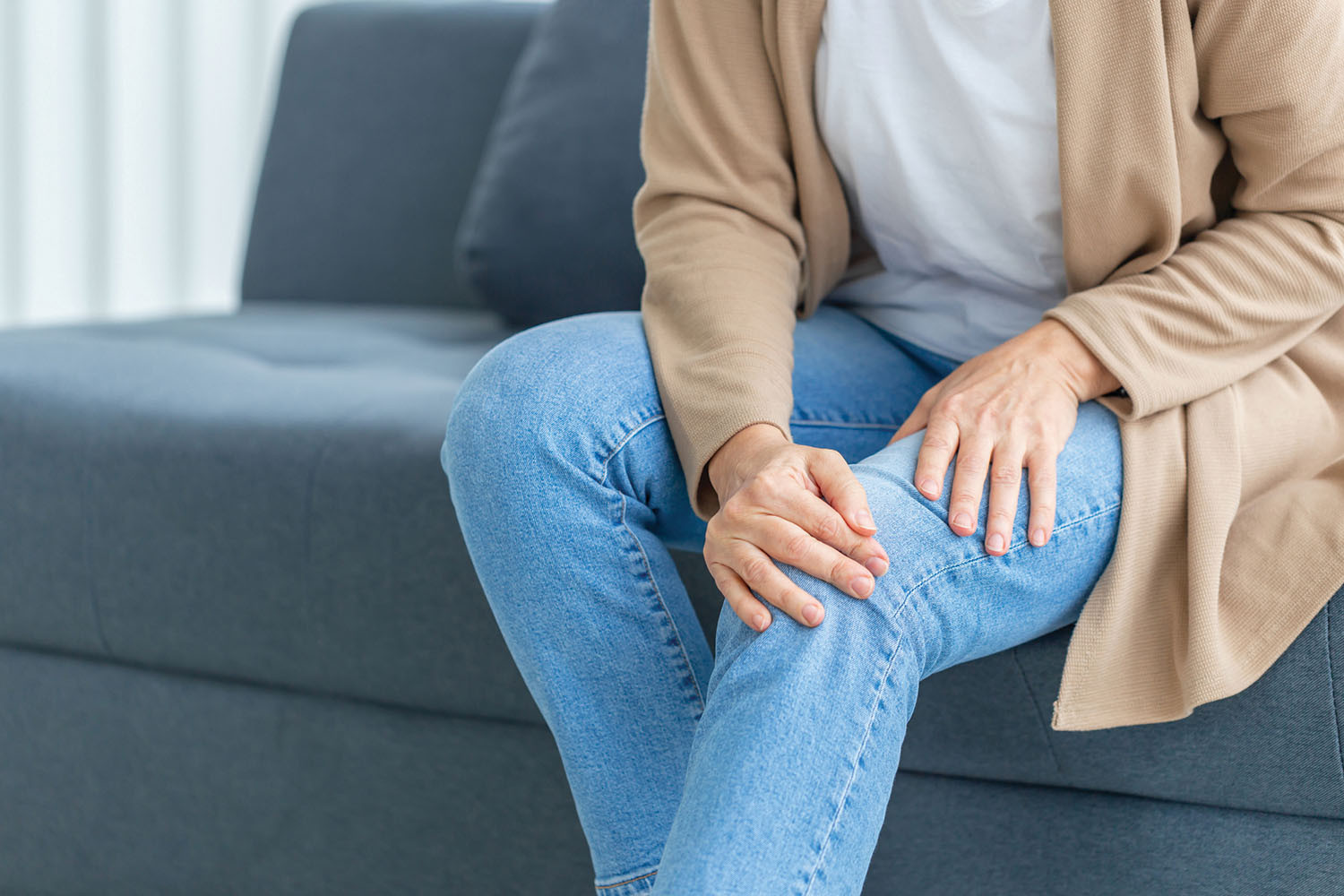
What triggers weather-related joint pain?
Many people say they feel joint pain that arrives with cold or damp weather. While research hasn't confirmed why, changes in barometric pressure can place pressure on joints that may lead to aches.

Drug-free solutions for pain
Relying on pain pills for persistent aches, pains, and soreness can come with side effects and increase the risk of drug dependency. A solution is to try any of several available drug-free therapies to help manage and even treat common types of pain, such as physical and massage therapy, yoga, acupuncture, and therapies that help change your perception and reaction to pain.

Relieve low back pain with stretching
Stretching the muscles that support the spine can help alleviate persistent or recurring low back pain. The muscles to stretch include the erector spinae muscles along the spine, the iliopsoas muscles connecting the spine to the lower limbs, and the abdominal muscles in the front of the body that help prop up the torso. Other muscles that support the back include those in the front of the hips, back of the thighs, and buttocks. An example of a back stretch is lying on a bed and pulling the legs close to the chest for half a minute.

Certain medications are better than others for managing spine pain
Certain medications are safer and more effective than others for treating spine pain in older adults, according to a recent study. Among these are the over-the-counter drugs acetaminophen (Tylenol) and ibuprofen (Advil) and some nerve pain drugs, muscle relaxants, and antidepressants.

Walking for exercise may prevent knee pain
People with knee osteoarthritis may prevent future knee pain and reduce joint damage by walking for exercise.


What's that shoulder sound?
There's no one sound unique to a particular shoulder problem. That makes it hard to know what various shoulder noises are telling you. Possibilities include arthritis; bone breaks; rotator cuff tears; gas bubbles, loose parts, or bone spurs in the shoulder joint; neck problems; and bursitis. It's advisable to investigate shoulder noises if they happen, along with shoulder pain, weakness, or limited movement, or if the sound followed a shoulder injury. It's also smart (though not urgent) to ask a doctor about shoulder sounds that aren't accompanied by other symptoms.
Using a vibration plate: What it can — and can't — do for your body
The surprising link between ovarian cancer and the fallopian tubes
People who walk more or walk faster live longer, study finds
For sleep apnea, a dental device may be as effective as CPAP
Rosacea treatments: What works?
Carb cycling: What is it, and does it work?
Salmonella, E. coli, Cyclospora, and other germs that cause food poisoning: What you need to know
Melatonin or magnesium: Can either supplement help you sleep?
Understanding orthorexia: Have your healthy eating goals gone too far?
Naturally gluten-free foods
Free Healthbeat Signup
Get the latest in health news delivered to your inbox!
Sign Up
