

CoQ10: Should you take this popular supplement if you're on a statin?

Microplastics: A hidden health threat?

Oat vs. dairy milk: Nutrition, benefits, and downsides

What is tempeh? Benefits, nutrition, and how to use it

Healing after food poisoning

Children of centenarians may stay healthier and live longer too, study finds

Light exposure at night may raise risk for heart disease

Whole grains may improve several heart risk factors at once

A lumbar belt may help ease low back pain

Signs of pneumonia: Sometimes vague and unexpected
Blood Pressure Archive
Articles

Elevated blood pressure may not predict early death in those with weak grip strength
In the journals
A study of almost 7,500 men and women ages 65 or older suggests that among those with weak grip strength, elevated blood pressure does not serve as a sign of a high risk of early death.
Grip strength is a commonly used measure to assess frailty in older individuals. The research, published online March 17, 2017, by the Journal of the American Geriatrics Society, measured the participants' grip strength and blood pressure. Grip strength was measured with a hand dynamometer, with "weak" defined as a reading of less than 26 kilograms (kg) for men.

Can your blood pressure be too low?
Recent findings raise concerns about lowering diastolic blood pressure — the second number in your blood pressure reading — too far.
Image: © Wavebreakmedia/Thinkstock
More of us than ever before are taking medications to lower our blood pressure. Longstanding guidelines suggest that most people should aim for a systolic blood pressure (the first number in a reading) no higher than 140 millimeters of mercury (mm Hg). But in 2015, the results of the Systolic Blood Pressure Intervention Trial (SPRINT) suggested that reaching a target of 120 mm Hg could further reduce the risks associated with high blood pressure, including heart attack, stroke, heart failure, and death.
Yet reaching that lower target often requires three blood pressure medications, which can increase the likelihood of side effects. Two observational studies and one clinical trial have raised concerns about lowering blood pressure — particularly diastolic pressure — too far. Diastolic blood pressure (the second number in a reading) represents the pressure between beats when the heart relaxes. "When your systolic blood pressure gets too low, it can manifest as lightheadedness, fainting, and weakness. But low diastolic pressure by itself doesn't have any symptoms," says Dr. Paul Conlin, professor of medicine at Harvard Medical School and chief of medicine at the VA Boston Healthcare System.
Wrist-worn activity trackers offer inconsistent heart rate data
Research we're watching
Earlier studies have shown that wrist-worn activity trackers can accurately record the number of steps a wearer takes. However, few studies have determined how well they monitor heart rate.
Researchers at the University of Wisconsin in Madison studied four wrist-worn activity trackers — Basis Peak, Fitbit Surge, Fitbit Charge, and Mio Fuse — to determine the accuracy of their heart rate monitoring in 40 healthy women and men ages 30 to 65. The researchers fitted each participant with four trackers—two on each wrist. Using the trackers as well as an ECG machine, the researchers measured the wearers' heart rates at one-minute intervals for 10 minutes while they were sitting. They then repeated the measurements while the participants walked on a treadmill for 10 minutes. When they compared the readings from the ECGs and the trackers, they found that all of the readings were more consistent when the participants were resting than when they exercised.

Fainting: Frightening, but seldom serious
While frightening, fainting is not always serious, though it’s important to be aware that it may be a sign of an underlying problem with the blood vessels or heart.
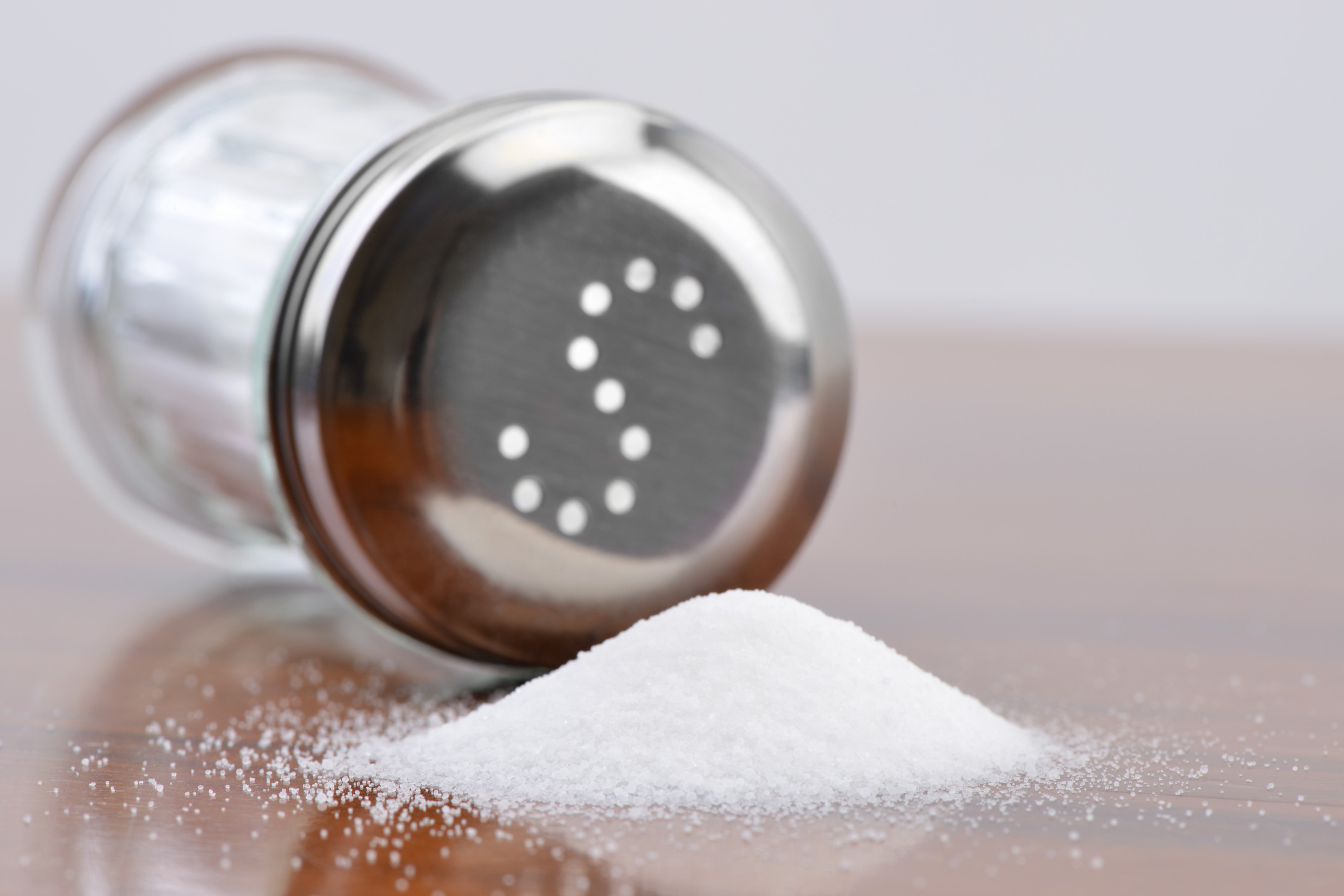


How to stick to a low-salt diet when dining out
Do a little research, follow a few rules, and make polite requests.
Image: © Backyard Production/Thinkstock
Going out for dinner can be a nice way to unwind with family or friends. But if you're watching your salt intake, restaurants aren't always so relaxing. Much of their fare is loaded with sodium, a main component of salt. In fact, some entrees at popular chains contain far more than 2,300 milligrams (mg) of sodium — the recommended limit for an entire day's worth of food (see "Super-salty entree examples").
Limiting sodium is especially important for people with high blood pressure, because excess salt worsens this common condition, leaving you more prone to heart attack and stroke. If you eat out only once a month, you probably needn't worry too much. But Americans tend to eat out far more frequently — about five times a week, on average. So it's worth learning some strategies for staying within your salt budget when you eat away from home.

Recognizing the most common warning signs of a stroke
Three telltale symptoms occur in 75% of all strokes, often in combination. Don't ignore them — even if they're short-lived.
Image: © American Heart/Thinkstock
Every 40 seconds, someone in the United States has a stroke. Also known as "brain attacks," strokes result from an injury to a blood vessel that limits blood flow to part of the brain. Rapid diagnosis and treatment can prevent potentially devastating disability or death — which is why everyone should know the common warning signs of a stroke.
In 2013, the American Stroke Association unveiled a stroke awareness campaign based on the mnemonic FAST. Around that the time, a national survey suggested that 28% of Americans didn't know any stroke symptoms, and nearly half weren't sure what to do if they experienced or witnessed the symptoms of a stroke. But four years later, things seem to be improving.

Power up your heart health
Add strength training to your home workout to boost your cardiovascular fitness.
With age, much of your body's muscle is replaced by fat. By age 75, lean muscle mass drops to just a quarter of your total weight, down from 50% in the young adult years. Some of the effects of this loss are clearly visible — your body changes shape, and you can no longer hoist heavy boxes or sprint to catch a bus. But this shift also carries broader implications for your overall health and chronic disease risk.
Your heart will thank you
Five of the modifiable risk factors for cardiovascular disease — inactivity, high cholesterol, high blood pressure, excess body fat, and diabetes — respond in varying degrees to strength training, says Elissa Huber-Anderson, a physical therapist at Harvard-affiliated Massachusetts General Hospital. "Strength exercises increase muscle mass and burn body fat, thus reducing the risk for obesity. This type of workout also helps manage type 2 diabetes by decreasing abdominal fat and improving blood sugar control," she says. Strength training may also improve blood cholesterol levels and reduce resting blood pressure, which further lowers the risk to your heart.

Do premature heart attacks run in your family?
If so, be extra vigilant about measuring and managing your blood pressure and cholesterol.
Filling out those family history forms at the doctor's office can be tedious. But sometimes, the devil is in those details. Because heart disease is so common, many people check "yes" to the question about whether their father or mother had heart disease. But if your father had a heart attack at age 77, that's likely different than if his heart attack happened when he was only 44.
"If you have any family history of heart disease, that should serve as a keen reminder to pay attention to factors that can raise your risk of a heart attack, such as high cholesterol, high blood pressure, and diabetes," says Dr. Howard Sesso, an epidemiologist with the division of preventive medicine at Harvard-affiliated Brigham and Women's Hospital. But if a parent or sibling had a premature heart attack, that's an even stronger signal to be more proactive in monitoring and lowering your risk, he adds. A premature or early heart attack is one that occurs before age 55 in a man or before age 65 in a woman.
CoQ10: Should you take this popular supplement if you're on a statin?
Microplastics: A hidden health threat?
Oat vs. dairy milk: Nutrition, benefits, and downsides
What is tempeh? Benefits, nutrition, and how to use it
Healing after food poisoning
Children of centenarians may stay healthier and live longer too, study finds
Light exposure at night may raise risk for heart disease
Whole grains may improve several heart risk factors at once
A lumbar belt may help ease low back pain
Signs of pneumonia: Sometimes vague and unexpected
Free Healthbeat Signup
Get the latest in health news delivered to your inbox!
Sign Up
