

CoQ10: Should you take this popular supplement if you're on a statin?

Microplastics: A hidden health threat?

Oat vs. dairy milk: Nutrition, benefits, and downsides

What is tempeh? Benefits, nutrition, and how to use it

Healing after food poisoning

Children of centenarians may stay healthier and live longer too, study finds

Light exposure at night may raise risk for heart disease

Whole grains may improve several heart risk factors at once

A lumbar belt may help ease low back pain

Signs of pneumonia: Sometimes vague and unexpected
Blood Pressure Archive
Articles

The value of prevention
Treating heart disease is expensive. Adopting heart-healthy habits can save money as well as lives.
If you exercise, eat right, and follow other heart-friendly habits, you're probably less likely to end up in the hospital with a heart problem. And — no surprise here — that translates to far lower health care costs. The average hospital charge for a heart operation or related procedure is about $85,000 (see "The price of treating heart disease").
A recent report shed light on the magnitude of the savings realized from heart disease prevention strategies. The study, published in the Feb. 1, 2017, Journal of the American Heart Association, focused on Medicare claims for more than 6,200 people over age 65. Health care costs were about $5,000 less per year in people with the most heart-healthy factors compared with those with the least number of factors. If all Medicare beneficiaries followed five of seven key heart-healthy habits (see "Life's Simple 7") to reduce cardiovascular disease, it would save more than $41 billion a year in Medicare costs, the study authors estimated.
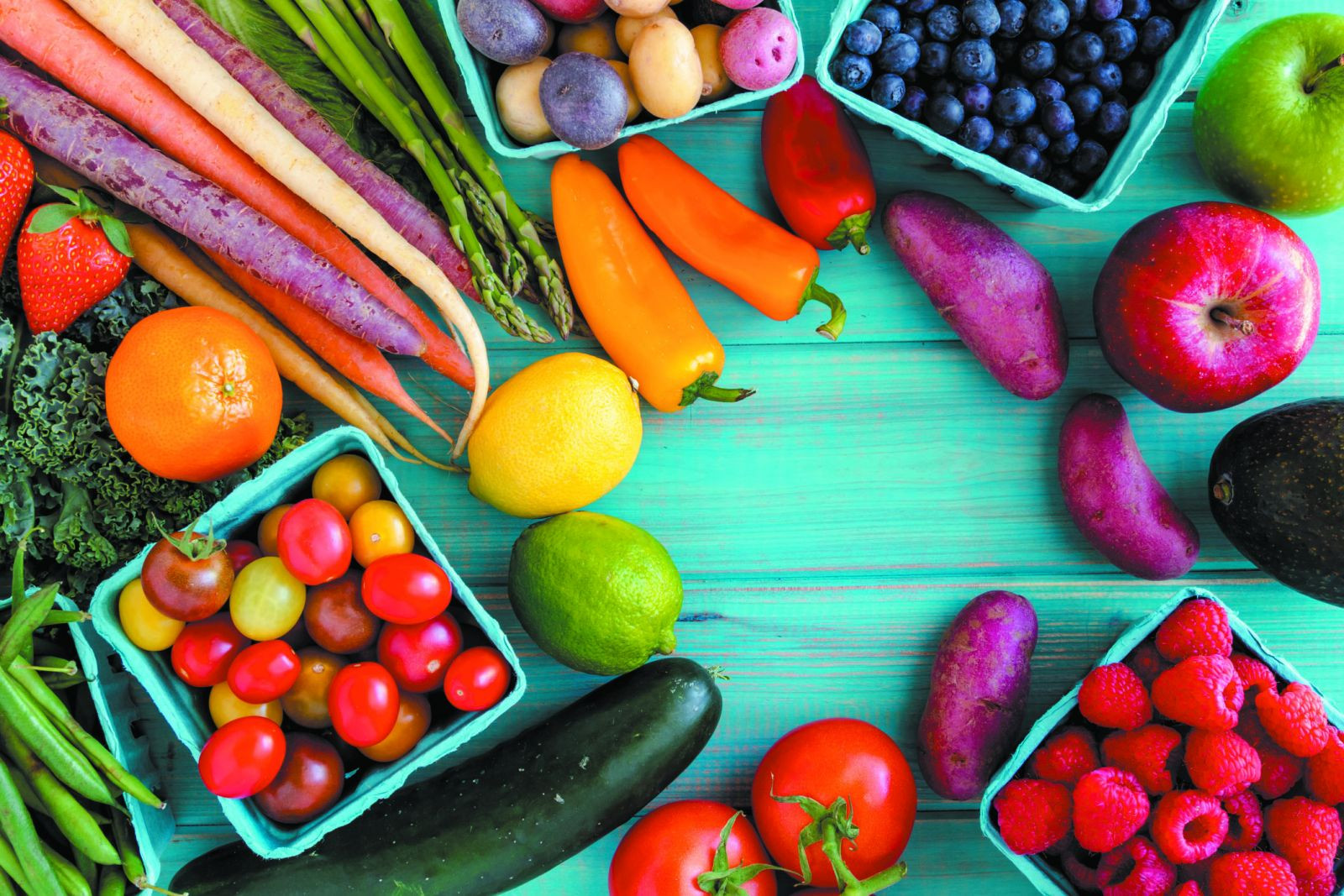
Fruits and vegetables for heart health: More is better
Research we're watching
Image: © tvirbickis/Thinkstock
How many daily servings of fruits and vegetables should you eat to keep your heart healthy? Five servings a day (about two-and-a-half cups) appears to slightly lower your risk of heart attack and stroke. But pump up your produce intake to 10 servings a day, and you may lower your risk of cardiovascular disease by 28% and your risk of premature death by 31%, according to a new review article.
The findings, published online Feb. 22, 2017, by the International Journal of Epidemiology, were gleaned from 95 studies from around the world looking at the effects of fruit and vegetable intake. The items that seemed to offer the greatest benefits included apples, pears, oranges and other citrus fruits, green leafy vegetables, cruciferous vegetables (such as broccoli, cabbage, and cauliflower), and green and yellow vegetables (such as green beans, carrots, and peppers).

Safety of implanted cardiac devices and MRIs: An update
Research we're watching
Contrary to conventional wisdom, most people with older implanted cardiac devices may be able to safely get a magnetic resonance imaging (MRI) scan, according to a study in the Feb. 23, 2017, New England Journal of Medicine.
The devices, which include pacemakers and implantable cardioverter-defibrillators (ICDs), help regulate and restore the heart's normal rhythm. Concerns that the powerful magnets in MRIs could damage these battery-operated devices led to the development of newer, MRI-safe devices. But an estimated two million people in the United States have one of the older devices, and at least half of them might need an MRI in the future.
Blood pressure targets changing?
News briefs
New guidelines ease up on the target number to treat high blood pressure in otherwise-healthy older adults. The guidelines from the American College of Physicians and the American Academy of Family Physicians were published Jan. 17, 2017, in Annals of Internal Medicine. Instead of recommending treatment for people ages 60 or older when the systolic measurement (the top number) is at or above 140 millimeters of mercury (mm Hg), the new target is now 150 mm Hg or higher. The physician groups point to evidence suggesting that the higher number is enough to reduce the risk of death, stroke, or heart attack in otherwise-healthy older adults. They say lower (more aggressive) targets provide little benefit unless a person has a history of stroke or a high risk of heart problems (from risk factors such as high cholesterol, obesity, and diabetes). In that case, the guidelines recommend treatment at or above 140 mm Hg. These new numbers are considered controversial; the American Heart Association still recommends aiming for a blood pressure reading of less than 140/80 mm Hg. Bottom line: Optimal blood pressure targets must be tailored to your individual needs. Ask your doctor what's right for you.

A win for weekend warriors?
Exercising just one or two days a week may lower the odds of dying of heart disease.
Image: © Jupiterimages/Thinkstock
If you find it difficult to fit a workout into your daily schedule, here's some encouraging news: exercising even just once or twice a week appears to help your heart, new research suggests.
The findings, which were based on the self-reported exercise habits of more than 63,500 people, were published March 6, 2017, in JAMA Internal Medicine. Among people who exercised enough to meet federal physical activity recommendations, those who did all their exercise on one or two days a week — so-called weekend warriors — had 40% lower risk of death from heart disease than people who were inactive (see "Exercise patterns: How much do time and intensity matter?").

Your blood pressure goal: A personalized balancing act
Experts are divided on optimal blood pressure targets but agree that an individual approach is the best strategy.
There's no debate about the dangers of high blood pressure. Dubbed the "silent killer," high blood pressure usually has no symptoms. Yet this common condition damages blood vessels throughout the body, raising the risk of heart attack, stroke, kidney disease, and other problems.
But exactly when to start drug therapy for high blood pressure and how aggressive that treatment should be — especially in older people — has been a matter of some dispute in recent years. Some studies suggest that aiming for a stricter (that is, lower) blood pressure target than the current guidelines recommend can substantially reduce a person's risk of cardiovascular complications (see: "Blood pressure research and guidelines: A moving target?"). Other studies offer evidence that a more relaxed (that is, higher) target makes more sense for most people, given the potential harms of drug side effects such as fatigue and coughing, as well as low blood pressure, which can cause lightheadedness and fainting.
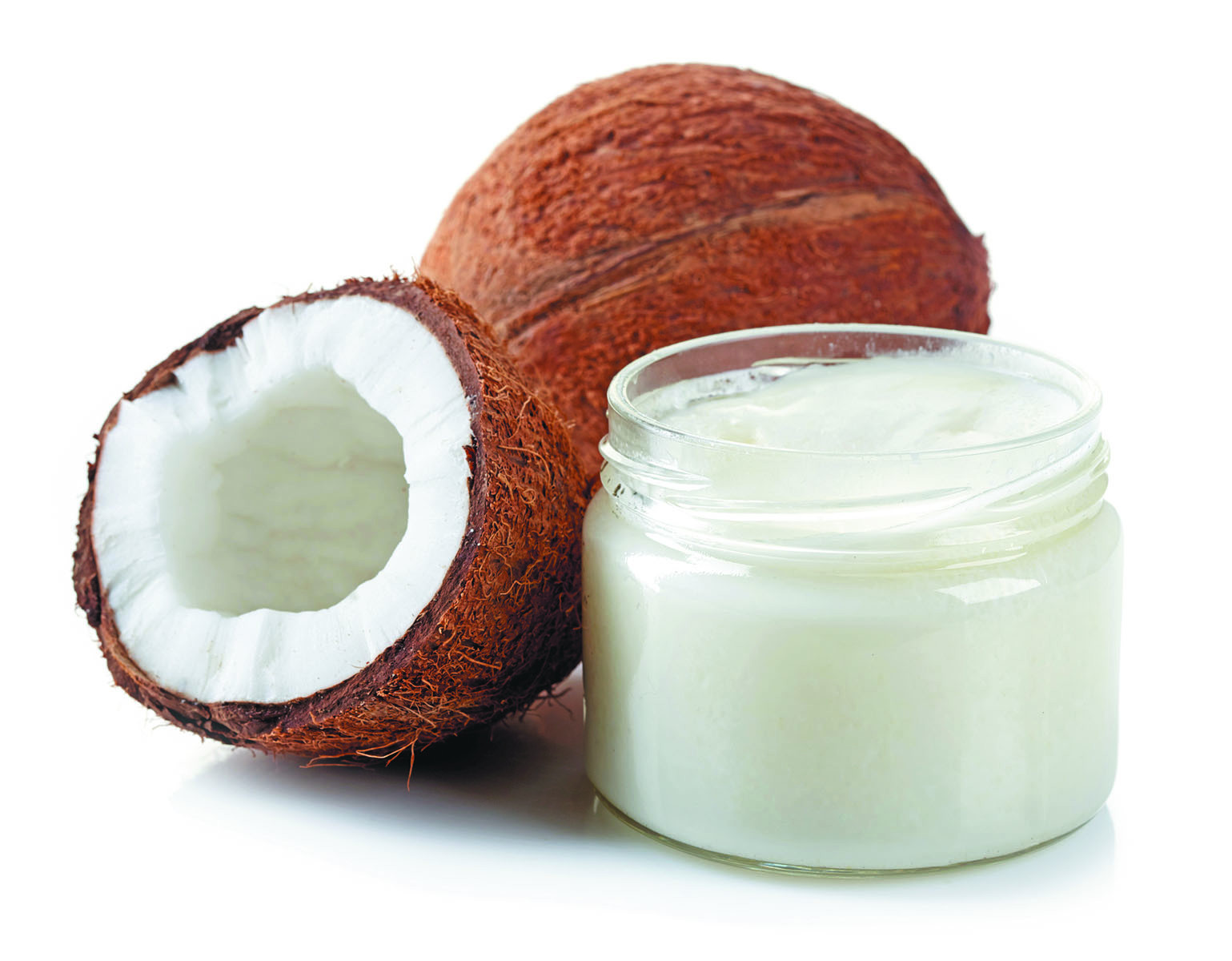
Cracking the coconut craze
Are oils and other products made from this tropical fruit a healthy choice?
Image: © Magone/Thinkstock
Recently, a Harvard Heart Letter reader emailed us a question about coconut oil, a solid white fat that's been touted as a health food, specifically for the heart. Lately, more coconut-based products, including spreads and beverages, are showing up on grocery store shelves, along with jars of coconut oil. But this reader isn't buying it. "I cannot imagine that a food with so much saturated fat could be healthful. What is the latest scientific information regarding coconut oil?" he wrote.
Extracted from white "meat" inside the brown, hard-shelled fruit of the coconut palm, coconut oil is indeed chock-full of saturated fat. In fact, it's about 90% saturated fat, a much higher proportion than butter (64%) or lard (40%). Too much saturated fat in the diet raises harmful LDL cholesterol, which increases the risk of heart disease. But what else do we know about the health effects of this tropical fruit?

Nordic diet linked to lower stroke risk
Research we're watching
Following a Nordic diet — which features fish, whole grains, plus fruits and vegetables popular in Scandinavian countries — may help lower the risk of stroke, a new study suggests.
The study, published in the February 2017 issue of Stroke, included more than 55,000 Danish people from a national health registry, all of whom filled out questionnaires about their diets and other lifestyle habits. Researchers looked at how closely the participants followed the Healthy Nordic Food Index, which includes six food categories: fish, apples and pears, root vegetables (such as carrots and celery root), cabbages (which also include broccoli, cauliflower, kale, and Brussels sprouts), rye bread, and oatmeal.

Blood pressure creeping up? How to bring it down without drugs
Lifestyle changes may reduce your need for pills.
For most of us, as the years increase, so does our blood pressure. By age 60, almost 65% of Americans will have high blood pressure. Although men are more likely to develop high blood pressure between ages 45 and 55, women are at greater risk after 65. Yet high blood pressure isn't an inevitable fact of later life. It's possible to slow the processes that drive blood pressure up. By doing so, you'll also reduce your risk of heart attack, stroke, and dementia.
Blood pressure reflects the amount of blood flowing through the vessels and the pressure exerted by the vessel walls against the blood. In a blood pressure reading, the top number represents the systolic pressure, recorded when the vessel contracts to push blood through. The bottom number represents the diastolic pressure, recorded when the vessels are relaxed. Over time, our blood vessels lose elasticity, and atherosclerotic plaque may build up in artery walls. Both of these trends make vessels stiffer. As vessels become less flexible, blood pressure is higher at any level of blood flow.
CoQ10: Should you take this popular supplement if you're on a statin?
Microplastics: A hidden health threat?
Oat vs. dairy milk: Nutrition, benefits, and downsides
What is tempeh? Benefits, nutrition, and how to use it
Healing after food poisoning
Children of centenarians may stay healthier and live longer too, study finds
Light exposure at night may raise risk for heart disease
Whole grains may improve several heart risk factors at once
A lumbar belt may help ease low back pain
Signs of pneumonia: Sometimes vague and unexpected
Free Healthbeat Signup
Get the latest in health news delivered to your inbox!
Sign Up
