

CoQ10: Should you take this popular supplement if you're on a statin?

Microplastics: A hidden health threat?

Oat vs. dairy milk: Nutrition, benefits, and downsides

What is tempeh? Benefits, nutrition, and how to use it

Healing after food poisoning

Children of centenarians may stay healthier and live longer too, study finds

Light exposure at night may raise risk for heart disease

Whole grains may improve several heart risk factors at once

A lumbar belt may help ease low back pain

Signs of pneumonia: Sometimes vague and unexpected
Blood Pressure Archive
Articles
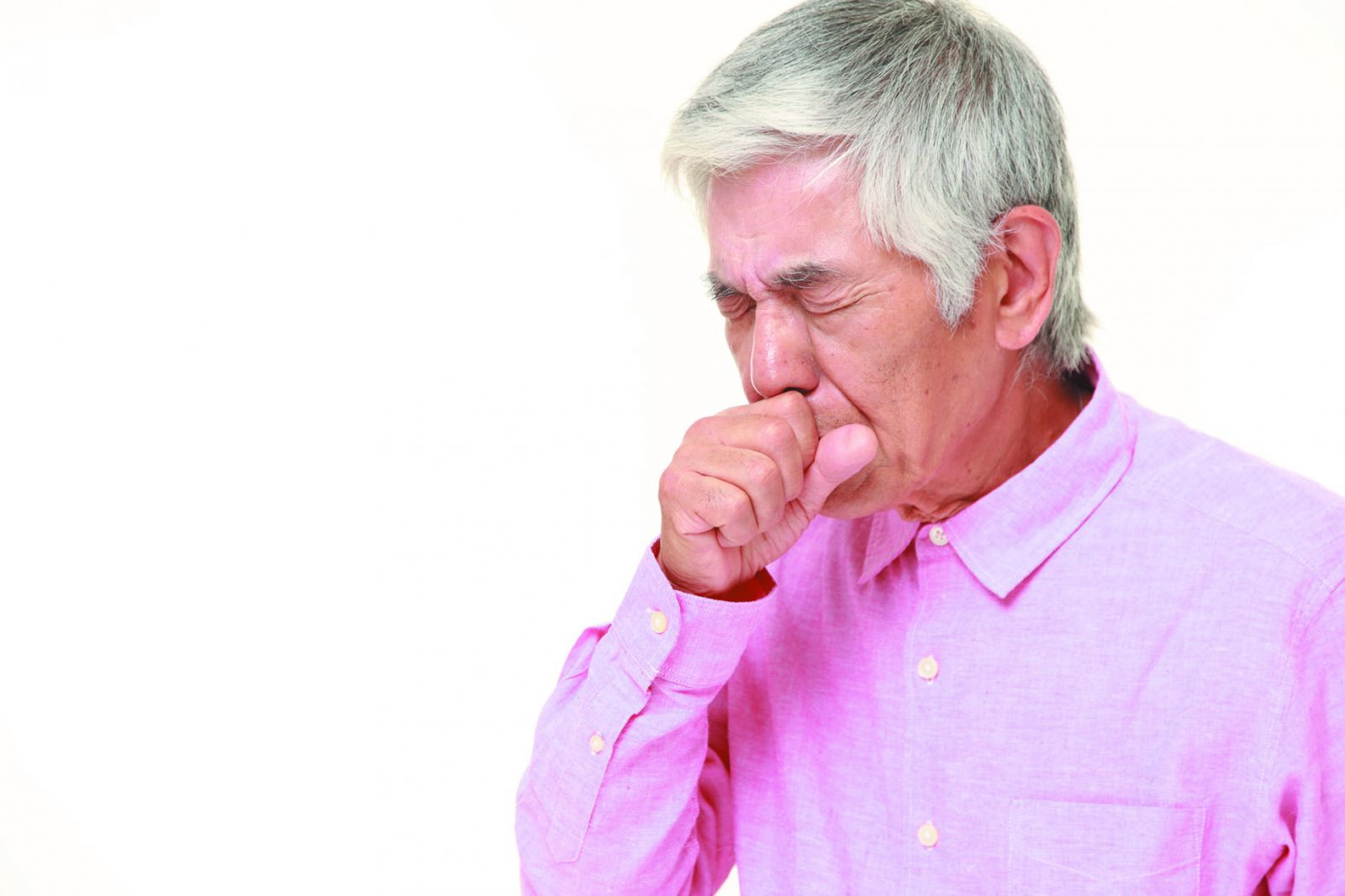
Putting the brakes on a racing heart
A rapid heartbeat can be frightening, but this often-fleeting problem is usually harmless.
Image: © deeepblue/Thinkstock
If you're exercising or feeling very nervous, you expect your heart to beat faster than normal. But what if your heart sometimes starts racing out of the blue, for no apparent reason? You might have supraventricular tachycardia, or SVT. SVT is an umbrella term that covers several different types of rapid heart rhythms, all of which are caused by an electrical glitch in the upper part of the heart.
The most common SVTs are atrial fibrillation — a rapid, chaotic rhythm that increases the chance of having a stroke—and atrial flutter, a fast but usually regular heartbeat. But when cardiologists talk about SVT, they're usually referring to three different, less-common conditions (see "What is supraventricular tachycardia?").
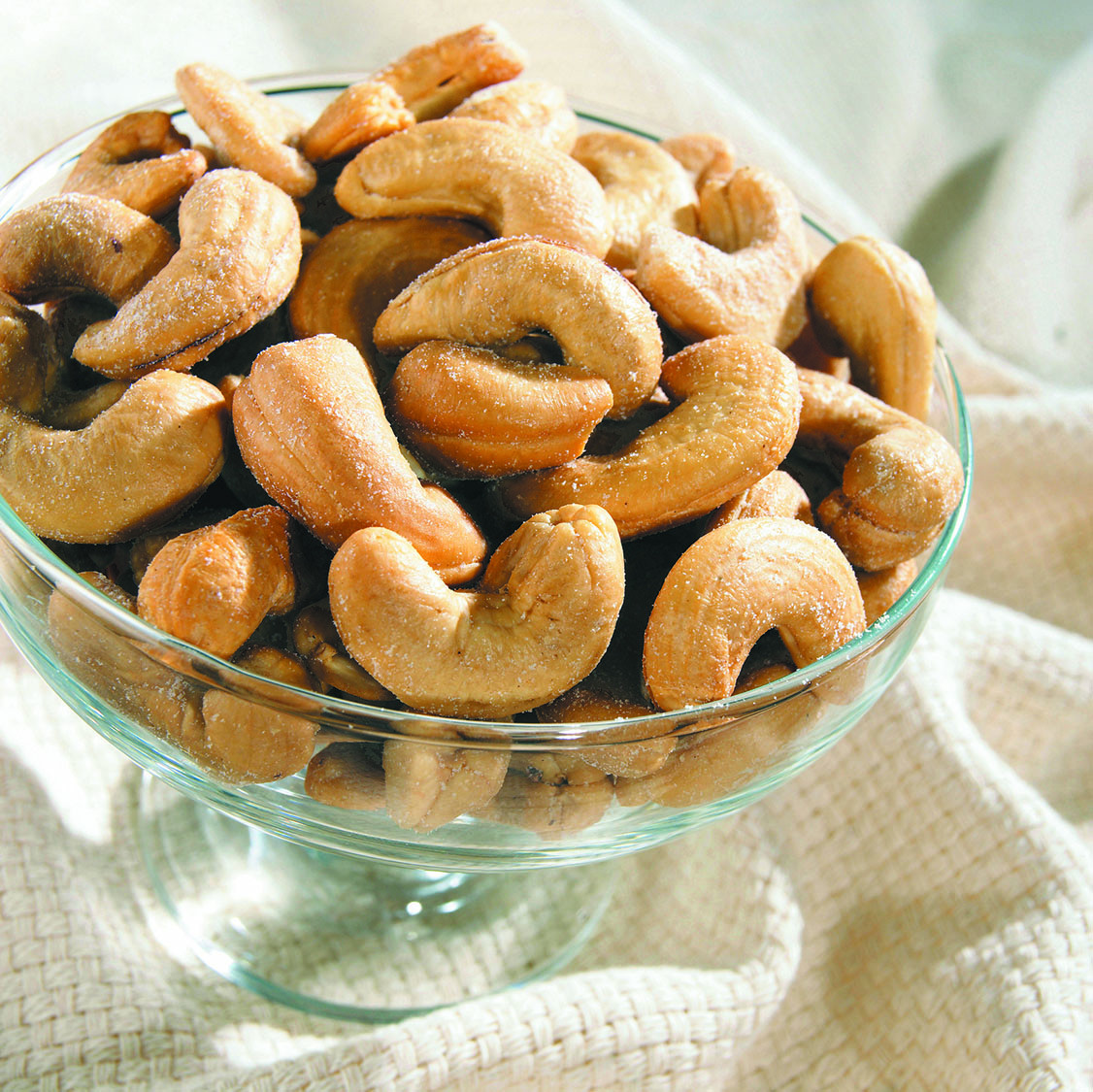
Cashews: A better choice than low-fat chips?
Research we're watching
Image: © Purestock/Thinkstock
If you're craving a crunchy snack, a handful of cashews is a heart-healthy choice, a small study suggests.
Although they're a popular pick in nut mixes, cashews have a bit of a bad rap. Because cashews contain about 20% saturated fat, the FDA omitted them from the qualified health claim suggesting that nuts may lower heart disease risk when eaten as part of a diet low in saturated fats and cholesterol.

As physical activity level rises, blood pressure may drop
Research we're watching
The more physically active you are, the lower your risk of high blood pressure, a study in the April 2017 issue of Hypertension suggests.
Researchers pooled data from 29 studies involving a total of more than 330,000 people, about 20% of whom had high blood pressure. They examined the association between high blood pressure and leisure-time physical activity (walking, dancing, or gardening, for example) as measured by metabolic equivalents (METs).
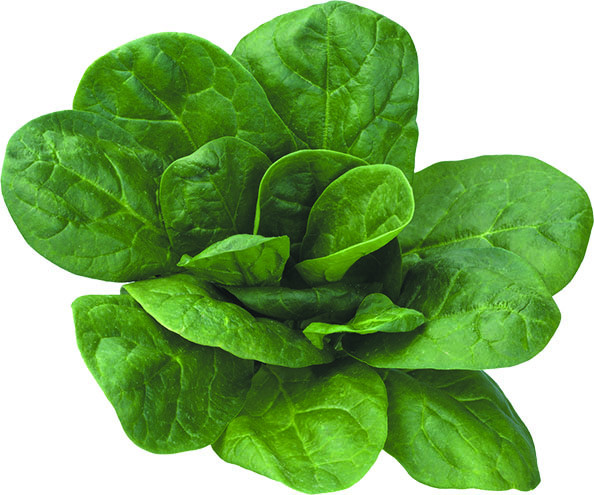
A new spin for spinach: A scaffold for working heart cells
Research we're watching
Image: © Irimglow/Thinkstock
Spinach, like all green vegetables, is full of nutrients that may help prevent heart disease. But one day, this leafy green may also provide a novel way to repair a damaged heart, as described in the May 2017 issue of Biomaterials.
A team of researchers used detergent to dissolve the cells inside a spinach leaf, leaving only the scaffolding of the leaf veins (which resemble blood vessels in the heart). Next, they seeded those veins with human heart stem cells. After five days, the cells spontaneously began to contract — and continued to beat for three weeks.
Of all the flavors in the world, we choose salty — and that’s not good
The average American consumes three times the recommended daily intake of sodium, largely because of salt added to processed and prepared foods. It’s possible to reduce daily sodium intake, but it does require effort and vigilance.

Why middle-age spread is a health threat
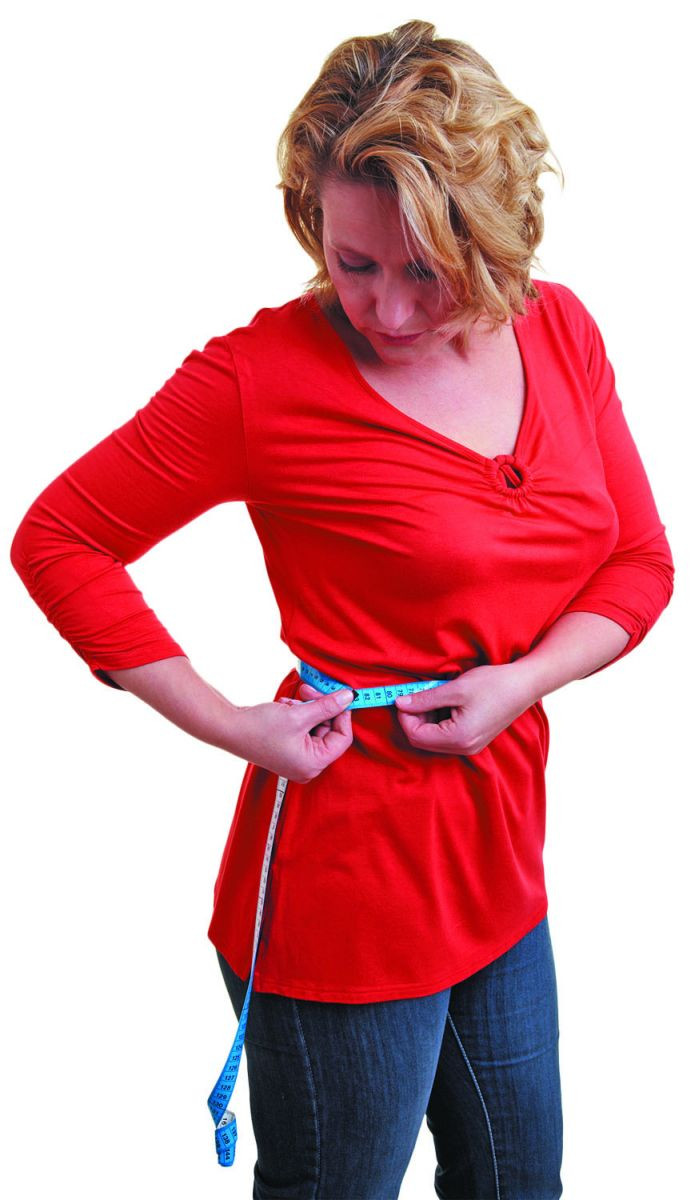
Those extra inches around the middle may signal increased fat around abdominal organs and rising health risks.
It's a rare woman over age 50 who has the same waist measurement she had as a teenager. But in the past decade or so, women's waistlines have been expanding regardless of age. A 2014 report from the National Health and Nutrition Examination Survey found that from 1999 to 2012, the average body mass index (BMI) for women age 20 or older held steady. But during the same period, the average female waistline grew slowly and steadily, from 36.2 inches to 37.8 inches. Researchers are still searching for an explanation for this phenomenon, but they do know one thing: increasing waistlines are linked to greater risks for heart disease, diabetes, and osteoporosis.
What's in a waistline?
Regardless of whether your weight has changed over the years, your height is likely to have decreased, the result of declining volume in the intervertebral discs of the spine. As your torso shortens, your abdominal organs have less vertical space to inhabit, so they move horizontally. If you haven't gained weight, an increase of an inch or two around the waist may simply reflect lost height.
Do calcium supplements interfere with calcium-channel blockers?
Do calcium supplements interfere with calcium-channel blockers?
Ask the doctors
Q. I've just been prescribed the calcium-channel blocker Norvasc [amlodipine] for high blood pressure. I also take a 600-milligram calcium supplement every day for my bones. Will they cancel each other out?
A. You don't need to worry about taking a daily calcium supplement with a calcium-channel blocker. In the body, calcium not only builds bones but also powers muscle contractions. Calcium-channel blockers lower blood pressure by reducing the amount of calcium available to contract blood vessels. However, they don't prevent calcium in the blood from being incorporated into bone.
Is your salad dressing hurting your healthy diet?
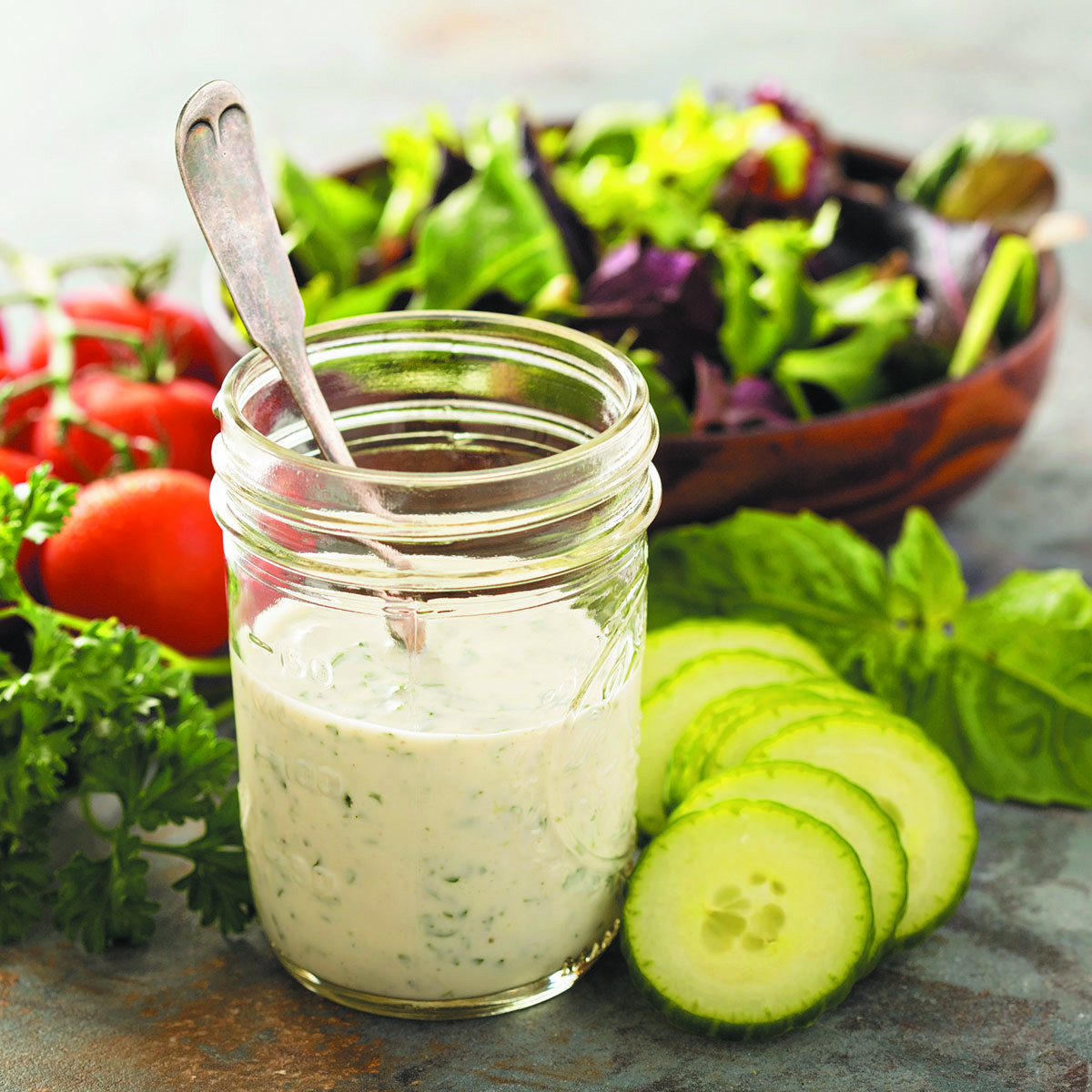
Bottled dressings are often rich sources of saturated fat, calories, sodium, and added sugar.
Image: © VeselovaElena/Thinkstock
You're eating more salad for good health. But you may be undoing the benefits when you use a store-bought salad dressing.
"I have some clients who say they'll only eat salad if they can use dressing. That can add a lot of calories, sodium, sugar, and saturated fat," says registered dietitian Kathy McManus, director of the Department of Nutrition at Harvard-affiliated Brigham and Women's Hospital.
CoQ10: Should you take this popular supplement if you're on a statin?
Microplastics: A hidden health threat?
Oat vs. dairy milk: Nutrition, benefits, and downsides
What is tempeh? Benefits, nutrition, and how to use it
Healing after food poisoning
Children of centenarians may stay healthier and live longer too, study finds
Light exposure at night may raise risk for heart disease
Whole grains may improve several heart risk factors at once
A lumbar belt may help ease low back pain
Signs of pneumonia: Sometimes vague and unexpected
Free Healthbeat Signup
Get the latest in health news delivered to your inbox!
Sign Up
