Trying to lose weight? Be careful not to lose muscle

Is your skin problem actually an autoimmune condition?
People with diabetes face higher risk of hearing loss

Antibiotic-free fixes for recurrent UTIs

Musculoskeletal syndrome of menopause: When menopause makes you ache all over

When can older women stop getting mammograms?

To lose weight, especially harmful belly fat, combine diet and exercise

Can men hold off on treating recurring prostate cancer?

The 7 types of rest and why we need them all

What are the early warning signs of cervical cancer?
Blood Pressure Archive
Articles

Getting through grief
The American Psychiatric Association has recently added prolonged grief disorder to its official list of classified mental disorders. Someone may develop this disorder when someone close has died within the past 12 months. The person may experience intense longing for the deceased or preoccupation with thoughts about him or her. These feelings occur most of the day and nearly every day for at least a month. Recognizing the signs and seeking out help with talk therapy are the best approaches to help prevent it from evolving to depression.

A look at health screenings
Men are less likely than women to get regular exams and tests, especially when they are younger. But as they age, routine screenings are essential. There are certain tests most men should have at some point, including ones for colon cancer, high blood pressure, hepatitis C, diabetes, and HIV. Other tests men should consider if they are at high risk for specific ailments, such as abdominal aortic aneurysm, hepatitis B, and lung cancer.

Exercise may heal the heart as well as prevent future problems
Exercise may help to reverse some types of heart damage. Not only can workouts prevent heart problems, but it may help to improve conditions that may raise risk for cardiovascular events. A 2021 study, for example, showed that a yearlong exercise program helped improve heart health in people who were at increased risk for heart failure.
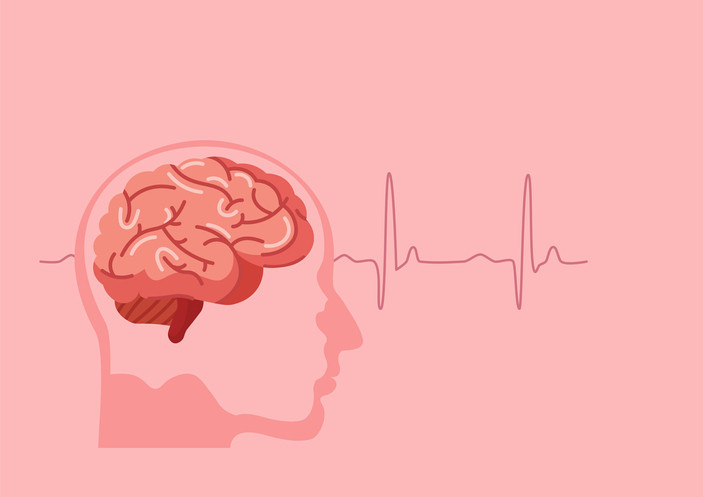
Is there such a thing as a silent stroke?
It is possible to experience a stroke without symptoms. Addressing cardiovascular risk factors can help lower the risk.

Treating low vitamin D levels may help people live longer
Treating people who have low levels of vitamin D with supplements may reduce their risk for heart attacks and death from any cause.

Seasonal changes and blood pressure
Some people with borderline high blood pressure have higher readings during winter, even high enough to need medicine to control it. In spring or summer, they might be able to reduce the dose or stop taking the medication. Losing excess weight and cutting back on salt also can help.

Don't fail your heart health
The most common type of heart failure in older adults is heart failure with preserved ejection fraction. This is caused by the heart's left ventricle not being able to relax, which means less blood enters the chamber, so less gets pumped out. Prevention and treatments continue to evolve, but include controlling blood pressure, addressing weight gain with exercise and diet, not smoking, and curbing alcohol intake.

What's the best blood pressure target for older adults?
For people over 60, aiming for a blood pressure target below 130/80 mm Hg may prevent more cardiovascular problems than aiming for the higher target suggested by some physicians. Some feared that the more intensive treatment required to reach the lower target might cause more adverse side effects (such as dizziness and falls) in older people. But side effects do not appear to differ among people taking intensive versus standard therapy.

Plant-based diet quality linked to lower stroke risk
People who ate healthy plant-based foods had a 10% reduction in stroke risk, compared with people who ate unhealthy plant-based foods, according to a Harvard study published online March 10, 2021, by the journal Neurology.
Trying to lose weight? Be careful not to lose muscle
Is your skin problem actually an autoimmune condition?
People with diabetes face higher risk of hearing loss
Antibiotic-free fixes for recurrent UTIs
Musculoskeletal syndrome of menopause: When menopause makes you ache all over
When can older women stop getting mammograms?
To lose weight, especially harmful belly fat, combine diet and exercise
Can men hold off on treating recurring prostate cancer?
The 7 types of rest and why we need them all
What are the early warning signs of cervical cancer?
Free Healthbeat Signup
Get the latest in health news delivered to your inbox!
Sign Up