

CoQ10: Should you take this popular supplement if you're on a statin?

Oat vs. dairy milk: Nutrition, benefits, and downsides

Microplastics: A hidden health threat?

Healing after food poisoning

What is tempeh? Benefits, nutrition, and how to use it

Light exposure at night may raise risk for heart disease

Whole grains may improve several heart risk factors at once

A lumbar belt may help ease low back pain

Children of centenarians may stay healthier and live longer too, study finds

Signs of pneumonia: Sometimes vague and unexpected
Anxiety Archive
Articles

The buddy system
Loneliness is one of the greatest health risks facing older adults. The antidote to loneliness is more social engagement. Developing new friendships and maintaining existing ones is one of the best ways for people to remain socially active. Recreating the environments and settings where men first built long-lasting friendships, like the workplace and sports, can help them find friends and expand their social circle.

Eating ultra-processed foods tied to cognitive decline
A 2022 study of 11,000 dementia-free people found that middle-aged participants who ate the most junk food had a faster rate (up to 28%) of cognitive decline, compared with those who ate the least junk food.


Slowing down racing thoughts
Everyone has moments when their brain feels like it's gone haywire. When these racing thoughts take over the mind can't stay focused, feeding into a cycle of anxiety. But there are things you can do to break this cycle and regain control.

Can electrical brain stimulation boost attention, memory, and more?
Therapies using an electric current for brain stimulation are not new, but marketing devices for home use is a relatively recent phenomenon. While claims include better energy, focus, mood and more, current evidence doesn't support this and the FDA hasn't cleared these devices.

Anxiety overload
Anxiety often brings physical sensations ranging from dry mouth, nausea, or sweaty hands to more severe symptoms such as dizziness, shortness of breath, or a racing heart. Extreme symptoms can manifest as anxiety attacks and cause people to avoid everyday activities. Cognitive behavioral therapy (CBT) is considered the gold standard treatment for extreme anxiety. One common form of CBT involves exposing people to stressful situations to learn how to cope.

Try this: Take a seat
Regular meditation can lower blood pressure, reduce stress, and improve concentration. Practicing a simple 10-minute mantra-based meditation and observing mindfulness during everyday moments are ideal ways begin a meditation practice.

The dark side of daylight saving time
The start of daylight saving time in the spring can have a profound impact on people's well-being. Moving the clock ahead one hour can cause sleep deprivation, affect focus and concentration, and exacerbate existing problems like depression, anxiety, and seasonal affective disorder. People can lessen the effect by taking steps a week prior to the time change, such as adjusting their sleep schedule, getting more light exposure, and cutting back on caffeine and alcohol.

Hearing aids: Can they help thinking skills, too?
A 2022 review of dozens of randomized controlled trials and observational studies found that people who used hearing aids or cochlear implants had a 19% lower risk of cognitive decline, compared with people who didn't use the devices.
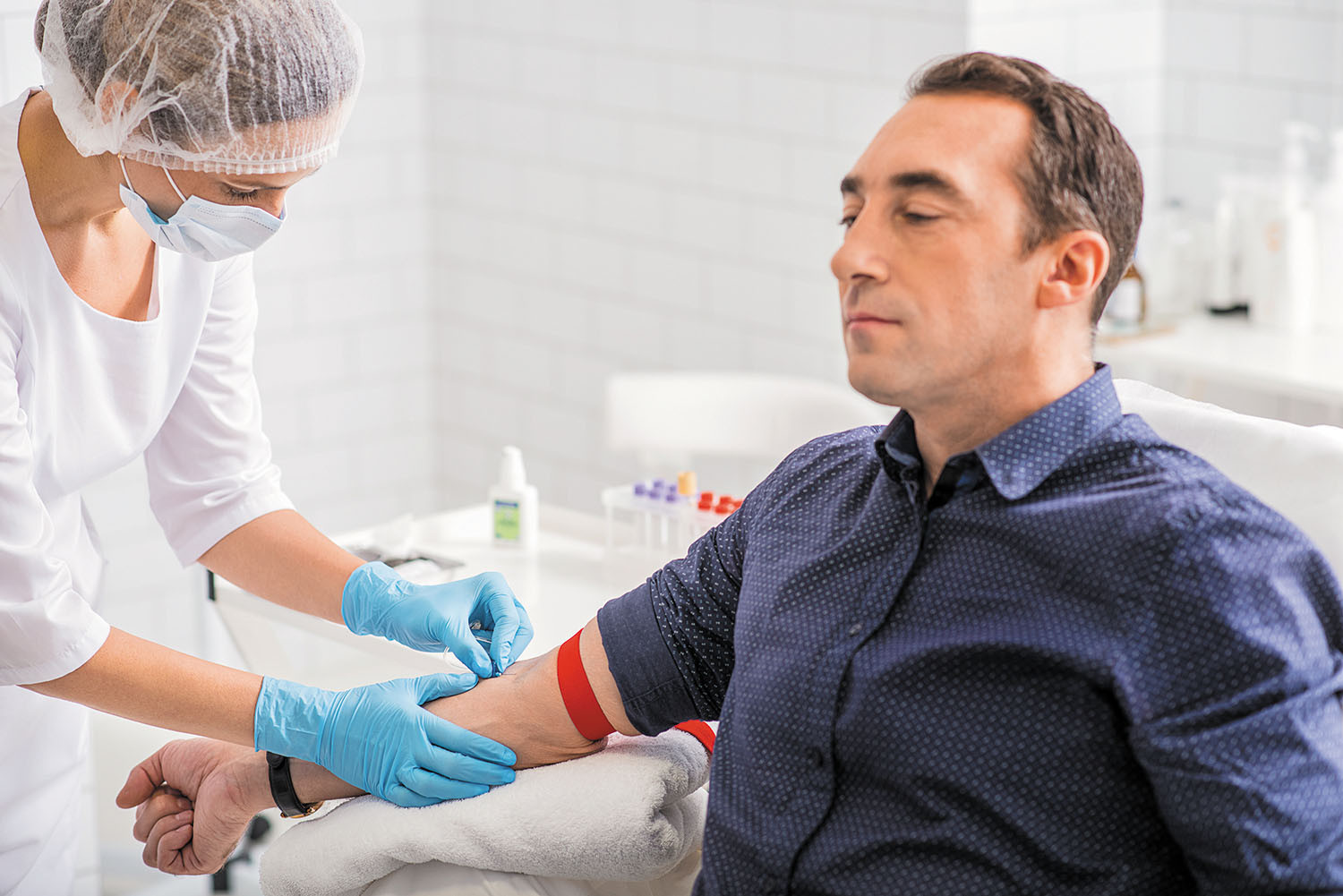
Tips to cope with medical test anxiety
Some people have anxiety about getting medical tests such as blood work, CT scans, or MRIs. When debating whether to skip a medical test due to fear, a person should get as much information as possible about the test or ask for medication to reduce pain or anxiety associated with the test. During a medical test, it may help to do relaxation exercises or focus on something fun planned for later in the day.
CoQ10: Should you take this popular supplement if you're on a statin?
Oat vs. dairy milk: Nutrition, benefits, and downsides
Microplastics: A hidden health threat?
Healing after food poisoning
What is tempeh? Benefits, nutrition, and how to use it
Light exposure at night may raise risk for heart disease
Whole grains may improve several heart risk factors at once
A lumbar belt may help ease low back pain
Children of centenarians may stay healthier and live longer too, study finds
Signs of pneumonia: Sometimes vague and unexpected
Free Healthbeat Signup
Get the latest in health news delivered to your inbox!
Sign Up
