

CoQ10: Should you take this popular supplement if you're on a statin?

Oat vs. dairy milk: Nutrition, benefits, and downsides

Microplastics: A hidden health threat?

Healing after food poisoning

What is tempeh? Benefits, nutrition, and how to use it

Light exposure at night may raise risk for heart disease

Whole grains may improve several heart risk factors at once

A lumbar belt may help ease low back pain

Children of centenarians may stay healthier and live longer too, study finds

Signs of pneumonia: Sometimes vague and unexpected
Alzheimer's Disease Archive
Articles

How to respond to tantrums

The lowdown on eye exercises
If you wear glasses or contacts, chances are you've been at least a little bit tempted to investigate the infomercials and books promoting eye exercises to improve your eyesight without surgery. Some programs even claim that faithful adherents may be able to give up their glasses. If this sounds too good to be true, that's because it is.
Purveyors of self-directed eye exercise programs have not conducted randomized trials to verify the effectiveness of their programs, and there is no medical evidence for their oft-stated claim that wearing lenses weakens the eyes and necessitates ever-stronger prescription eyewear. Furthermore, some programs are based on ideas that don't quite square with the anatomy and physiology of vision.

Testing for dementia
If you or someone else suspects early signs of memory loss, here's how you can find out if there's a problem.
There's no cure for dementia, and you cannot substantially reverse its effects, but there are ways to possibly slow its progression. But first, you need to know if you — or a loved one — may have a memory disorder. "Unfortunately, there is not one single test that confirms dementia while you are alive," says Dr. Julie Brody Magid, clinical director of the Harvard-affiliated McLean Hospital Memory Disorders Assessment Clinic. "The testing process is multilayered and takes many things into consideration. Going through this evaluation may help identify memory problems before they get worse."
Know the symptoms
Symptoms of dementia include memory loss, problem-solving difficulties, and language issues. Behavior and emotions also can be affected. Symptoms are often subtle early on, and then get progressively worse. They can increasingly interfere with daily life tasks, like remembering to attend appointments, take medication, or pay bills. People also may have trouble preparing meals or driving safely.
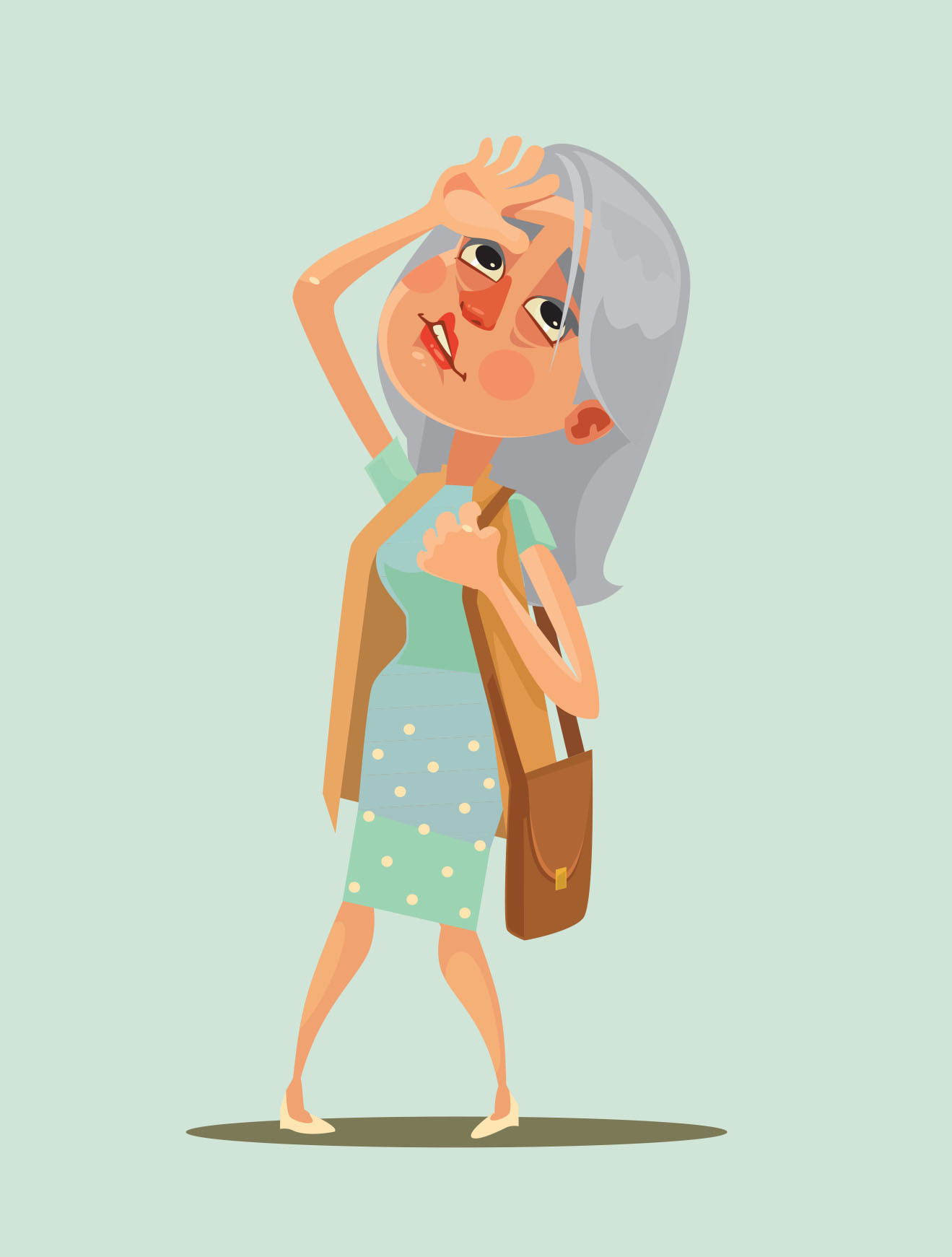
Should I be concerned about my fainting spell?
Ask the doctors
Q. I had a fainting spell the other day. Should I be concerned? What should I do?
A. Fainting, which your doctor may refer to using the medical term syncope, is not uncommon. Experts say as many as one in three adults experiences at least one fainting spell over time. In most cases, it's not related to a serious medical condition, but if you faint, you should always get an evaluation by a doctor to rule out more serious causes, including heart-related problems.

5 ways to dodge incontinence
Most people take bladder control for granted — until the unintended loss of urine interrupts the ability to carry on an ordinary social and work life.
Often, the causes of incontinence are out of a person's control. For example, in women, incontinence is a common side effect of childbirth. For men, it's often a side effect of treatment for prostate problems.
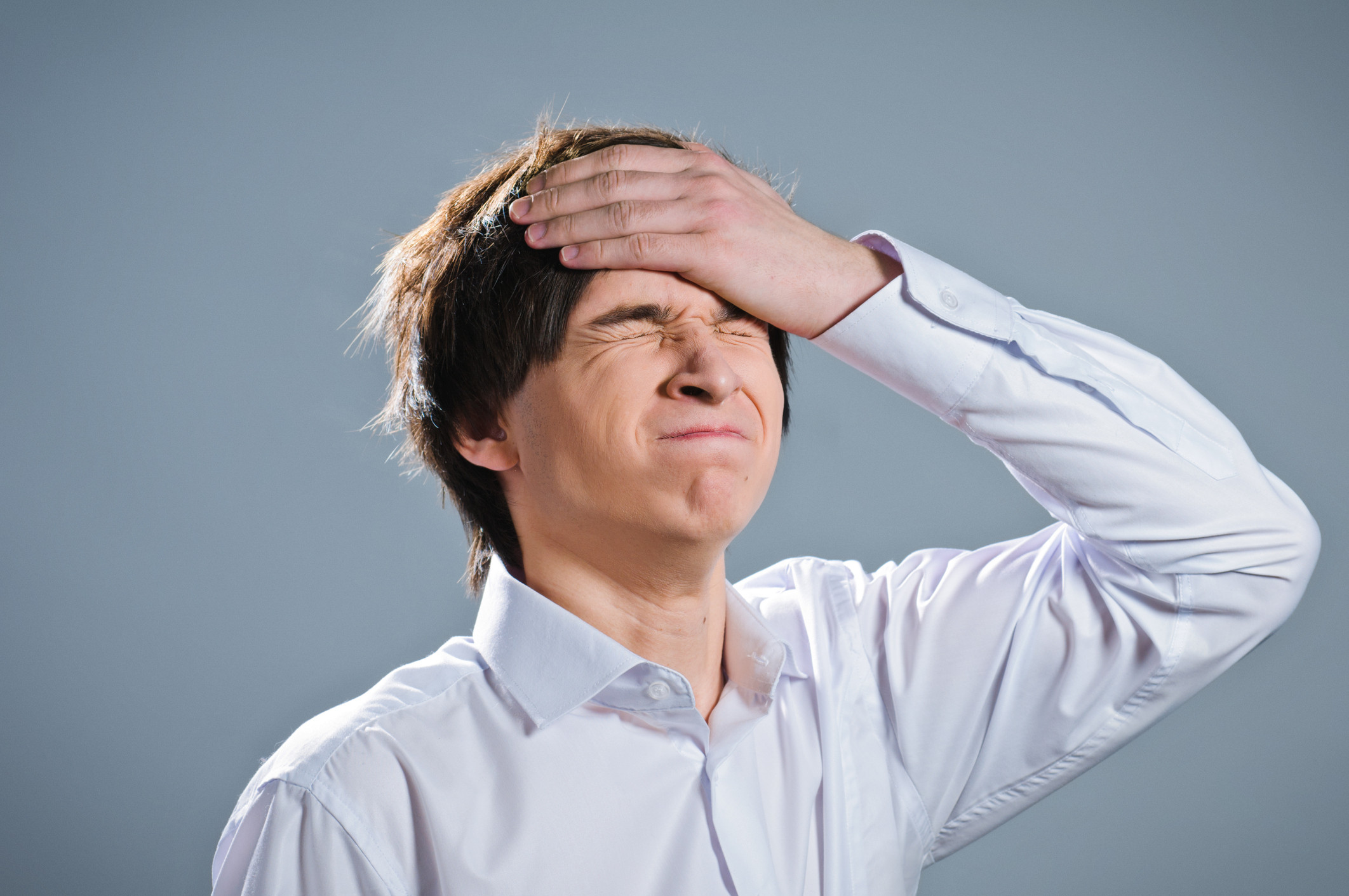
7 common causes of forgetfulness
Memory slips are aggravating, frustrating, and sometimes worrisome. When they happen more than they should, they can trigger fears of looming dementia or Alzheimer’s disease. But there are some treatable causes of forgetfulness.

What you need to know about COVID-19 if you have diabetes
Some data suggest that people with diabetes who get COVID-19 are more likely to have serious complications or to die. If you have diabetes, you need to take steps to reduce your risk of getting sick.

Always worried about your health? You may be dealing with health anxiety disorder
Health anxiety can interfere with your life, but it's highly treatable.
Image: © XiXinXing/Getty Images
You spend hours on the Internet researching health information. When you get a scratchy throat you automatically think cancer — not a cold. And even when medical tests come back showing that you're healthy, it doesn't make you feel better. In the back of your mind you still feel like something is wrong.
If this sounds like you or a loved one, it may be health anxiety.

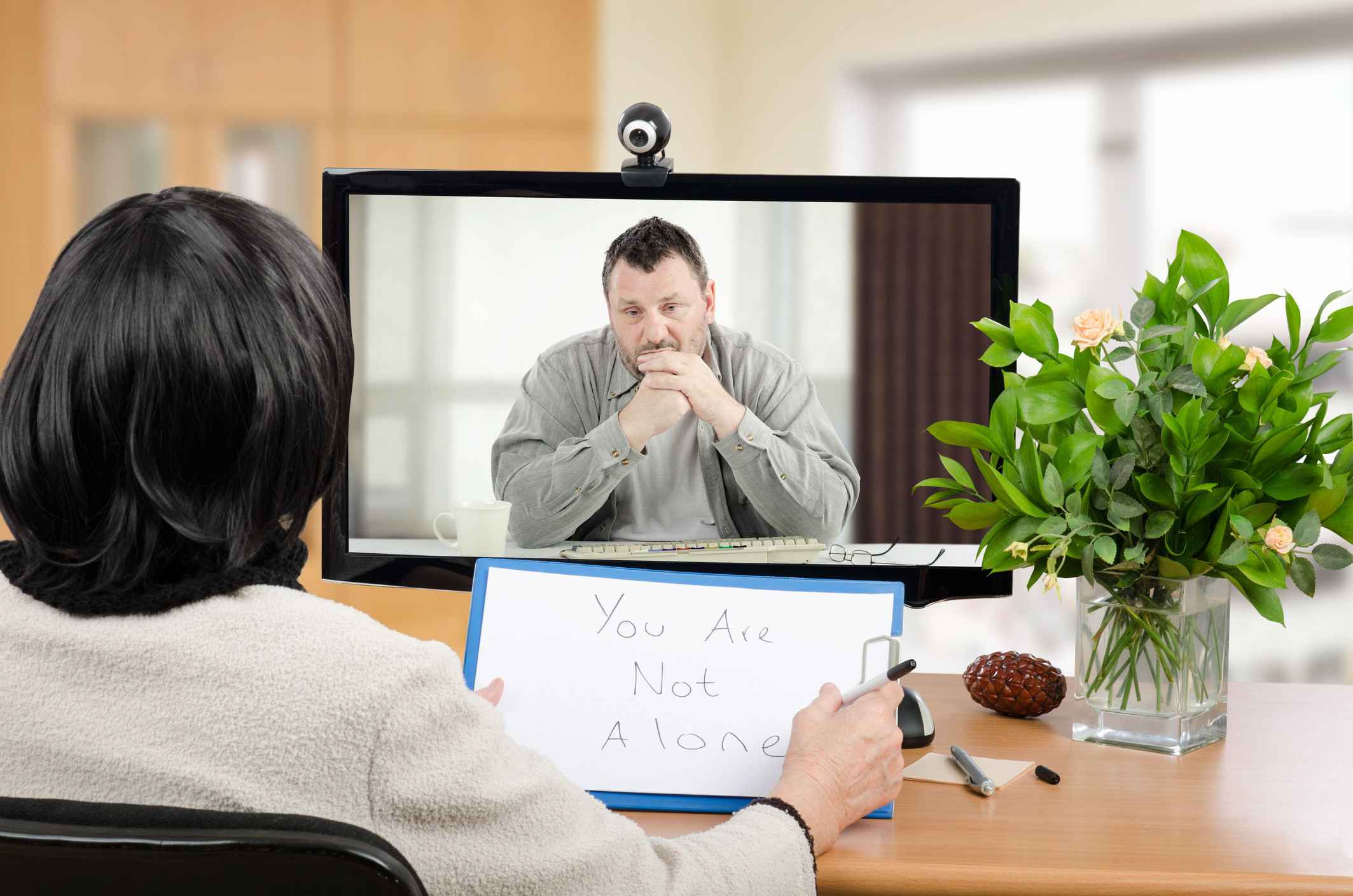
Recovering from addiction during a time of uncertainty and social distancing
Because the very nature of recovery support involves face-to-face interaction, whether in support group meetings or dispensing medication, it is at odds with the need for social distancing during the COVID-19 crisis, creating barriers to receiving support and maintaining recovery.
CoQ10: Should you take this popular supplement if you're on a statin?
Oat vs. dairy milk: Nutrition, benefits, and downsides
Microplastics: A hidden health threat?
Healing after food poisoning
What is tempeh? Benefits, nutrition, and how to use it
Light exposure at night may raise risk for heart disease
Whole grains may improve several heart risk factors at once
A lumbar belt may help ease low back pain
Children of centenarians may stay healthier and live longer too, study finds
Signs of pneumonia: Sometimes vague and unexpected
Free Healthbeat Signup
Get the latest in health news delivered to your inbox!
Sign Up
