

CoQ10: Should you take this popular supplement if you're on a statin?

Oat vs. dairy milk: Nutrition, benefits, and downsides

Microplastics: A hidden health threat?

Healing after food poisoning

What is tempeh? Benefits, nutrition, and how to use it

Light exposure at night may raise risk for heart disease

Whole grains may improve several heart risk factors at once

A lumbar belt may help ease low back pain

Children of centenarians may stay healthier and live longer too, study finds

Signs of pneumonia: Sometimes vague and unexpected
Alzheimer's Disease Archive
Articles

Larger waist size may point to dementia risk
In the journals
Older adults with a healthy weight but a large waistline could have a higher risk of developing dementia, according to a recent study.
Weight gain and obesity are known risk factors for dementia, and body mass index (BMI) is often used to estimate excess body fat. (BMI is a measure that takes into account both weight and height.)

Finding meaning in life could improve your health
In the journals
Do you feel you have a purpose in your life — or perhaps think you will never find one? The answer could influence your overall well-being, says a recent study in the January/February 2020 issue of The Journal of Clinical Psychiatry.
Researchers asked 1,042 adults, average age 65, to fill out questionnaires about meaning in their lives, and compared their responses with data on their physical and mental well-being. Respondents who believed they had meaning in their life had better physical and mental health scores and higher cognitive function compared with those who didn't.
Are varicose veins a health risk?
Ask the doctors
Q. I have a lot of varicose veins. Do they present any sort of a health risk?
A. Varicose veins are typically viewed as a mild, non-life-threatening condition that is more of a cosmetic annoyance than a serious health problem. That said, varicose veins can be associated with some health-related issues, such as swelling in the legs, blood clots, or damage to the skin caused by pressure from the veins. They may also make you more prone to skin damage, infections, and ulcers.

Apps to keep us connected in a time of social distancing
The challenge of being isolated from loved ones and friends can be eased by using any of several different apps that enable various types of communication, including video calls and messages.
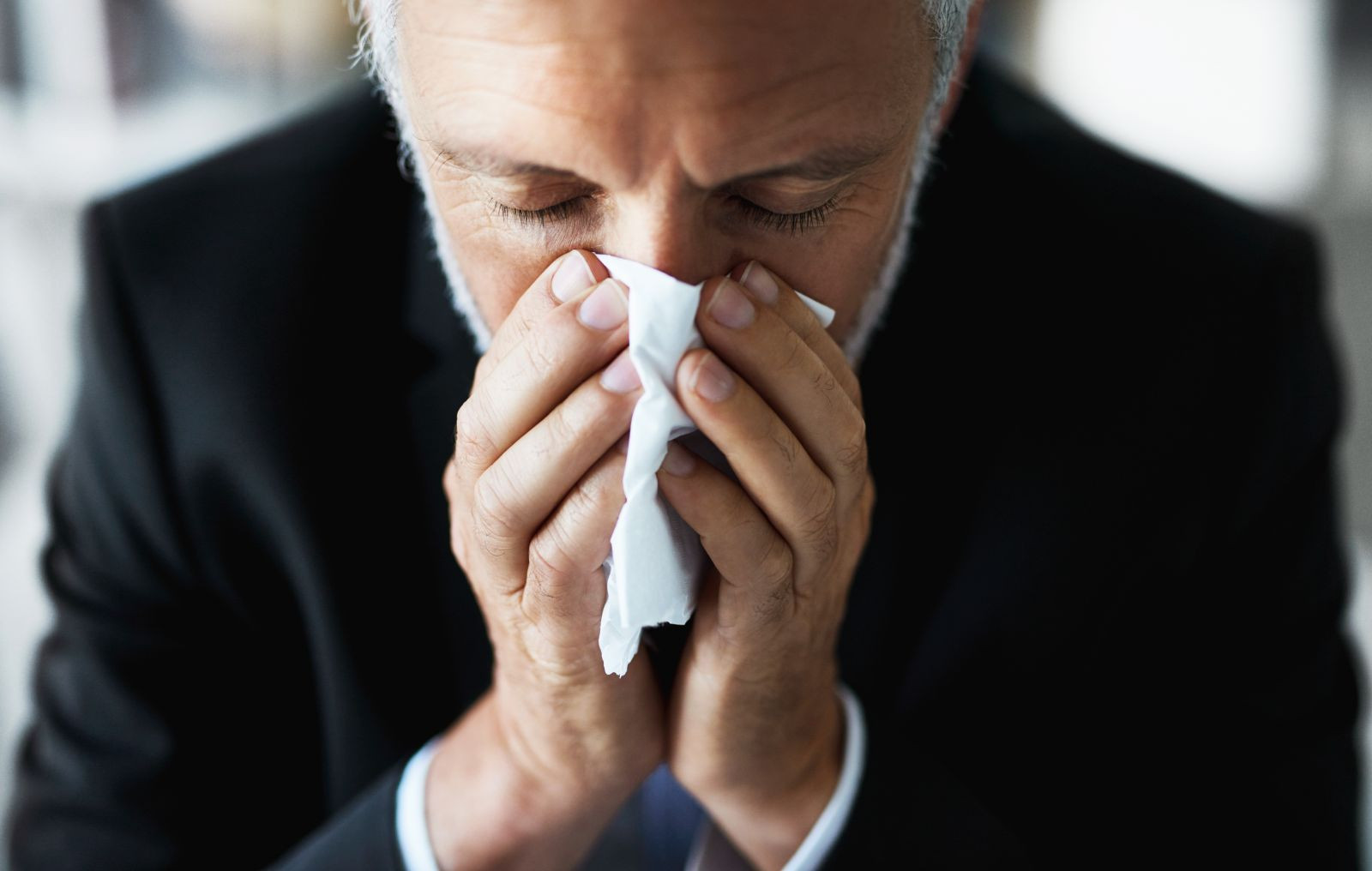
Allergic rhinitis: Your nose knows
Allergic rhinitis, commonly called hay fever, can be a minor seasonal nuisance or a troubling year-round problem. Most people can find relief by taking an antihistamine and by avoiding the allergens that trigger the irritation.
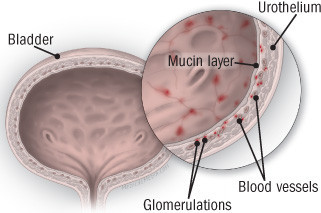
Diagnosing and treating interstitial cystitis
Also called painful bladder syndrome, this frustrating disorder disproportionately affects women.
Interstitial cystitis is a chronic bladder condition that causes recurring bouts of pain and pressure in the bladder and pelvic area, often accompanied by an urgent and frequent need to urinate — sometimes as often as 40, 50, or 60 times a day, around the clock. Discomfort associated with interstitial cystitis can be so excruciating that, according to surveys, only about half of people with the disorder work full-time. Because symptoms are so variable, experts today describe interstitial cystitis as a member of a group of disorders collectively referred to as interstitial cystitis/painful bladder syndrome. (In this article, we'll call it interstitial cystitis, or IC.)
Among the one to two million Americans with IC, women outnumber men by as much as eight to one, and most are diagnosed in their early 40s. Several other disorders are associated with IC, including allergies, migraine, irritable bowel syndrome, fibromyalgia (a condition causing muscle pain), chronic fatigue syndrome, and vulvodynia (pain or burning in the vulvar area that isn't caused by infection or skin disease).

What works best for treating depression and anxiety in dementia?
There is evidence that antidepressants are not effective in older people with dementia. Emerging research suggests that nondrug, psychosocial interventions are the most effective treatments for depression or anxiety in older adults with cognitive impairment.

How to talk to teens about the new coronavirus

Should I take blood pressure medications at night?
Ask the doctor
Q. I've taken blood pressure medicines every morning for many years, and they keep my pressure under control. Recently, my doctor recommended taking them at bedtime, instead. Does that make sense?
A. It actually does make sense — based on recent research. For many years, there have been at least three theoretical reasons for taking blood pressure medicines before bedtime. First, a body system that strongly affects blood pressure, called the renin-angiotensin system, has its peak activity during sleep. Second, circadian rhythms cause differences in the body chemistry at night compared with daytime. Third, most heart attacks occur in the morning, before medicines taken in the morning have a chance to "kick in."

Meditation may help you catch mental mistakes
In the journals
If you want to make fewer mental mistakes, try meditation, suggests a study in the September 2019 issue of Brain Sciences.
Researchers recruited 200 people who had never meditated and led them through a guided 20-minute meditation called open monitoring. While many styles of meditation have you focus on a single object, like your breathing or a visual image, the goal of open monitoring meditation is to pay more attention to your feelings and body sensations.
CoQ10: Should you take this popular supplement if you're on a statin?
Oat vs. dairy milk: Nutrition, benefits, and downsides
Microplastics: A hidden health threat?
Healing after food poisoning
What is tempeh? Benefits, nutrition, and how to use it
Light exposure at night may raise risk for heart disease
Whole grains may improve several heart risk factors at once
A lumbar belt may help ease low back pain
Children of centenarians may stay healthier and live longer too, study finds
Signs of pneumonia: Sometimes vague and unexpected
Free Healthbeat Signup
Get the latest in health news delivered to your inbox!
Sign Up
