










Sleep apnea linked to mental health conditions in middle and older age
News briefs
- Reviewed by Robert H. Shmerling, MD, Senior Faculty Editor, Harvard Health Publishing; Editorial Advisory Board Member, Harvard Health Publishing
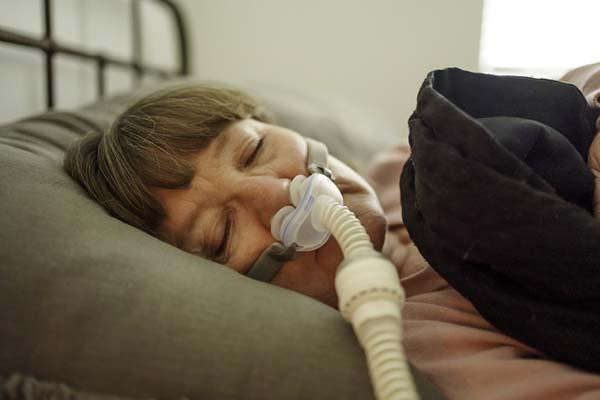
Here's incentive to get signs of obstructive sleep apnea (OSA) checked out. OSA is characterized by frequent pauses in breathing during sleep, and it's tied to increased risks for high blood pressure, heart disease, stroke, and diabetes. A study published Dec. 26, 2025, in JAMA Network Open found that OSA may also be linked to depression and other mental health problems.
For the study, researchers analyzed health data from a long-term study on aging, which included over 30,000 people who were 45 to 85 years old when the study began. Because OSA often goes undiagnosed, the researchers used a tool that measures a person's risk for the condition. High risk is defined as having two or more of the following: snoring, daytime sleepiness, apnea witnessed by another person, and high blood pressure. This applied to about 23% of participants when the study began and 27% three years later. At both points, those at high risk of OSA had about 40% higher odds of having depression, another mood disorder (such as bipolar disorder or mania), or an anxiety disorder (such as a phobia or obsessive-compulsive disorder), compared with people who did not meet the definition.
Image: © grandriver/Getty Images
About the Author

Lynne Christensen, Staff Writer
About the Reviewer

Robert H. Shmerling, MD, Senior Faculty Editor, Harvard Health Publishing; Editorial Advisory Board Member, Harvard Health Publishing
Disclaimer:
As a service to our readers, Harvard Health Publishing provides access to our library of archived content. Please note the date of last review or update on all articles.
No content on this site, regardless of date, should ever be used as a substitute for direct medical advice from your doctor or other qualified clinician.


