The latest advances in colorectal cancer screening
From stool tests to blood tests, the range of options for detecting this malignancy is broadening.
- Reviewed by Lawrence S. Friedman, MD, Contributor; Editorial Advisory Board Member, Harvard Health Publishing
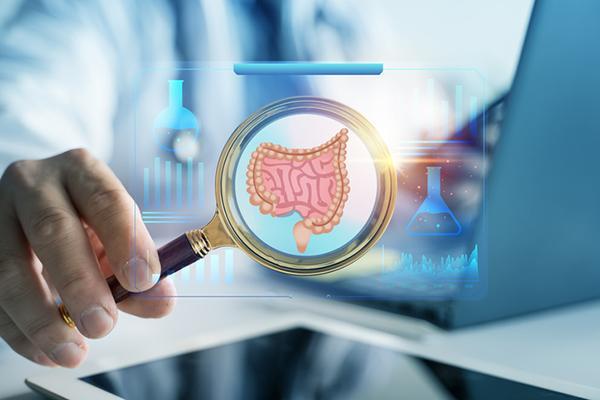
Amid rapid change, certain facts about colorectal cancer persist: it remains one of the deadliest cancers in the United States, and it’s highly treatable when caught early.
But other notable aspects are in flux. Younger adults are dying of the disease at far higher rates than just a few decades ago. Colorectal cancer is now the top cause of cancer deaths in the United States in people under 50, climbing from fifth-highest in the early 1990s, according to a study published online Jan. 22, 2026, by JAMA.
A major impediment to lowering those numbers lies in colorectal cancer screening — which many people avoid because of discomfort or inconvenience. That stark reality drives a continued effort to expand and improve screening tests, says gastroenterologist Dr. Lawrence Friedman, the Anton R. Fried Chair of Medicine at Harvard-affiliated Newton-Wellesley Hospital.
Screening needs to continue to evolve because the number of people getting recommended colonoscopy screening has been “disappointing,” says Dr. Friedman, who is also the assistant chief of medicine at Massachusetts General Hospital. “We had expected that by the 2020s, 80% of the population would be screened at the appropriate time. It turns out that number is only about 60%,” he says.
“All screening tests have pros and cons, but all have some benefit in detecting colorectal cancer at an early, curable stage,” he says. “That’s why there’s this push to keep giving people more options.”
Grave tollAn estimated 159,000 Americans will be diagnosed with colon or rectal cancer in 2026, according to the American Cancer Society, and about 55,000 will die from the disease. |
Colonoscopy improvements
The increase in colorectal cancer death rates among younger adults spurred recent changes in colon cancer screening guidelines. As of 2021, the US Preventive Services Task Force recommends that screening start at age 45 for average-risk adults — that is, those who haven’t yet had any precancerous growths (called polyps) and have no strong family history of the disease.
Colonoscopy screening, in which your doctor uses a special viewing tool to peer inside your colon and rectum, remains the gold standard, since it enables the doctor to detect and remove polyps in a single procedure. Colonoscopy spots 95% of the cancers present in people who have the procedure.
But colonoscopy requires you to cleanse your gut beforehand with a cumbersome process (called “prep” for short) that involves drinking large amounts of often bad-tasting liquids and spending hours in or near a bathroom. In response, bowel prep methods have become more tolerable in recent years with the introduction of better-tasting preparations and the option of split dosing, which doesn’t require drinking 4 liters of fluid at one time.
Meanwhile, computer-aided diagnostic techniques have improved polyp detection, and doctors now spend more time examining the colon. “All of that has combined to make colonoscopy more desirable and more effective,” he says.
Convenient alternatives
An increasing array of alternatives to colonoscopy screening offer more convenience, though they’re generally not as effective as colonoscopy at detecting abnormalities, and they come with other drawbacks. The following are options for people considered at average risk of colorectal cancer.
At-home stool tests. There are two types of these:
- An annual fecal immunochemical test (FIT) uses antibodies to detect hidden blood in the stool.
- A stool DNA test looks for both blood and genetic markers from cancer cells in the stool. The newest option, Cologuard Plus, has proved about 94% accurate in trials. You need to repeat this type of test every three years.
At-home tests are convenient and noninvasive, Dr. Friedman says. But they’re less effective at detecting polyps.
In-office blood test. In July 2024, the FDA approved the first blood test for colorectal cancer screening. Called Shield, it detects tumor DNA fragments circulating in blood and can be done during a routine doctor visit. It’s about 84% accurate in identifying colorectal cancer.
Shield is an appealing option, Dr. Friedman says, because there’s no stool collection or bowel prep. But, like stool tests, it can’t reliably detect polyps — much less allow for their removal, as colonoscopy can.
“If any of these alternative screening tests is positive, you’re going to have to get that colonoscopy you may have tried to avoid,” he says. “I like to think of colonoscopy as ‘one-stop shopping.’”
Choosing the right test
Ultimately, the best screening test is the one you’ll complete, Dr. Friedman says. While your choice may be influenced by factors such as ease, frequency, and accuracy, it’s likely that any past experience with testing — such as colonoscopy prep — also plays a role.
“If you have a family history of colorectal cancer, or of high-risk polyps at an early age, you really should have a colonoscopy,” he says.
Image: © jittawit.21/Getty Images
About the Author

Maureen Salamon, Executive Editor, Harvard Women's Health Watch
About the Reviewer

Lawrence S. Friedman, MD, Contributor; Editorial Advisory Board Member, Harvard Health Publishing
Disclaimer:
As a service to our readers, Harvard Health Publishing provides access to our library of archived content. Please note the date of last review or update on all articles.
No content on this site, regardless of date, should ever be used as a substitute for direct medical advice from your doctor or other qualified clinician.