










How the gut-brain connection influences mood
What happens in your digestive tract may contribute to feelings such as happiness and hopefulness, as well as anxiety and irritability.
- Reviewed by Jun Huh, PhD, Contributor
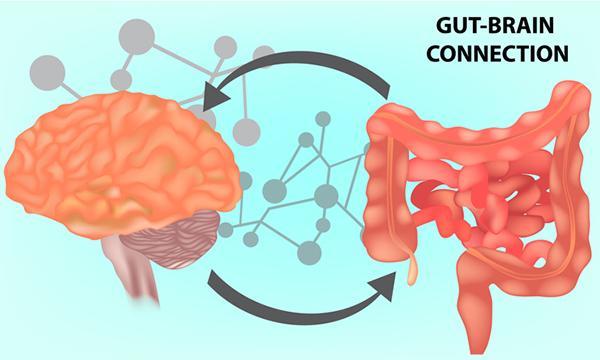
Modern-day expressions suggest we’re innately attuned to the relationship between our brain and our gut. When we’re nervous, we might say we have “butterflies.” When we make a decision, we often attribute it to a “gut feeling.”
Indeed, science supports the notion that the gut and brain are intricately connected and that problems in the digestive tract such as gut inflammation can influence your mood in meaningful ways, says Jun Huh, an associate professor of immunology at Harvard Medical School whose research explores how the gut, immune system, and brain are connected.
The brain communicates with the gastrointestinal tract through a connection scientists have dubbed the gut-brain axis. “Just like our skin, eyes, and ears send messages to the brain, the gut and the brain are also constantly talking to each other,” Huh explains. “When things go awry, that can lead to real issues in our health and everyday life.”
Communication pathways
How does the gut-brain axis work? The lining of the digestive tract is populated with trillions of bacteria and other microbes collectively known as the gut microbiome. Gut tissue is also packed with immune cells that migrate throughout the body, Huh says.
Gut inflammation occurs when the lining of the gut is irritated by triggers such as infection, stress, highly processed foods, allergies, excess alcohol, heredity, or conditions like inflammatory bowel disease. It influences the brain through several routes:
It stimulates an immune response. Immune cells in the gut race through the bloodstream toward the brain, secreting molecules that carry distress calls and altering brain signals involved in mood. “Immune cells are like an Amazon Prime truck that delivers an item the next day,” Huh says.
It disrupts mood-related chemicals. While serotonin, which helps regulate mood, is known as a brain chemical, the vast majority of it is produced in the digestive tract. Inflammation may alter the production of serotonin and other brain chemicals in the gut.
It alters the microbiome. Fewer “good” bacteria, and more harmful ones, proliferate when the digestive tract is inflamed, causing a ripple effect that skews communication between the gut and brain.
It affects nerve pathways between the brain and the gut. The brain has dedicated routes, such as the vagus nerve, which facilitates communication between the brain and various organs, to send and receive messages to and from the gut. Unlike immune cells, these nerve connections act like a direct highway — “much like the Mass Pike linking Boston with many other cities,” Huh says.
Evolving research
Research is increasingly delving into the emotional ramifications of the gut microbiome and how inflammation factors in.
Certain gut bacteria appear to promote positive feelings, according to a 2023 study in the journal Psychological Medicine. The analysis, which involved more than 200 women who provided stool samples and completed questionnaires about their mood, suggested specific gut microbes were linked with emotions such as happiness and hopefulness.
Other research, Huh says, has suggested that disturbances in the gut microbiome can lead to negative emotions such as anxiety, irritability, sadness, or feeling overwhelmed.
“Many different types of mood can be shaped by what’s happening in the gut,” he says. “I don’t think we know enough at this point about all the ways mood is influenced by the gut environment, but I wouldn’t be surprised in the future if characteristics we attribute to personality — such as being ambitious — are at least partly attributable to the makeup of your gut.”
Inflammation-soothing habitsHere are ways to tamp down inflammation in your gut, along with the rest of your body, that may benefit both your physical and emotional health. Get regular exercise. Scientists believe physical activity helps optimize the balance of bacteria and other microbes in the gut microbiome. Make time for adequate sleep. Poor sleep increases bodywide inflammation levels. Aim for seven to eight hours per night. Eat anti-inflammatory foods. These healthy choices include leafy greens, cruciferous vegetables, fruits, whole grains, legumes, nuts, seeds, and healthy oils. Limit alcohol. It’s considered an inflammatory substance. Practice stress-reduction measures. These include deep breathing, meditation, and journaling. |
Image: © Sakurra/Getty Images
About the Author

Maureen Salamon, Executive Editor, Harvard Women's Health Watch
About the Reviewer

Jun Huh, PhD, Contributor
Disclaimer:
As a service to our readers, Harvard Health Publishing provides access to our library of archived content. Please note the date of last review or update on all articles.
No content on this site, regardless of date, should ever be used as a substitute for direct medical advice from your doctor or other qualified clinician.


