










Understanding organic foods
- Reviewed by Mallika Marshall, MD, Contributing Editor
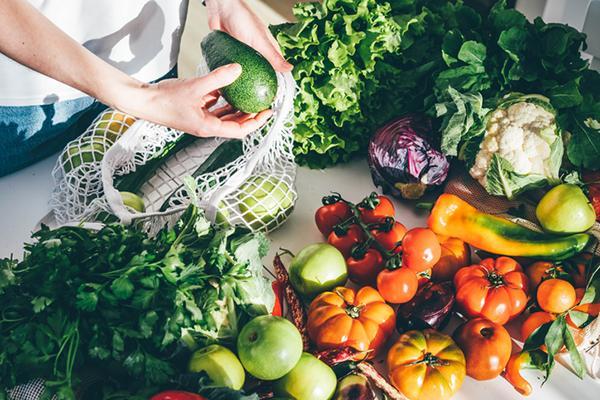
Over the past decade, the number of organic foods available at the grocery store has increased significantly. You'll find everything from produce to meat to packaged snack foods.
However, when compared with non-organic foods, organic options can be quite expensive. So when it comes to making choices at the grocery store, how do you know which choice is best for both your body and your wallet?
The meaning of organic
Products marketed as organic must meet certain standards and regulations set by the U.S. Department of Agriculture (USDA).
Organic crops are grown without using
- pesticides
- synthetic fertilizers
- Ionizing radiation.
Also, genetic engineering and synthetic substances are prohibited in packaging of organic foods.
To be raised organically, animals must be
- fed organic feed
- allowed access to the outdoors
- given no antibiotics or growth hormones.
How can I be sure I am buying organic?
In addition to regulations for growing organic crops and raising organic animals, the USDA also has standards for labeling organic products. They are labeled based on the percentage of organic ingredients they contain.
- 100% Organic: These products contain only organic ingredients. They may display the "USDA Organic" seal.
- Organic: These products contain at least 95% organic ingredients. They may also display the "USDA Organic" seal.
- Made with organic ingredients: These products contain 70% to 95% organic ingredients. They cannot display the "USDA Organic" seal.
- Products containing less than 70% organic ingredients can only use the term "organic" to describe the organic ingredients within the ingredients list. They cannot display the "USDA Organic" seal.
- "Natural" does not mean organic. The term "natural" usually means the product has no artificial colors, flavors, or preservatives, but this is not regulated by the USDA. It may appear on food labels without meeting organic standards.
Is organic food healthier or more nutritious?
Many people believe the term organic means food is healthier. In fact, organic only means that a food was grown or raised according to certain standards. It does not describe the quality of the food or its nutrient content.
With that said, research has shown that some organic products have slightly more vitamins, minerals, and phytonutrients (compounds in plants that protect against certain diseases) than conventionally grown produce. However, it is unclear whether there is a true health benefit to eating organic. One thing is for certain: choosing any produce, organic or non-organic, will provide important vitamins, minerals, and phytonutrients.
What about pesticides and antibiotics?
Many people believe that by choosing organic they are eating safer foods. It's true that by choosing organic they are limiting their exposure to pesticides. But the term organic doesn't reflect how safe food is.
In conventional farming, pesticides are used to protect the crops from a variety of diseases and insects. Because these may be sprayed directly onto the plant, some of the produce may have pesticide residue. The data from the USDA show that while organic produce has fewer pesticide residues than conventionally grown produce, the amounts for both are below the level for safe consumption. As for additives, hormones, and antibiotics, these are prohibited from organic farms. But there are not enough data to determine whether consuming only organic animal products has benefits.
Making the organic decision
Organic foods are often more costly. For many people, going entirely organic is just not in the budget. So, to balance the costs with benefits, pick and choose which types of produce to buy organic.
Each year, the USDA releases a list of the conventionally-grown produce that tends to be the most and least contaminated with pesticides. The Environmental Working Group calls these the Dirty Dozen and the Clean 15. The produce on the Dirty Dozen list is that which is most likely to contain pesticide residue. When possible, buy the organic versions of these. The Clean 15 are those varieties least likely to contain pesticide residue. Spending the extra money on organic may not be as beneficial with these.
Whether conventional or organic, fruits and vegetables have health and nutrition benefits that outweigh the potential risks.
Image: © Maria Korneeva/Getty Images
About the Reviewer

Mallika Marshall, MD, Contributing Editor
Disclaimer:
As a service to our readers, Harvard Health Publishing provides access to our library of archived content. Please note the date of last review or update on all articles.
No content on this site, regardless of date, should ever be used as a substitute for direct medical advice from your doctor or other qualified clinician.


