

Even a little exercise linked with lower stroke risk in people with afib

Testosterone therapy without evidence of deficiency may boost heart risk

Weight-loss drug may lower risk of heart attacks and infections

What to eat on the DASH diet

Migraine: How it's diagnosed and what that means

Tricep workouts you can do at home

Mindfulness practices to reduce stress and improve focus

Antihistamines may not offer meaningful relief from eczema symptoms

Overweight and taking blood pressure medications: Study finds it's a trend that's working

FDA approves first mRNA-based flu vaccine
Vitamins, minerals & supplements Archive
Articles
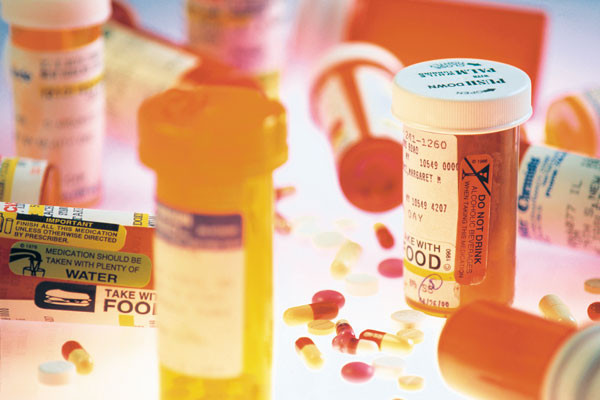
What you need to know if you’re taking multiple medications
To stay on your regimen, you'll have to be organized and learn about each of your drugs.
Many older adults take five or more prescription medications, increasing the risk of harmful drug interactions.
Image: Comsstock/Thinkstock
Taking several types of medications can be challenging. But this is something you have to get right. If you don't, you may have unwanted side effects, or you may not properly treat your chronic condition. "I see people who average 15 medications, and it's very difficult for them to juggle that many pills," says Joanne Doyle Petrongolo, a pharmacist at Harvard-affiliated Massachusetts General Hospital.

Harvard study links aspirin therapy and cancer prevention
News Briefs
Image: DimaSobko/Thinkstock
A Harvard study published March 3, 2016, in JAMA Oncology adds to increasing evidence that aspirin use may help stave off colorectal cancer and suggests that aspirin is also associated with a small reduction of overall cancer risk.
Researchers looked at aspirin use among almost 136,000 men and women in two studies over 32 years. They noted that regular aspirin use—taking either a 325-mg tablet or an 81-mg tablet two or more times per week—was associated with a 3% reduction in cancers over all, although they saw no effect on major cancers like those of the breast, prostate, or lung. The researchers say the overall reduction was due mostly to a 15% risk reduction for gastrointestinal cancer and a 19% risk reduction for colorectal cancer.

New guidelines: Avoid opioids for chronic pain
News Briefs
The CDC wants doctors to stop treating chronic pain by prescribing opioids, such as oxycodone (OxyContin). The CDC published guidelines on opioid prescription March 15, 2016, in The Journal of the American Medical Association. Opioids are powerful painkillers typically used to treat severe pain after surgery or pain with terminal illness, and sometimes used to treat chronic pain. But long-term use of these drugs comes with the risk of dependence, addiction, overdose, and death, as we reported in March.
The CDC is recommending that doctors instead treat chronic pain with non-opioid painkillers, such as acetaminophen (Tylenol) or ibuprofen (Advil); anticonvulsants (gabapentin or pregabalin); tricyclic antidepressants; or serotonin-norepinephrine reuptake inhibitors. The CDC also suggests treating chronic pain with nondrug therapies, such as physical therapy. If you and your doctor feel the benefits of opioid therapy outweigh the risks, the CDC urges doctors to prescribe the lowest effective dose, and reassess risks and benefits at least every three months. The recommendation is not intended for people taking opioids for terminal illness or palliative care.
Debunking misconceptions around addiction
Dr. Michael Bierer explains the most common misconception about addiction and offers tips for recognizing if you might be developing an addiction.
Treatments for opioid medication addictions
Dr. Wynne Armand talks with Dr. Terry Schraeder about the increase in opiod addictions and shares prevention and treatment methods for those experiencing an addiction to prescription opioid medication.
Uncover the hidden sugar in your foods
Dr. Terry Schraeder and Uma Naidoo, MD, instructor in psychiatry at Harvard Medical School and a professional chef, discuss the significant amount of hidden sugar in everyday food and drinks.

Let's do lunch — the healthy way
From fast-food restaurants and delis exploding with high-calorie sandwiches to salad bars stocked with high-fat and high-sugar add-ons, lunchtime can be a minefield of temptation for those trying to eat a healthy and balanced diet.
But a healthful — and enjoyable — lunch can be done. These simple tips can help.

A new look at testosterone therapy
Declining testosterone is a normal part of aging, but is replacement therapy right for you? Here is what you need to know.
Image: aquarius83men/Thinkstock
Testosterone replacement therapy (TRT) has surged in popularity over the past decade. Millions of older men have turned to TRT to restore hormone levels in hopes of refueling energy and reigniting their sex drive.
Yet TRT remains controversial because of its uncertain benefits and potential health risks. Safety concerns were raised years ago when studies showed a possible association between TRT and an increased risk of cardiovascular disease.

Too much of a good thing?
Proton-pump inhibitors are among the most-prescribed medications, but is long-term use safe?
Proton-pump inhibitors reduce stomach acid, which helps to treat symptoms of acid reflux.
Image: kamontad123/Thinkstock
Proton-pump inhibitors (PPIs), which are used to treat a variety of gastrointestinal problems, are among the most popular drugs in the United States. In fact, the FDA estimates about one in 14 Americans has used a PPI.

Drink more water to cut calories, fat, and sugar?
Increasing daily water intake by one, two, or three cups daily can help reduce total calorie intake and lower a person’s intake of saturated fat, sugar, sodium, and cholesterol.
Even a little exercise linked with lower stroke risk in people with afib
Testosterone therapy without evidence of deficiency may boost heart risk
Weight-loss drug may lower risk of heart attacks and infections
What to eat on the DASH diet
Migraine: How it's diagnosed and what that means
Tricep workouts you can do at home
Mindfulness practices to reduce stress and improve focus
Antihistamines may not offer meaningful relief from eczema symptoms
Overweight and taking blood pressure medications: Study finds it's a trend that's working
FDA approves first mRNA-based flu vaccine
Free Healthbeat Signup
Get the latest in health news delivered to your inbox!
Sign Up
