

Even a little exercise linked with lower stroke risk in people with afib

Testosterone therapy without evidence of deficiency may boost heart risk

Weight-loss drug may lower risk of heart attacks and infections

What to eat on the DASH diet

Migraine: How it's diagnosed and what that means

Tricep workouts you can do at home

Mindfulness practices to reduce stress and improve focus

Antihistamines may not offer meaningful relief from eczema symptoms

Overweight and taking blood pressure medications: Study finds it's a trend that's working

FDA approves first mRNA-based flu vaccine
Vitamins, minerals & supplements Archive
Articles

Coming to a shelf near you: The new Nutrition Facts labels
Most food manufacturers have until July 2018 to implement the changes.
Nutrition Facts labels on food packages made headlines when the FDA ordered a makeover for them in May of this year. But will the big to-do translate to big changes in the way you make food choices? "I'm hopeful it will," says Kathy McManus, director of the Department of Nutrition at Harvard-affiliated Brigham and Women's Hospital. "It will be great if the labels can get people to look at the numbers and think more about their health."
Grabbing your attention
Comings and goings
The labels will remove the "calories from fat" line while continuing to list types of fat, important since we now know that there are "good fats" (monounsaturated and polyunsaturated) and "bad fats" (saturated and trans fats).
And for the first time, the label will include a line about added sugars, so you'll know how many grams of sweeteners have been added to foods during processing.
Nutrient changes
Do the changes go far enough?
"They are a step in the right direction—but more could be done," McManus says. She'd like to see highlights of the nutrition information (particularly calories) listed on the front of the food product. "Some people don't take the time in the supermarket to read the back of the package. Often, they review the information when they get home and realize it is not the healthiest choice."
And what about whole foods that do not have labels, such as fresh fruits, vegetables, and fish? "It would be helpful to have nutrition facts in the produce and fish sections of the supermarket, informing consumers of the nutrition information, and hopefully promoting these whole foods," says McManus.
For now, she recommends that you take advantage of label information to keep track of how many servings you're eating; look at the number of calories per serving and fit that into your daily calorie goal; choose foods that are higher in fiber; limit or avoid foods with added sugars (the American Heart Association recommends no more than 24 grams of added sugar per day for women and 36 grams for men); and remember that the Daily Value percentages are based on a 2,000-calorie-a-day diet. Modify the percentage if you usually take in fewer or more calories than that.

Eat more whole grains to stay healthy, suggests Harvard study
Boosting intake of whole grains, such as wheat or oats, may reduce the risk of an early death.

A warning about heartburn medications that contain aspirin
The FDA is warning that over-the-counter antacids with aspirin in them can cause stomach bleeding in rare cases.

Daily aspirin for disease prevention: When do the benefits outweigh the risks?
A daily aspirin may help defend against heart disease, but it should still be used with caution.
Image: FlairImages/Thinkstock
Aspirin tablets have been a staple of home medicine cabinets and first-aid kits for nearly 100 years. Long before that, people chewed willow tree bark, which contains aspirin-like compounds, to treat a variety of ailments. On top of being an excellent painkiller and fever reducer at its standard dosage, aspirin dramatically reduces the risks for a second heart attack and certain types of stroke when taken daily at a low (81-mg) dose. Research also suggests that aspirin might help limit the growth of colorectal cancer and possibly inhibit other cancers as well, but more research in this area is needed.
These benefits, coupled with the fact that aspirin is both cheap and relatively safe, have led the U.S. Preventive Services Task Force (USPSTF) to recommend that even some healthy people take a daily aspirin to ward off future disease. But figuring out exactly who is likely to benefit most from this therapy is a more complex calculation, says Dr. Michael Gaziano, a professor of medicine at Harvard Medical School and cardiologist at Brigham and Women's Hospital.

Don’t fear the reaper: Eat more whole grains
People who eat at least four servings of whole-grain foods per day appear to have a 23% lower risk of dying of cardiovascular disease compared with people who eat little or no whole grains.
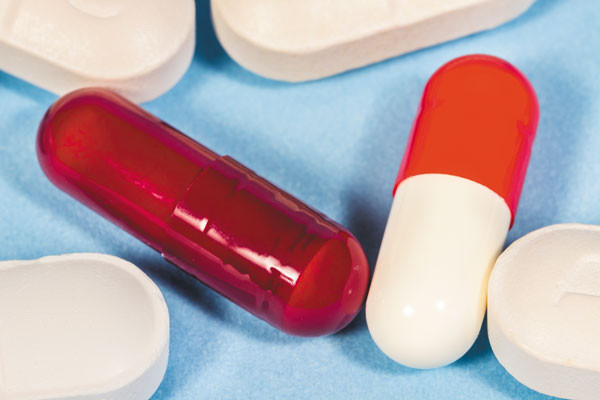
The cost of generic and name-brand drugs
More prescription medications now come in generic versions. But do you ever choose savings over quality?
Image: AlonsoAguilar /Thinkstock
Medication can be an unpredictable and costly expense. Whether it is short-term treatment or multiple drugs you take indefinitely, prescriptions can have a serious impact on your wallet.
Nowadays there are many generic versions of brand-name drugs that are often significantly less expensive. There are generic drugs to treat most common ailments, such as pain, high cholesterol, high blood pressure, diabetes, asthma, and depression.

Opioid drugs may not help with long-term low back pain
Opioid painkillers are commonly prescribed for chronic low back pain. However, a new study suggests that the drugs offer only modest, short-term relief, and should probably be used in conjunction with nondrug therapies or different drugs.

Even a little exercise linked with lower stroke risk in people with afib
Testosterone therapy without evidence of deficiency may boost heart risk
Weight-loss drug may lower risk of heart attacks and infections
What to eat on the DASH diet
Migraine: How it's diagnosed and what that means
Tricep workouts you can do at home
Mindfulness practices to reduce stress and improve focus
Antihistamines may not offer meaningful relief from eczema symptoms
Overweight and taking blood pressure medications: Study finds it's a trend that's working
FDA approves first mRNA-based flu vaccine
Free Healthbeat Signup
Get the latest in health news delivered to your inbox!
Sign Up
