

Even a little exercise linked with lower stroke risk in people with afib

Testosterone therapy without evidence of deficiency may boost heart risk

Weight-loss drug may lower risk of heart attacks and infections

What to eat on the DASH diet

Migraine: How it's diagnosed and what that means

Tricep workouts you can do at home

Mindfulness practices to reduce stress and improve focus

Antihistamines may not offer meaningful relief from eczema symptoms

Overweight and taking blood pressure medications: Study finds it's a trend that's working

FDA approves first mRNA-based flu vaccine
Vitamins, minerals & supplements Archive
Articles

Whole grains associated with lower death rates
Eating 70 grams (four servings) of whole grains daily may lower your risk of death from cardiovascular disease and cancer, according to a study in Circulation. One serving of 100% whole-grain food contains about 16 grams. Examples include one slice of 100% whole-grain bread or a half cup of oatmeal or cooked whole-grain pasta.

Many older adults take unneeded blood pressure drugs
About 66% of adults over age 70 still take antihypertensive medication even though they now have low pressures, says a study from the University of Kent in the United Kingdom. Researchers say this exposes adults to medication side effects like dizziness and falls.
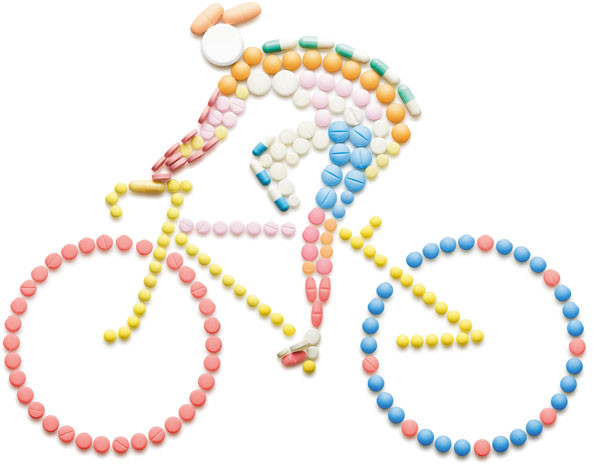
Is an “exercise pill” coming your way?
Researchers are developing pills that provide many of the effects of exercise. But none provides all the benefits of physical activity.
Image: Dmitry Fischer/ Thinkstock
Health experts are fond of saying, "If exercise were a pill, everyone would want to take it." And scientists seem to agree. Over the past several years there has been an accelerated push to develop drugs that mimic the effects of exercise. The promise is enormous—such medications could be a boon to people whose physical activity is limited by medical conditions or injuries. They could provide a head start for people who are beginning an exercise program. They could also confer the health benefits of exercise on healthy people who can't fit physical activity into their schedules or just don't want to get off the couch.
"While the idea of an exercise pill is a good one, it has many, many limitations," says Dr. Laurie Goodyear, head of the Section on Integrative Physiology and Metabolism at Harvard-affiliated Joslin Diabetes Center. Just as a vitamin capsule won't provide all the benefits of a healthy diet, a single pill is unlikely to provide all the benefits of exercise.

Is a heartburn drug hurting your health?
Long-term risks are associated with proton-pump inhibitors, but there are other options for treating acid reflux.
Image: Eranicle/ Thinkstock
Proton-pump inhibitors (PPIs), which reduce the amount of acid produced in the stomach, are so effective at treating heartburn and ulcers that they've been among the world's top-selling drugs for 25 years. Initially available only by prescription, PPIs, which include omeprazole (Prilosec), lansoprazole (Prevacid), and esomeprazole (Nexium), have been sold over the counter for several years. However, now that millions of people are taking PPIs, the drugs have been linked to an increasing number of health risks, such as fractures, kidney problems, vitamin B12 deficiency, low magnesium, and—most recently—dementia and heart attack.
"These studies—especially those suggesting a relationship to dementia and heart attack—are concerning," says Dr. Jacqueline Wolf, a gastroenterologist and associate professor of medicine at Harvard Medical School and author of A Woman's Guide to a Healthy Stomach: Taking Control of Your Digestive Health.

Substituting plant for animal protein may extend life for people with health risks
An analysis of two observational studies involving 130,000 participants suggests that substituting plant protein for some animal protein may reduce the risk of early death by one-third in people with unhealthy lifestyles.
Can I take an expired medication?
Most drugs remain potent after their expiration dates. You may want to move it to the refrigerator, though, because drugs stored in cool temperatures usually remain potent longer.

Are fresh juice drinks as good for you as they seem to be?
Cold-pressed juices and smoothies can add fruits and vegetables to your diet, but they can also pack in calories.
Image: Mermusta /Thinkstock
According to food industry statistics, there's a healthy trend afoot. People are shifting from sugary sodas and processed bottled juice drinks to beverages like cold-pressed juices and smoothies. Sales of juice extractors and blenders lead the small-appliance market, and juice bars continue to spring up on city streets, in shopping malls, and even in supermarkets.
There are a couple of reasons people are taking to these beverages, says Kathy McManus, director of the Department of Nutrition at Harvard-affiliated Brigham and Women's Hospital. "They think they are doing something healthy, and the beverages can be time savers. It can be faster to grab a smoothie in the morning instead of sitting down to breakfast."
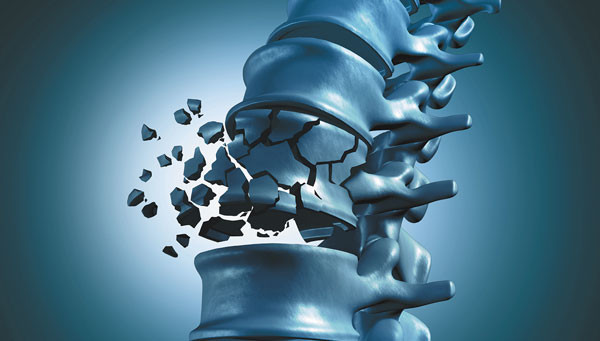
Shunning osteoporosis treatment isn’t a wise decision for most women
Forgoing drugs that slow bone loss to avoid rare side effects can be the wrong decision for your hips and spine.
Image: wildpixel/Thinkstock
A front-page article in the June 1, 2016, edition of The New York Times carried this headline: "Fearing drugs' rare side effects, millions take their chances with osteoporosis." The article described a situation all too familiar to doctors. Women are declining prescriptions of bisphosphonates—drugs that slow the rate at which the body breaks down bone—or discontinuing the medications far earlier than recommended. In fact, according to a 2015 report in the Journal of Bone and Mineral Research, the rate of bisphosphonate use fell by half between 2008 and 2012. That article documented a wave of media coverage of scientific studies that reported two rare side effects—osteonecrosis (bone death) of the jaw and atypical fractures near the top of the femur (thigh-bone)—and suggested that the reports had kindled fears that had led women to abandon bisphosphonates.
"The perception of risk is so much greater than the actual risk," says Dr. Meryl LeBoff, director of the skeletal health and osteoporosis center at Harvard-affiliated Brigham and Women's Hospital. Compared with many other common diseases, we are fortunate that we have good therapies to reduce the risk of osteoporotic fractures by 70% at the spine and 40 to 50% at the hip. She points to statistics referenced in the New York Times article: for every 100,000 women taking a bisphosphonate, fewer than three will have osteonecrosis of the jaw and one will have an atypical femur fracture, but 2,000 will have avoided an osteoporotic fracture.
Tracking bites and using a smaller plate helps control eating, study shows
Both wearing a bite counter and eating from a small plate were linked to lower calorie consumption.
Are your medications causing nutrient deficiency?
Long-term doses of certain medications may rob you of calcium, folic acid, and crucial B vitamins.
Short-term medication use will not lead to nutrient deficiency. But long-term use may interfere with your body's ability to absorb nutrients or produce them.
Image: Gruzdaitis Andrius/Thinkstock
Medications are well known for causing side effects such as nausea or drowsiness. These are the kinds of side effects you notice and can do something about. But sometimes a lesser known side effect happens without giving you any warning: nutrient deficiency.
Even a little exercise linked with lower stroke risk in people with afib
Testosterone therapy without evidence of deficiency may boost heart risk
Weight-loss drug may lower risk of heart attacks and infections
What to eat on the DASH diet
Migraine: How it's diagnosed and what that means
Tricep workouts you can do at home
Mindfulness practices to reduce stress and improve focus
Antihistamines may not offer meaningful relief from eczema symptoms
Overweight and taking blood pressure medications: Study finds it's a trend that's working
FDA approves first mRNA-based flu vaccine
Free Healthbeat Signup
Get the latest in health news delivered to your inbox!
Sign Up
