

Even a little exercise linked with lower stroke risk in people with afib

Testosterone therapy without evidence of deficiency may boost heart risk

Weight-loss drug may lower risk of heart attacks and infections

What to eat on the DASH diet

Migraine: How it's diagnosed and what that means

Tricep workouts you can do at home

Mindfulness practices to reduce stress and improve focus

Antihistamines may not offer meaningful relief from eczema symptoms

Overweight and taking blood pressure medications: Study finds it's a trend that's working

FDA approves first mRNA-based flu vaccine
Vitamins, minerals & supplements Archive
Articles

Anti-VEGF drugs may maintain vision of those with wet AMD
People with wet age-related macular degeneration (AMD) who took anti-VEGF injections were able to maintain their vision enough to legally drive or read small print, like the classified ads in newspapers, for five or more years.
Drug no better than aspirin for stroke prevention
A study found that the drug ticagrelor (Brilinta) was no better than aspirin at preventing stroke among people who had a mild stroke or a transient ischemic attack (TIA), which mimics stroke-like symptoms. However, ongoing research may show benefits in using the drug in combination with aspirin.
Cutting calories offers benefits for normal and overweight adults
Reducing daily calorie intake by 25% may improve health-related quality of life even in people who are not overweight, according to a new study. After two years following a specific diet plan, subjects lost an average of 16.7 pounds, compared with less than a pound in control subjects. They also had better mood, less tension, greater general health, higher sexual drive, and better quality of sleep.

3 trends worth tapping into
Activity trackers, farmers' markets, and mindfulness aren't just passing fancies. They can help you develop beneficial health habits.
Image: julia514/iStock
The word "trendy" has come to refer to a fad or fashion that may have little lasting value, so it can be a turn-off, especially when applied to health practices. But trends can also have lasting health benefits—for example, the trends toward making public places smoke-free or adding calorie counts to fast-food menus. There is increasing evidence that the three trends below fall into the "beneficial" category.
1. Wearing activity trackers
2. Shopping at farmers' markets
In the last 30 years, farmers' markets have moved from the sides of rural roads to the centers of major cities and everywhere in between. Although it may be coincidental, farmers' markets are tailor-made for people who are serious about following the 2015–2020 Dietary Guidelines for Americans, which advise a gradual shift to a plant-based diet centered around vegetables, fruits, and whole grains. In one recent study conducted by researchers at Harvard T.H. Chan School of Public Health, when people began to shop at inner-city farmers' markets, they also consumed less sugary soda and more vegetables than they had previously. Farmers' markets offer several other advantages over supermarkets:
Freshness. Just-picked produce is at its peak in flavor and nutrition.
Variety. You may find some fruits or vegetables you haven't seen before or new versions of old standards.
Information. Because the people who sell the produce are likely to have had a hand in growing it, they should be able to tell you the kind of farming methods used and offer suggestions on preparing the food.
Samples. If you're wondering if the cherries are sweet or tart or if the apples are crisp, ask for a sample. Most vendors are happy to comply.
Sustainability. Eating locally or regionally grown produce means less energy is expended bringing it to your table. And supporting regional agriculture is good for your community.
You can find a farmers' market near you by going to the U.S. Department of Agriculture website using the link at www.health.harvard.edu/farmers.
3. Practicing mindfulness
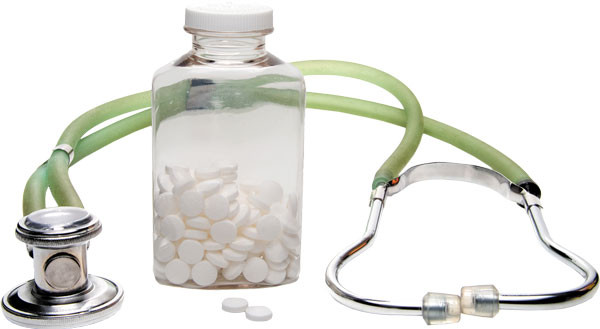
Why you should always have aspirin on hand
This old standby may not be your first choice for pain relief, but it still has an important role in disease prevention and first aid.
Image: Thinkstock
We have a lot to thank aspirin for. It's cheap and plentiful. It does a good job of relieving pain and bringing down fevers. It has also been shown to reduce the risk of heart attack, stroke, and colon cancer. It can even stop heart attacks and strokes in their tracks. In fact, if you're in your 50s or 60s, you may want to think about taking a low-dose aspirin every day.
After evaluating the results of scores of studies, in April 2016 the U.S. Preventive Services Task Force (USPSTF) recommended that women and men ages 50 through 69 who have a 10% risk of a heart attack or stroke in the next 10 years take 81 milligrams (mg) of aspirin daily. Under the previous recommendations—which, were different for men and women—daily low-dose aspirin was advised for women ages 60 through 79 who were at increased risk for cardiovascular events. The recommendation was revised to reflect a new method of calculating the risk of heart attack and stroke and of increased risk of bleeding in older people.

Trouble swallowing your medication? These tricks might help
Some simple techniques can make big pills go down more easily.
Image: Thinkstock
If you have trouble swallowing a pill, you're in the majority. In a Harris survey conducted a few years ago, 51% of women said they had experienced difficulty swallowing tablets or capsules. "We often see people who can swallow food and liquid just fine, but have difficulty with pills," says Denise Ambrosi, director of the Speech-Language Pathology Department at Harvard-affiliated Spaulding Rehabilitation Hospital. Ambrosi notes that some people have physical issues that affect their ability to swallow, while others have an aversion to taking pills.
How swallowing can go awry
Helping the medicine go down
If pills present your only swallowing issues, there are a few things you can do to make swallowing medicine a little easier:
Tuck your head. The following may help even a large pill go down: Put the pill on your tongue. Take a sip of water and hold it in your mouth. Lower your chin to your chest. Swallow.
Disguise the pill. Put it in a food that can be swallowed without chewing, such as applesauce, yogurt, or a fruit or vegetable puree.
Modify the pill. Check with your pharmacist to see if the pill can be ground or broken into smaller pieces that can be mixed into food or more easily swallowed. If a pill is scored, it can probably be divided. However, coated, time-release, and combination medications are meant to be taken whole. So are capsules.
Try a different form. Talk to your doctor to see if you can take the medication (or a related one) in another form, such as a syrup, cream, injection, or infusion. For example, for women who have difficulty swallowing bisphosphonates like alendronate (Fosamax) and ibandronate (Boniva), zoledronate (Reclast, Zometa), is available as intravenous infusion.

Hormones and your heart
Age-related drops in sex hormone levels sometimes cause undesirable symptoms. But is hormone therapy safe for the heart?
Image: monkeybusinessimages/Thinkstock
A decline in sex hormones is a natural part of growing older. Still, it's only natural to want to feel robust, mentally sharp, and healthy as we age. So it's no surprise that hormone therapy—which has been touted by drug companies as a way to restore youthful vigor, first for women and more recently for men—has generated so much interest.
But hormone therapy has a long, controversial history, particularly with regard to how it may affect the risk for common, chronic health problems. The following is a summary of what we know—and don't know—about the cardiovascular effects of hormone therapy for women and men.
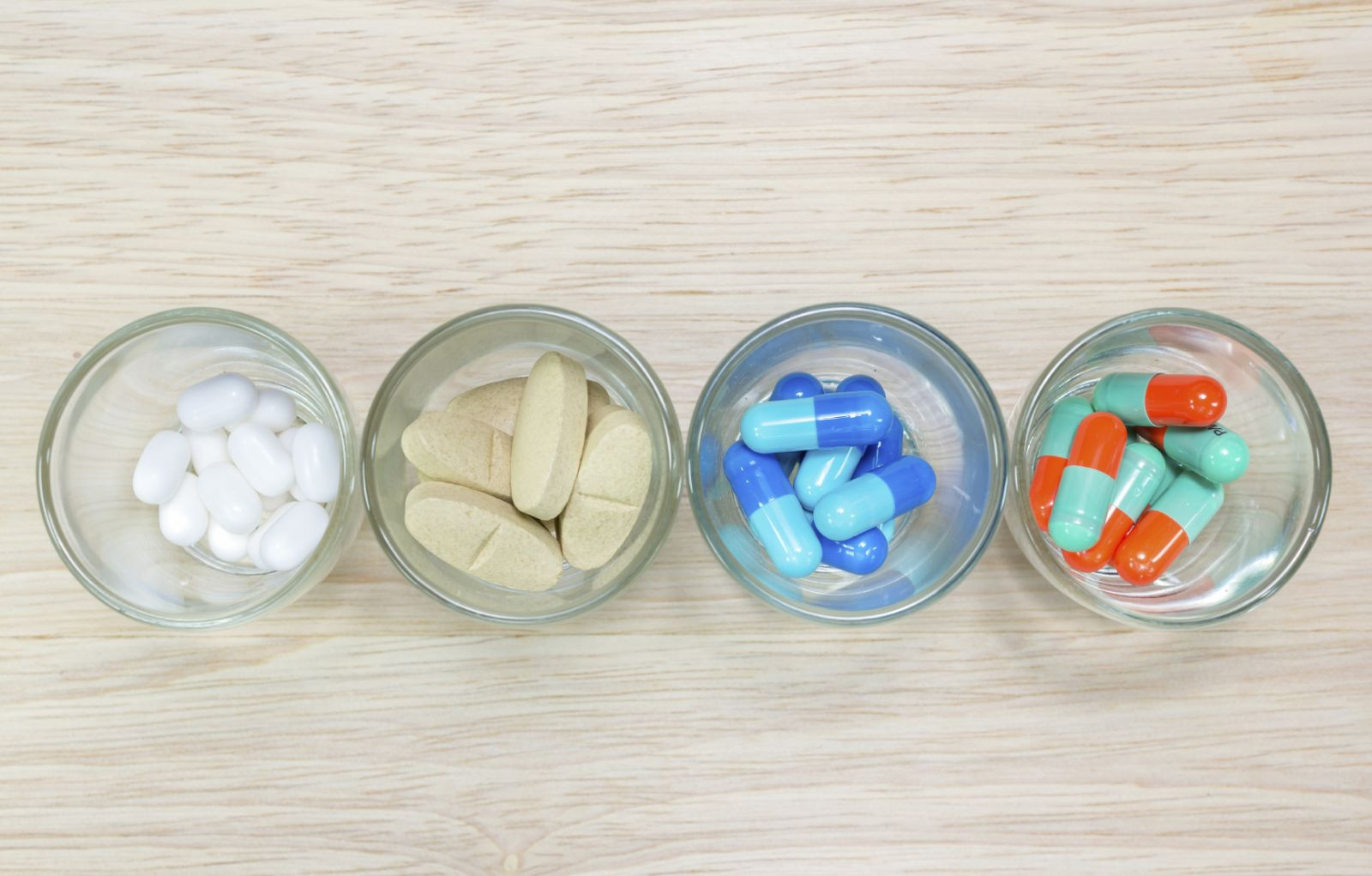
Prescription drug and supplement use on the rise among seniors
New findings suggest that one in six older adults is at risk for drug interactions. Should you be concerned?
Image: iStock
Earlier this year, a study that examined the pill-taking habits of older Americans suggested that seniors are taking more prescription drugs and dietary supplements than in years past. Not surprisingly, most of these pills are used to treat or prevent cardiovascular disease, the nation's leading killer.
The report found that more than a third of adults ages 62 to 85 take five or more prescription medications, over-the-counter (OTC) drugs, or dietary supplements (see box for a description of the study). The study found that about one in six older adults is taking a combination that could cause a major interaction.
Risk of serious falls linked to changes in blood pressure drugs
When older people start taking a new blood pressure drug or change the dose of their current drug, they may be more prone to a serious fall during the following two weeks. But this increased fall risk doesn’t seem to persist over the long term.
More evidence that a healthy lifestyle might help prevent cancer
It appears that four healthy habits—getting 150 minutes of moderate-intensity exercise per week, maintaining a body mass index between 18.5 and 27.5, no smoking, and drinking only in moderation—may prevent many cancer cases and death in white people.
Even a little exercise linked with lower stroke risk in people with afib
Testosterone therapy without evidence of deficiency may boost heart risk
Weight-loss drug may lower risk of heart attacks and infections
What to eat on the DASH diet
Migraine: How it's diagnosed and what that means
Tricep workouts you can do at home
Mindfulness practices to reduce stress and improve focus
Antihistamines may not offer meaningful relief from eczema symptoms
Overweight and taking blood pressure medications: Study finds it's a trend that's working
FDA approves first mRNA-based flu vaccine
Free Healthbeat Signup
Get the latest in health news delivered to your inbox!
Sign Up
