

Even a little exercise linked with lower stroke risk in people with afib

Testosterone therapy without evidence of deficiency may boost heart risk

Weight-loss drug may lower risk of heart attacks and infections

What to eat on the DASH diet

Migraine: How it's diagnosed and what that means

Tricep workouts you can do at home

Mindfulness practices to reduce stress and improve focus

Antihistamines may not offer meaningful relief from eczema symptoms

Overweight and taking blood pressure medications: Study finds it's a trend that's working

FDA approves first mRNA-based flu vaccine
Vitamins, minerals & supplements Archive
Articles

Will the food industry ease up on salt?
On June 1, 2016, the FDA proposed voluntary guidelines for short- and long-term goals to cut sodium in commercially processed and prepared food.

Strategies for taking medications
Doctors may prescribe medications in hopes of helping a patient, but statistics show that at least half of all patients do not follow through with the treatment. Dr. Robert Schmerling explains why some people are choosing to skip taking medications and the possible results of not taking them.
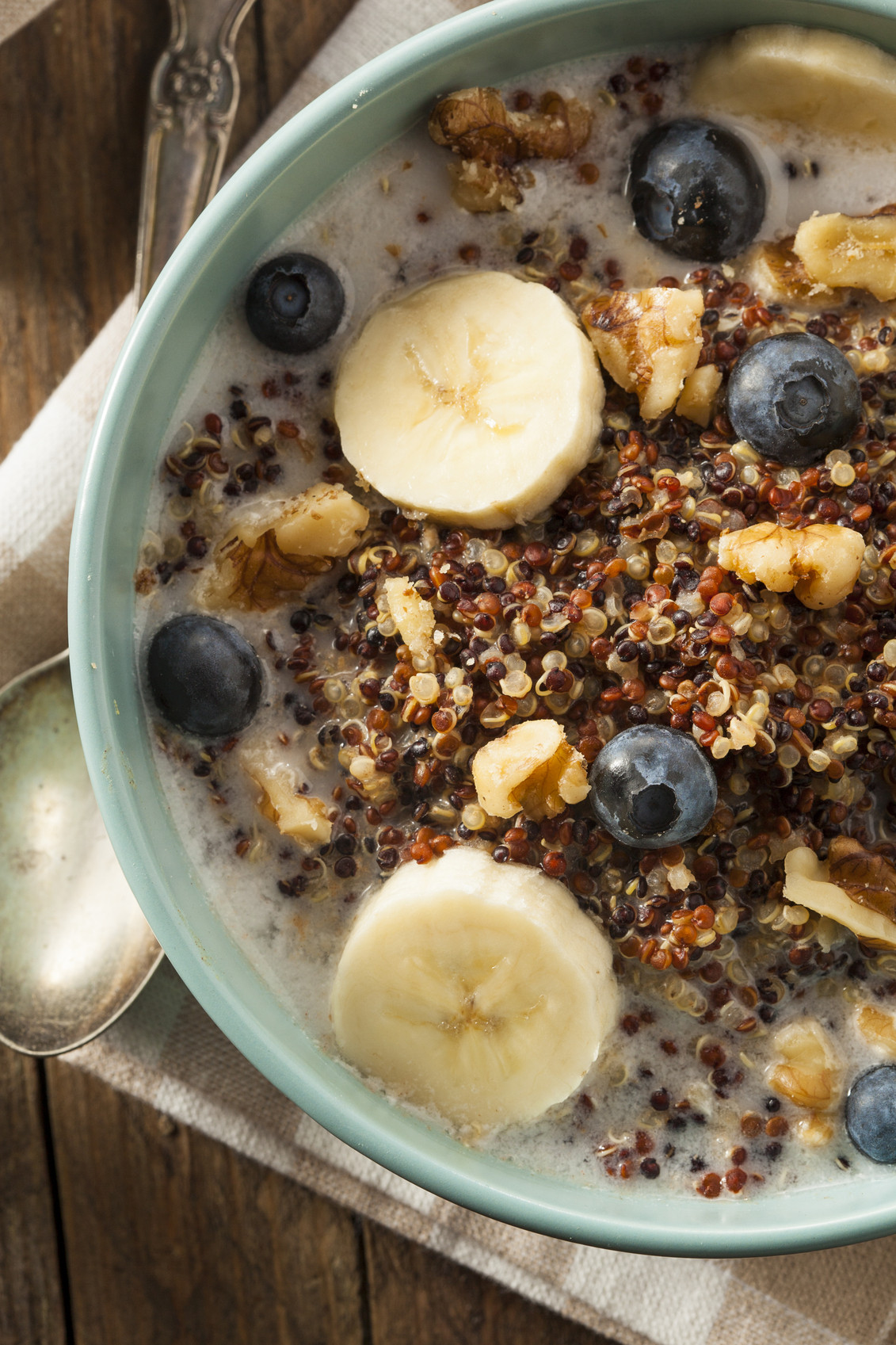
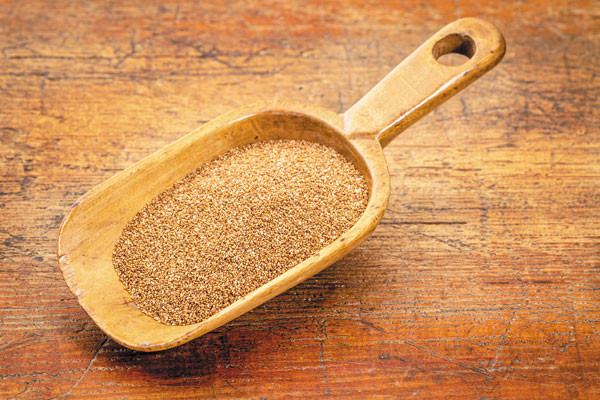
Try the hot trend in whole grains
Ancient grains have become the darlings of the culinary world, and they're healthy, too.
Image: marejuliasz/Thinkstock
In recent years, whole wheat has gotten all the glory when it comes to adding grains to your diet. But today's superstars are the staples used long before wheat took center stage. They're called ancient grains.
"Modern wheat, rice, and corn have been processed through hybridization or genetic modification. Ancient grains have not; they've been grown the same way for centuries," says Debbie Krivitsky, a registered dietitian at Harvard-affiliated Massachusetts General Hospital.

Botox injections get another nod for treating migraine headaches
In its 2016 guidelines, the American Academy of Neurology recommended the use of onabotulinumtoxin A (Botox) injections as a way to help reduce the frequency of chronic migraines.
How much weight loss is cause for concern?
It is normal to lose some weight as a person ages. In fact, an estimated 10% to 20% of men older than age 65 lose 5% or more of their body weight over the rest of their lifetime. However, losing 5% of total weight in one year or 10% over two years warrants some medical testing.
Over-the-counter drugs may be linked to memory decline
A class of drugs commonly used in over-the-counter and prescription drugs to treat such problems as insomnia, diarrhea, high blood pressure, depression, and urinary incontinence may be linked to cognitive impairment. Scientists believe the drugs block the neurotransmitter acetylcholine that helps process information, which scientists believe is responsible for the effect.
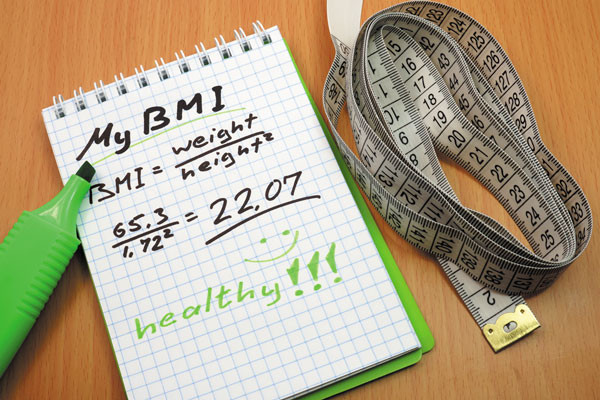
Is body mass index (BMI) still the best measure of body fat?
Body mass index (BMI) is still the best way to assess body fat for most people.

6 suggestions for adding whole grains to your diet
Although they may seem unfamiliar, these nutritious foods are as easy to cook and use as white rice.
Image: Shalith/Thinkstock
Refined carbohydrates are out; whole grains are in. That's one of the messages from the 2015–2020 Dietary Guidelines for Americans. It makes a lot of sense, given that diets rich in whole grains are linked with a reduced risk of diabetes, heart disease, obesity, and certain cancers.
"All the grains we eat now started as whole grains, but we've stripped them down and lost some of the nutrition," says Stacey Nelson, manager of clinical nutrition at Harvard-affiliated Massachusetts General Hospital.

Spice up your dinner with foreign flavors
Indian, Peruvian, or Vietnamese food may be just the thing to give your diet a dose of interest and fun.
Vietnamese pho with shrimp is tasty. But stick to small portions of noodles to avoid spiking blood sugar.
Image: joannatkaczuk/Thinkstock
Following a healthy diet doesn't have to be boring. Take your palate on a culinary adventure by sampling world cuisines that are new to you. "Variety can add taste as well as vitamins and micronutrients you may not be receiving from your standard diet," says registered dietitian Kathy McManus, director of the Department of Nutrition at Harvard-affiliated Brigham and Women's Hospital.
Even a little exercise linked with lower stroke risk in people with afib
Testosterone therapy without evidence of deficiency may boost heart risk
Weight-loss drug may lower risk of heart attacks and infections
What to eat on the DASH diet
Migraine: How it's diagnosed and what that means
Tricep workouts you can do at home
Mindfulness practices to reduce stress and improve focus
Antihistamines may not offer meaningful relief from eczema symptoms
Overweight and taking blood pressure medications: Study finds it's a trend that's working
FDA approves first mRNA-based flu vaccine
Free Healthbeat Signup
Get the latest in health news delivered to your inbox!
Sign Up
