

Even a little exercise linked with lower stroke risk in people with afib

Testosterone therapy without evidence of deficiency may boost heart risk

Weight-loss drug may lower risk of heart attacks and infections

What to eat on the DASH diet

Migraine: How it's diagnosed and what that means

Tricep workouts you can do at home

Mindfulness practices to reduce stress and improve focus

Antihistamines may not offer meaningful relief from eczema symptoms

Overweight and taking blood pressure medications: Study finds it's a trend that's working

FDA approves first mRNA-based flu vaccine
Vitamins, minerals & supplements Archive
Articles
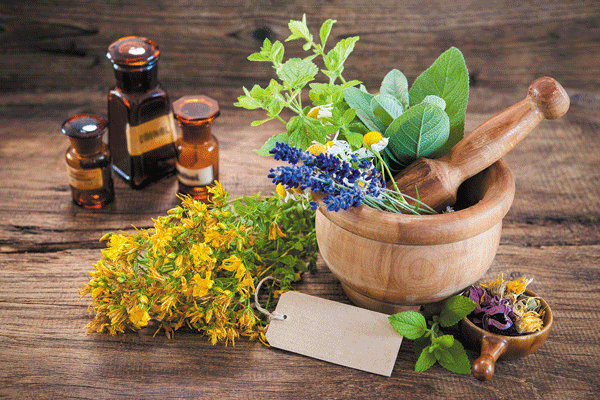
Why dietary supplements are suspect
Supplements aren't held to the same standards as FDA-approved drugs. Evidence indicates that few are effective, many are useless, and others may be harmful.
Image: Thinkstock
Dietary supplements—including herbs, vitamins, minerals, and other products—are a $37-billion industry in the United States, and 60% of women are taking them regularly. At the same time, mounting research is suggesting that supplements—even mainstays like calcium—may be harmful at high doses.
The use of supplements and other alternatives to standard treatments is centuries old, but Dr. David Eisenberg, adjunct associate professor at the Harvard T.H. Chan School of Public Health, was the first to document the widespread use of alternative therapies in the United States. In a 1993 article in The New England Journal of Medicine, Dr. Eisenberg and colleagues reported that more than a third of Americans were using unconventional therapies, largely for chronic conditions, and most were doing so without letting their clinicians know. That report covered acupuncture, spinal manipulation, massage, and yoga, but it also focused public attention on all unconventional treatments, including the growing use of herbal remedies and other dietary supplements. In 1998, the Office of Alternative Medicine in the National Institutes of Health (NIH) was revamped as the National Center for Complementary and Alternative Medicine and charged with funding rigorous studies into the safety and effectiveness of alternative physical treatments as well as popular dietary supplements and herbs.
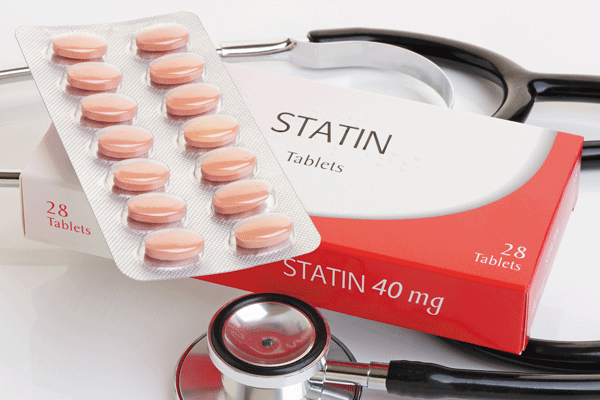
Why you may need a statin
Although risk calculators disagree, at some point age becomes the deciding factor in the decision to take a cholesterol-lowering medication.
Image: Thinkstock
If you've been diligent about monitoring your risk factors for developing heart disease, you may have realized that online calculators can be helpful. If you have the results from your latest cholesterol test, these online calculators can compute your chance of having a heart attack or stroke in the next decade:
Framingham Risk Calculator http://cvdrisk.nhlbi.nih.gov
ACC/AHA Heart Risk Calculator www.cvriskcalculator.com
Reynolds Risk Score www.reynoldsriskscore.org
However, each may give you a slightly different number. And while the Framingham calculator might indicate that your risk is low and therefore you don't need a cholesterol-lowering statin drug, the ACC/AHA calculator could indicate that you should be taking a statin to reduce your risk.

How long should you take a bisphosphonate for osteoporosis?
Millions of postmenopausal women are taking a bisphosphonate like oral alendronate (Fosamax) or intravenous (IV) zoledronic acid (Reclast) to increase bone density. But because long-term use of these drugs has been associated with an increased risk of bone death in the jaw and unusual thighbone fractures, experts have debated how long women should stay on the drugs to minimize the risk of hip or vertebral fractures without raising their risk for these rare but serious complications.
After considering major randomized controlled clinical trials, a task force of the American Society for Bone and Mineral Research has released guidelines on the optimal duration of bisphosphonate therapy for osteoporosis. The guidelines, published in the January 2016 issue of the Journal of Bone and Mineral Research, recommend reassessing a woman's fracture risk after five years of oral bisphosphonates or three years of IV therapy. They advise that women whose risk is still high should continue to take oral bisphosphonates for up to 10 years or IV therapy for up to six years. However, fracture risk should be reassessed every two to three years during extended therapy.
Correction: healthy prepared entrée
In the January Health Letter, we gave you suggestions for finding healthy frozen food entrees. Because of a typographical error, the text of the article incorrectly stated that you should look for 5 or fewer grams of fiber per serving. In contrast, the table (reproduced below) noted accurately that you should look for entrees with 5 or more grams of fiber per serving. We apologize for the error in the text.
What to look for in a healthy prepared entrée: | |
When the label says... | Look for... |
Calories | 600 or less |
Fiber | 5 grams or more |
Sodium | 500 milligrams or less |
Trans fat | 0 grams |
Saturated fat | 5 grams or less |
Sugar | 0 grams |

Omega-3 fatty acids: Does your diet deliver?
Most Americans don't get the recommended amount of these potentially heart-protecting fats.
Recently, a Harvard Heart Letter subscriber emailed us a question about omega-3 fatty acids, the unique fats abundant in many types of fish that may be linked to a lower risk of cardiovascular disease. Is there a difference, he wondered, between farm-raised and wild-caught salmon in terms of omega-3 fatty acid content?
It's a reasonable question, especially considering that wild salmon is often far more expensive than the farm-raised variety. But how much omega-3 fatty acid do we really need in our diets? And are fish the only source? Here's a brief summary of what you should know about omega-3s.
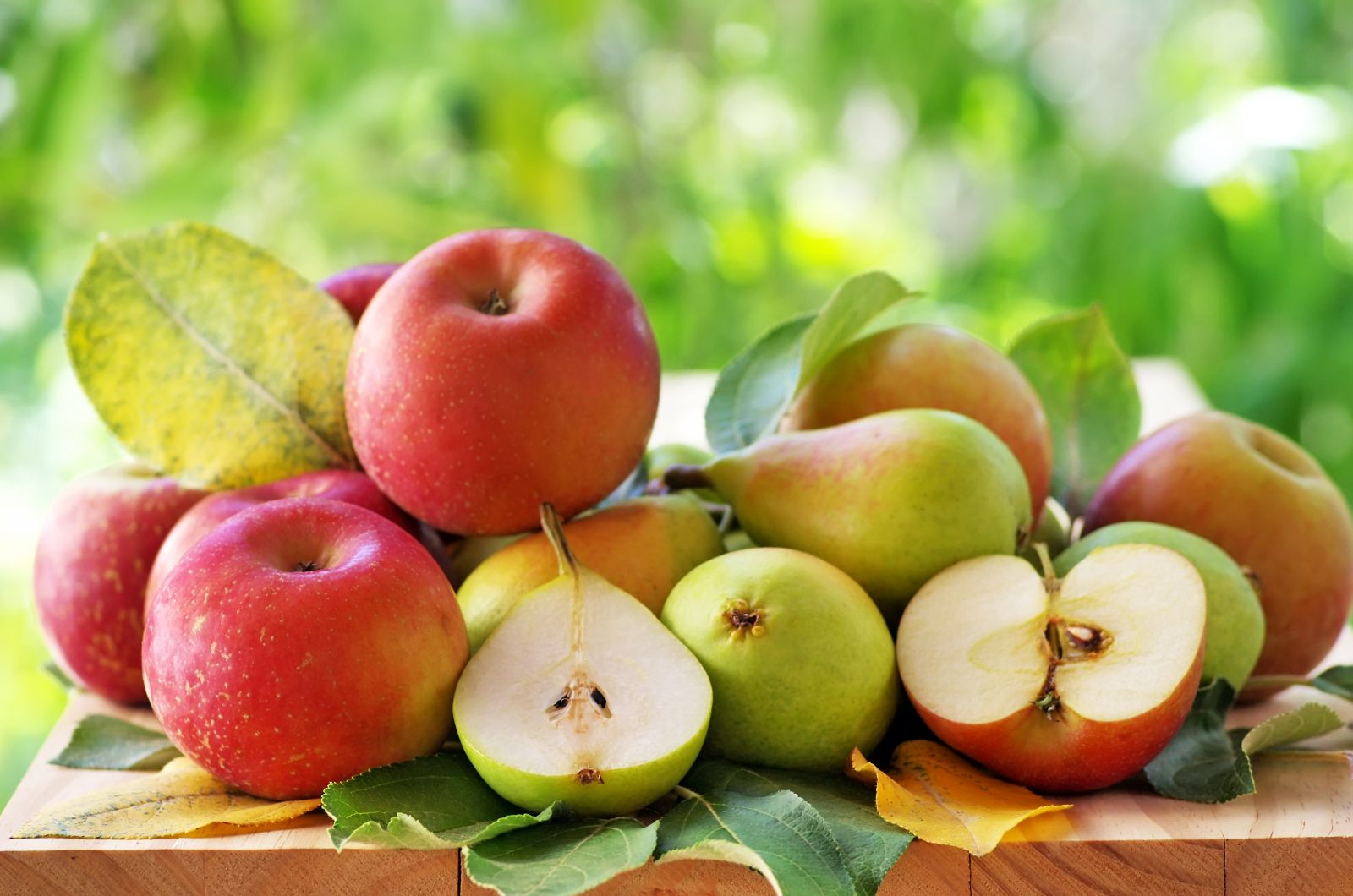
Eating more fruit may help lower blood pressure
The longstanding "More Matters" campaign urges Americans to eat more fruits and vegetables (see www.fruitsandveggiesmorematters.org). Evidence to support this healthy habit keeps piling up, with the latest from a study that pooled dietary data from three large, long-term studies that followed more than 187,000 people for an average of over 20 years.
The researchers found that people who ate more whole fruits—especially apples, pears, grapes, and raisins—were less likely to develop high blood pressure than those who rarely ate those foods. As for vegetables, broccoli and carrots appeared to be the best choices for staving off high blood pressure. Fruits and vegetables provide minerals such as potassium and substances called flavonoids, both of which are linked to lower blood pressure. The study was published online in the Dec. 7, 2015, issue of Hypertension.
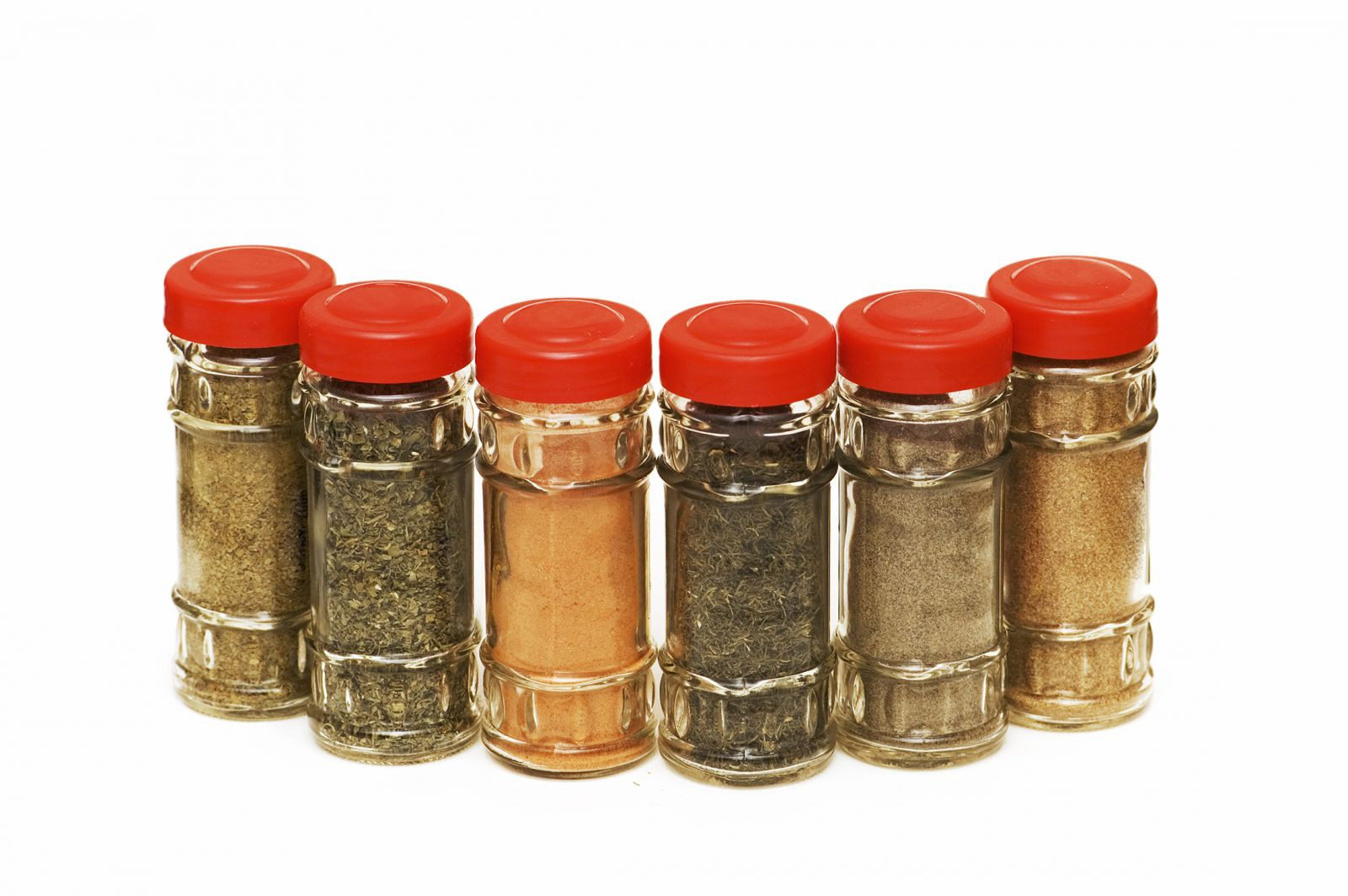
Can everyday spices make you healthier?
Turmeric, coriander, and cumin may boost your health and breathe new life into tired dishes.
The health benefits of foods such as berries, broccoli, and salmon are well known. But your kitchen's spice rack may also hold some secret weapons against conditions such as inflammation, heart disease, cancer, and more. "Spices are underused, but it would be very easy to take advantage of them and improve health," says Dr. Lipi Roy, an internal medicine physician at Harvard-affiliated Massachusetts General Hospital.
There are few large randomized trials that demonstrate spices' health effects. But many studies in animals suggest that several spices offer benefits. So instead of flavoring your food with salt and butter, which can contribute to high blood pressure and heart disease, consider using the following spices.
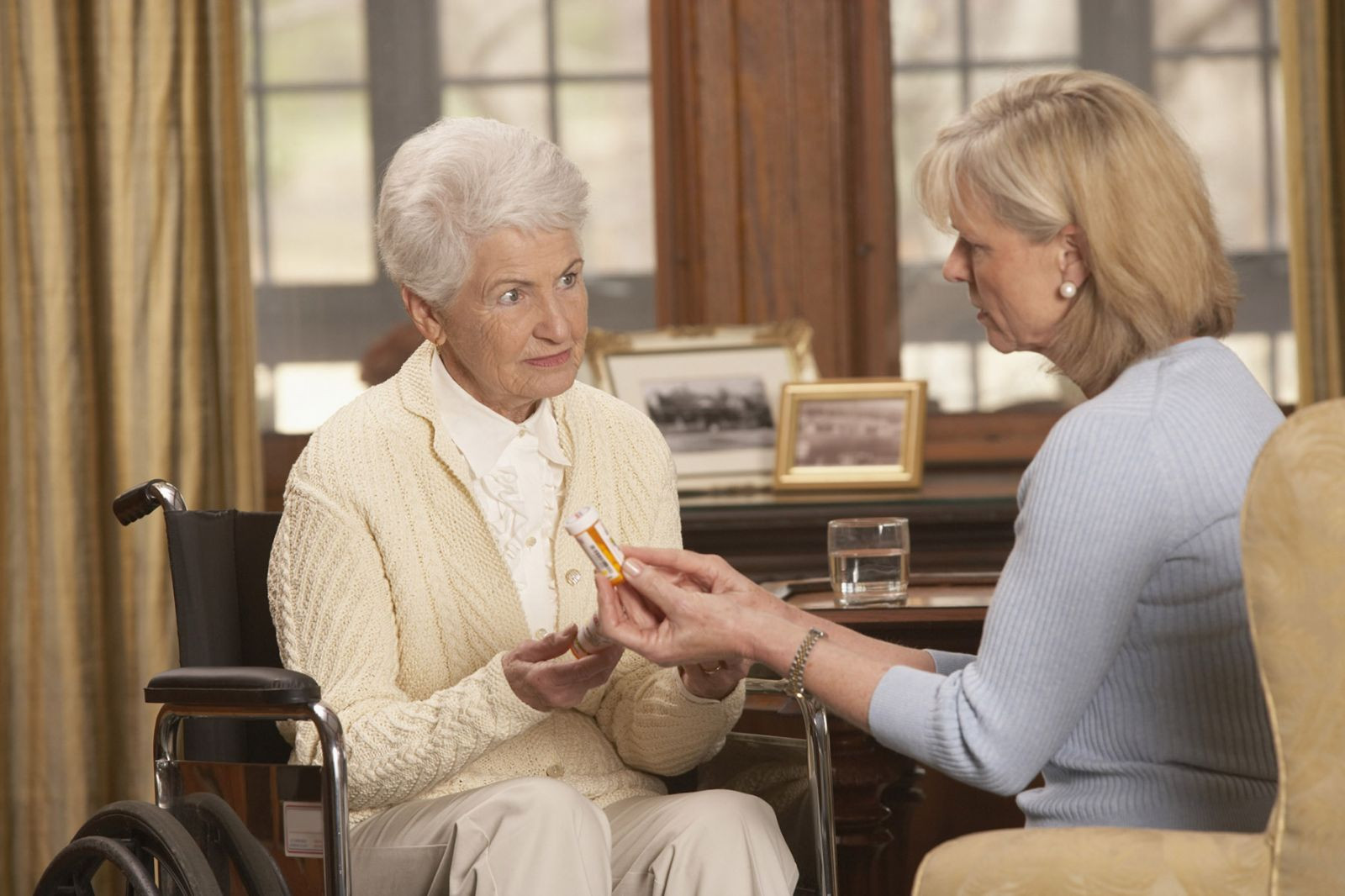
Prescription pain pills: Worth the risks?
Thorough risk assessment and family assistance may help you take them more safely.
Prescription pain pills such as oxycodone (Oxycontin) and hydrocodone (Vicodin) are in a class of drugs known as opioids. They're typically used to treat severe pain after surgery, and sometimes to treat chronic pain. But these drugs come with many risks, including addiction. Does that put you at risk if you take opioids? "You have to look at it on a case-by-case basis," says Dr. Hilary Connery, an addiction psychiatrist at Harvard-affiliated McLean Hospital.
Risks and benefits
Opioids are powerful painkillers that block messages of pain to the brain and decrease the body's perception of discomfort. They may also create a feeling of euphoria. Opioids are especially useful in the short term, such as the initial weeks following joint replacement. Common side effects include nausea, itching, drowsiness, or constipation.
Antidote for blood thinner's side effect
There's encouraging news for people who take dabigatran (Pradaxa), a newer type of blood thinner that's had a rare side effect of uncontrolled bleeding during surgery or accidents. In October 2015, the FDA approved an antidote called idarucizumab (Praxbind), which may be able to reverse dabigatran's blood-thinning effects.
Dabigatran was approved by the FDA in 2010 and welcomed as a convenient alternative to warfarin (Coumadin) for people with certain types of atrial fibrillation, deep-vein thrombosis, or pulmonary embolism. While warfarin is generally safe and inexpensive, it takes about a week for it to become effective, and dosing is so complicated that people taking warfarin need frequent blood tests to see if the dose needs to be adjusted. Dabigatran is effective within two hours and doesn't require dose adjustment or lab monitoring. But dabigatran has caused more episodes of major bleeding than had been expected, without a way to reverse the problem.

Ask the doctors: How much fruit can I eat and stay within the sugar guidelines?
Ask the doctors
Q: I just read that we shouldn't be getting more than 10% of our calories from sugar. Should I cut back on fruit?
A: While it's a good idea to limit sugars from processed foods, you can worry less about eating too much fruit. In fact, one small study found no ill effects in people who ate 20 servings of fruit a day for 12 to 24 weeks.
Even a little exercise linked with lower stroke risk in people with afib
Testosterone therapy without evidence of deficiency may boost heart risk
Weight-loss drug may lower risk of heart attacks and infections
What to eat on the DASH diet
Migraine: How it's diagnosed and what that means
Tricep workouts you can do at home
Mindfulness practices to reduce stress and improve focus
Antihistamines may not offer meaningful relief from eczema symptoms
Overweight and taking blood pressure medications: Study finds it's a trend that's working
FDA approves first mRNA-based flu vaccine
Free Healthbeat Signup
Get the latest in health news delivered to your inbox!
Sign Up
