

Even a little exercise linked with lower stroke risk in people with afib

Testosterone therapy without evidence of deficiency may boost heart risk

Weight-loss drug may lower risk of heart attacks and infections

What to eat on the DASH diet

Migraine: How it's diagnosed and what that means

Tricep workouts you can do at home

Mindfulness practices to reduce stress and improve focus

Antihistamines may not offer meaningful relief from eczema symptoms

Overweight and taking blood pressure medications: Study finds it's a trend that's working

FDA approves first mRNA-based flu vaccine
Vitamins, minerals & supplements Archive
Articles
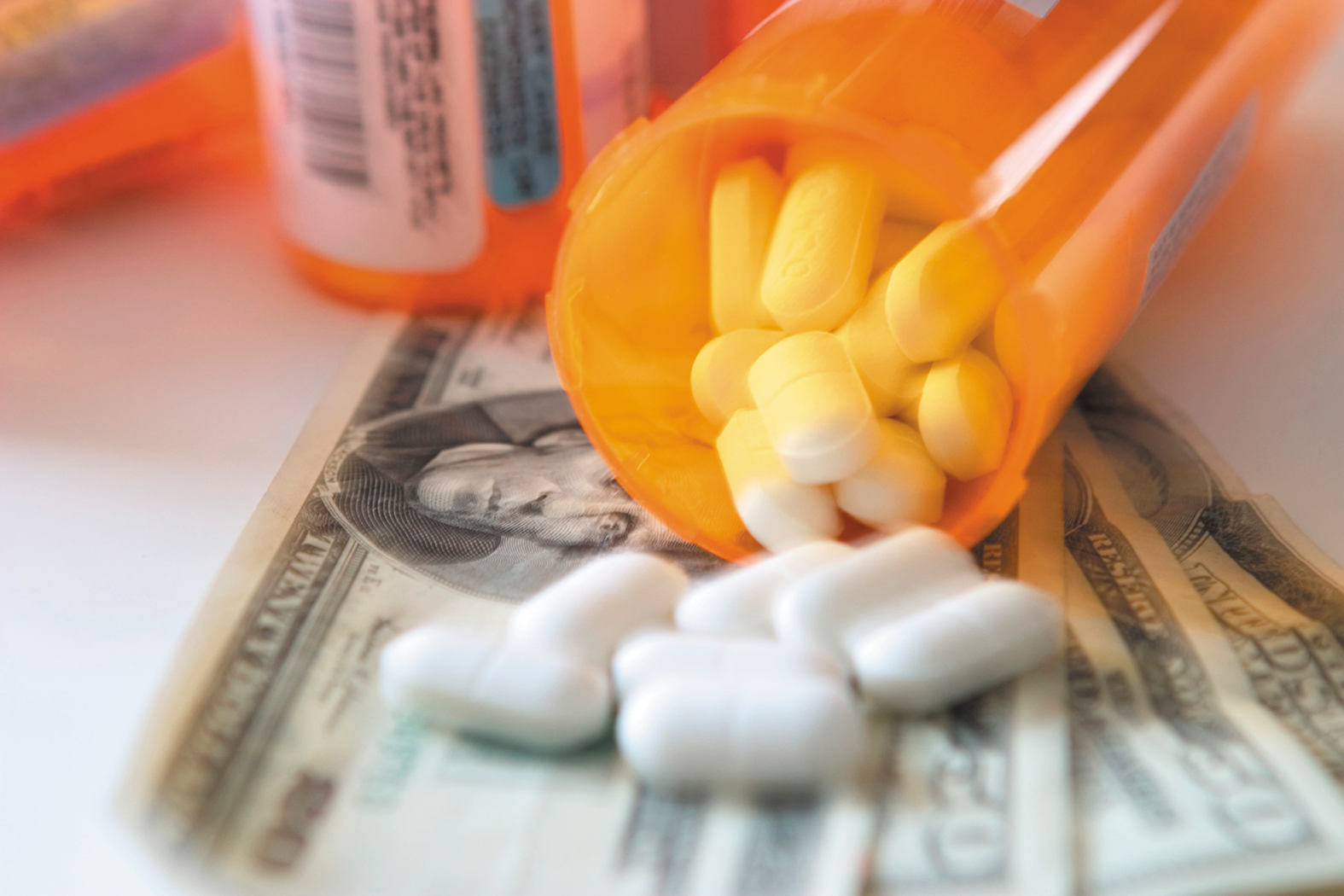
Generic or brand-name drugs?
Image: Thinkstock
Ask the doctor
Q. I would like to take generic drugs instead of brand-name drugs whenever possible, because they're cheaper. But are they really as effective?
A. First of all, generic drugs contain the exact same active ingredients as the brand-name versions. Second, in the United States, before approving a generic drug, the FDA must test it to be sure that the manufacturer has produced the same molecule, and that it achieves the same levels in the blood as the brand-name drug. Third, there have been many careful studies comparing generic drugs (once they have been approved) to their brand-name equivalents.

Better nutrition when cooking for one
You can still eat healthy foods without making a big meal each night.
Image: Thinkstock
When you live alone, coping without a companion at meal times is more than just lonely; it's also a risk for malnutrition. "People don't make an effort when eating is no longer a social experience. There's no joy left in preparing food, because they don't view it as something valuable to do for themselves," says Melanie Pearsall, a registered dietitian with Harvard-affiliated Massachusetts General Hospital.
Challenges lead to health risks
Loneliness is just part of the nutrition challenge when you live alone. Some people may also experience

Has the new sexual desire drug panned out?
Image: iStock
Flibanserin is the first treatment of its kind. But it comes with a steep price tag and severe health risks.
It's now six months since the FDA approved flibanserin (Addyi), which is the first medication for sexual desire disorders. The drug was hailed as a "female Viagra," but is it living up to the hype? "It's not the solution we were hoping for," says Dr. Hope Ricciotti, editor in chief of Harvard Women's Health Watch and an associate professor of obstetrics, gynecology, and reproductive biology at Harvard Medical School.

Harvard study: Moderate coffee drinking associated with longevity
Image: Thinkstock
News Briefs
Here's something to think about if you drink a few cups of coffee per day: a Harvard study published online Nov. 16, 2015, by Circulation found that moderate coffee drinking is associated with a lower risk of an early death. Researchers evaluated questionnaires answered by people in three large studies (a total of more than 208,000 men and women), over a period of 30 years. The investigators observed that, compared with people who don't drink coffee, those who drank three to five cups of caffeinated or decaffeinated coffee per day had a lower risk of death from type 2 diabetes, cardiovascular disease, neurological diseases such as Parkinson's disease, and suicide. "It could be that certain compounds in coffee, such as chlorogenic acid, may help reduce insulin resistance and inflammation, which are associated with many diseases, including type 2 diabetes and cardiovascular disease," says Dr. Ming Ding, the study's first author and a doctoral student at the Harvard T.H. Chan School of Public Health. But the study doesn't prove that coffee was responsible for the lower risk of early death. "If you drink a moderate amount of coffee, it is fine to keep your habit. There is not enough evidence that you should drink more coffee for the sake of longer life expectancy," says Dr. Ding.

Generics vs. brand-name drugs? Go for generics, doctors' group urges
News Briefs
New guidelines from the American College of Physicians (ACP) urge doctors to prescribe generic medications whenever possible, rather than more expensive brand-name medications. The guidelines were published online Nov. 24, 2015, in Annals of Internal Medicine. An ACP committee, led by Harvard Medical School's Dr. Niteesh Choudhry, analyzed more than 2,500 studies and found that brand-name prescription medications are more likely to be prescribed, but not filled. The committee also observed that people do a better job of sticking to a medication regimen if they take generics, since the drugs are cheaper and people are more likely to get prescriptions filled. (If you're more likely to take a medication, you're more likely to get better.) Do generics work just as well? The committee found that the vast majority of the evidence showed generic drugs are as effective as brand-name medications when it comes to health outcomes. If your doctor prescribes a brand-name medication, ask if there's a generic that will do the same job and save you money.
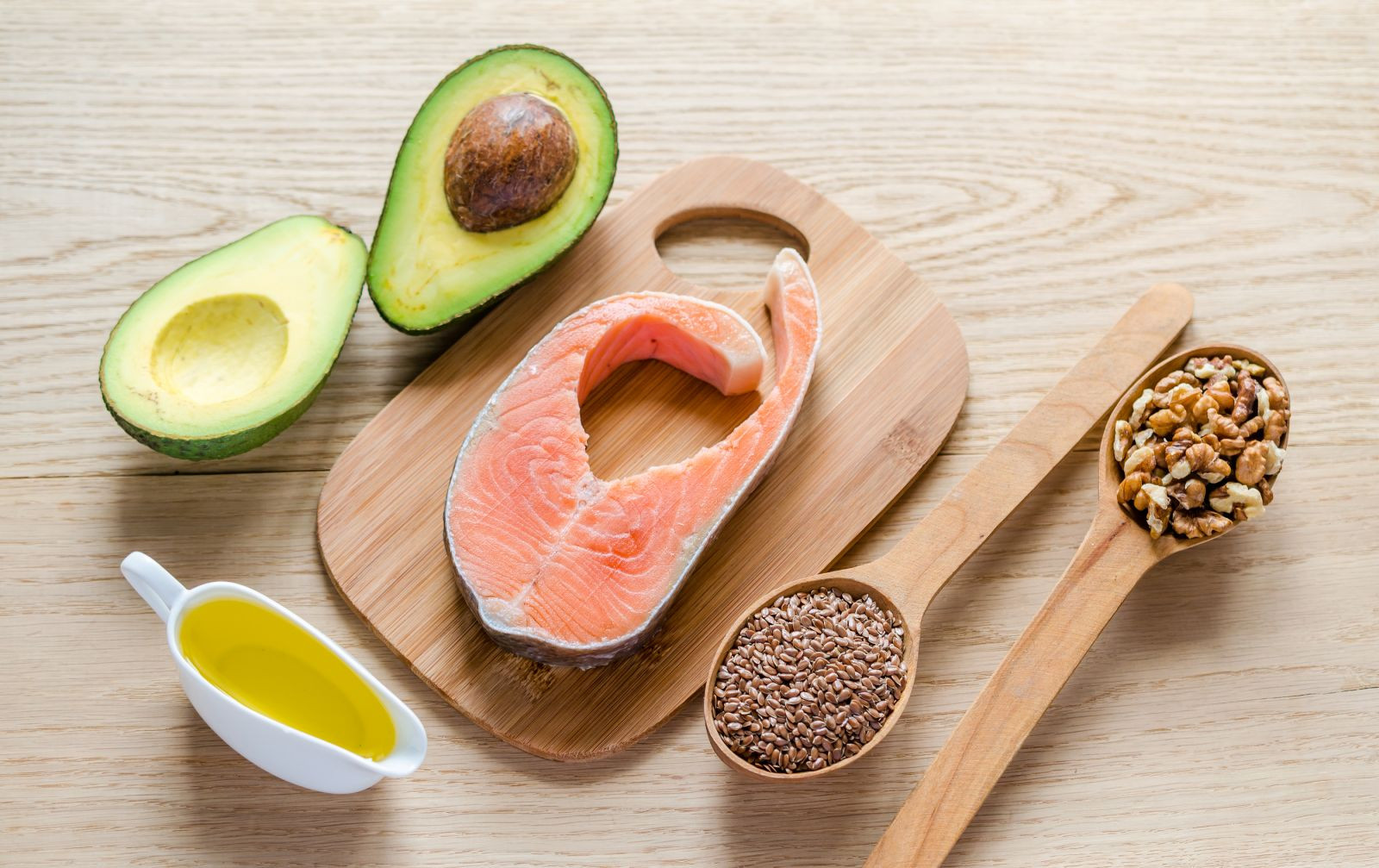
Does dietary fat matter for long-term weight loss?
News Briefs
Want to lose weight? Don't focus on fat. A Harvard analysis published Oct. 30, 2015, in The Lancet Diabetes & Endocrinology suggests that low-fat diets don't work any better than higher-fat diets when it comes to long-term weight loss. Researchers analyzed the data from a total of about 68,000 people in 53 studies that looked at low-fat diets compared with other types of diets, such as higher-fat diets with low carbohydrates. After one year or longer, people on all types of diets had lost and kept off an average of 6 pounds. So how can you lose weight? As we reported in the December 2015 Health Letter, it's not dietary fat that makes you fat; it's the combination of excess calories and too little physical activity. Each gram of fat has nine calories, which is more than in a gram of carbohydrates or proteins, so don't eat too many of them. What should you eat to lose weight? Go for vegetables, fruits, lean meats and fish, fiber, healthy fats (almonds, avocados, salmon), and whole grains. Talk to your doctor or a dietitian about how many calories per day you should eat to lose weight.

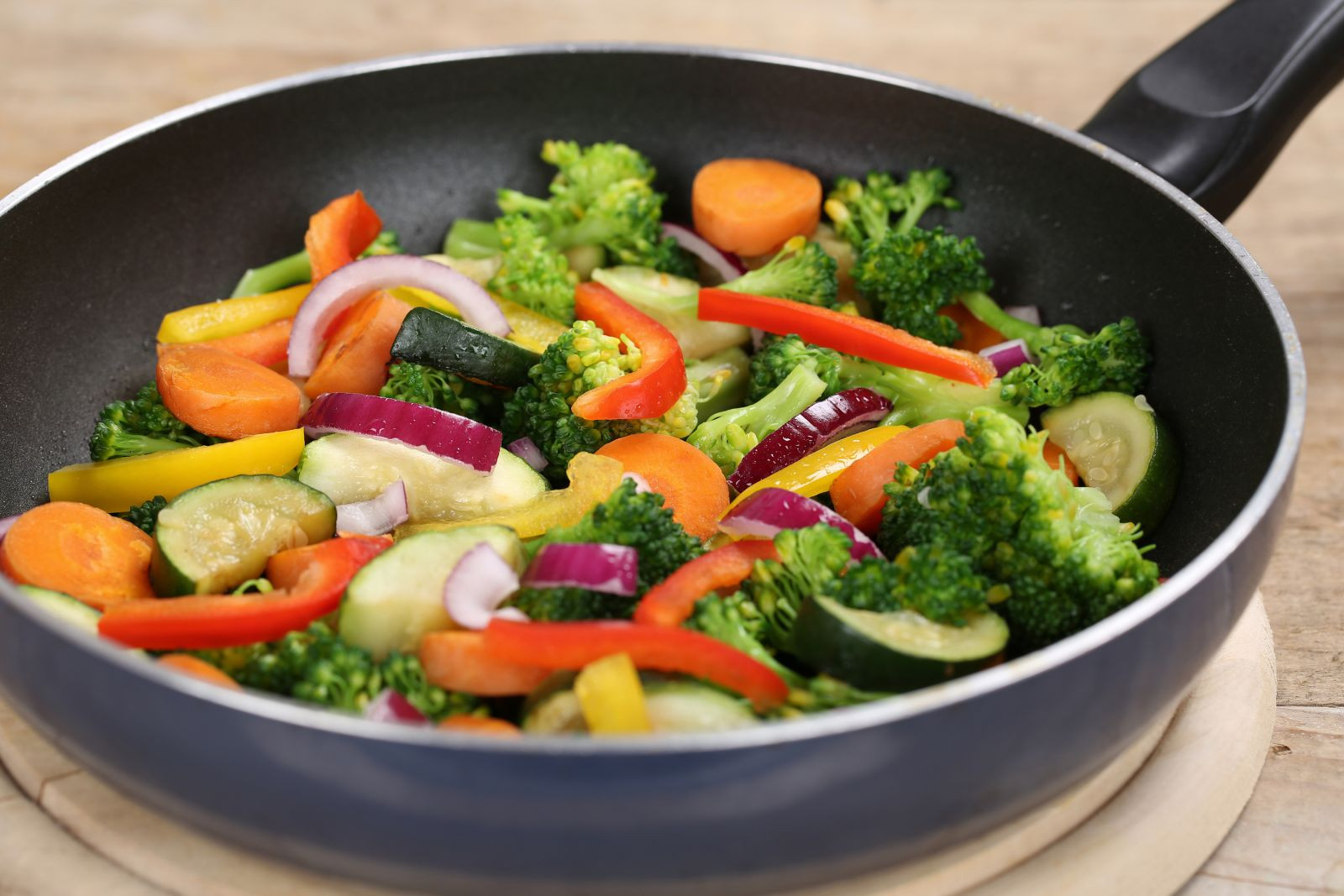
5 easy ways to add fruits and vegetables to dinner
Fruits and vegetables contain vitamins, minerals, and other nutrients that are essential for good health. That's one reason why a plant-based diet that includes lots of fruits and vegetables can lower your risk of developing life-threatening diseases such as heart disease, diabetes, and some cancers. And when you pile on the produce, there's less room for the unhealthy foods, too.
Dinner is typically the largest (and latest) meal of the day, and it's a good opportunity to make sure that you meet your daily quota for fruits and vegetables. Here are five easy ways to work more produce into dinner.

7 tips for eating healthy when you can't count calories
Image: Bigstock
Counting calories is one of the most reliable ways to maintain or lose weight. But it's not always easy to do when you're out and about or pressed for time — and there are plenty of situations (such as a dinner party at a friend's house) that just don't lend themselves well to a "strictly numbers" approach.
Here are some guidelines to follow when straight calorie counting is impractical.

Even a little exercise linked with lower stroke risk in people with afib
Testosterone therapy without evidence of deficiency may boost heart risk
Weight-loss drug may lower risk of heart attacks and infections
What to eat on the DASH diet
Migraine: How it's diagnosed and what that means
Tricep workouts you can do at home
Mindfulness practices to reduce stress and improve focus
Antihistamines may not offer meaningful relief from eczema symptoms
Overweight and taking blood pressure medications: Study finds it's a trend that's working
FDA approves first mRNA-based flu vaccine
Free Healthbeat Signup
Get the latest in health news delivered to your inbox!
Sign Up
