

Even a little exercise linked with lower stroke risk in people with afib

Testosterone therapy without evidence of deficiency may boost heart risk

Weight-loss drug may lower risk of heart attacks and infections

What to eat on the DASH diet

Migraine: How it's diagnosed and what that means

Tricep workouts you can do at home

Mindfulness practices to reduce stress and improve focus

Antihistamines may not offer meaningful relief from eczema symptoms

Overweight and taking blood pressure medications: Study finds it's a trend that's working

FDA approves first mRNA-based flu vaccine
Vitamins, minerals & supplements Archive
Articles

The changing landscape of heart disease and diabetes care
Image: Thinkstock
New guidelines and a novel diabetes drug point to new treatment approaches.
When it comes to the cardiovascular dangers from diabetes, the statistics are pretty disheartening: about two-thirds of people with type 2 diabetes ultimately die from heart disease or a stroke. But there's progress afoot. Recently updated guidelines and a novel diabetes drug with proven heart benefits offer promise for making a dent in that dire statistic. And in a nod to the importance of early detection, the U.S. Preventive Services Task Force recently recommended that adults ages 40 to 70 who are overweight be screened for diabetes (see "Diabetes screening tests").

Sugary drinks seem to raise blood pressure
Image: Thinkstock
Research we're watching
Drinking as little as one sugar-sweetened beverage a day is linked to a slightly greater risk of high blood pressure, a new analysis suggests.
Researchers pooled findings from six studies that included a total of more than 240,000 people. They found a 12% higher risk of high blood pressure among people who drank one or more sugary drinks daily compared with those who drank none. Serving sizes of the beverages varied from 7 to 12 ounces among the different studies.

FDA approves antidote to anti-clotting drug
Research we're watching
For people who take anti-clotting drugs such as dabigatran (Pradaxa), one serious downside has been the rare but dangerous risk of uncontrolled bleeding in the event of an accident or urgently needed surgery. But in October, the FDA approved idarucizumab (Praxbind), a drug that quickly reverses the effects of dabigatran. Given by injection into a vein, the drug binds to dabigatran and neutralizes its effect, allowing the blood to clot normally.
Dabigatran was approved in 2010 to prevent strokes (most of which are caused by blood clots in the brain) in people with atrial fibrillation. It's also prescribed to prevent and treat venous thromboembolism. Because idarucizumab works specifically on dabigatran, it can't be used as an antidote for similar anti-clotting medications, which include rivaroxaban (Xarelto), apixaban (Eliquis), and edoxaban (Savaysa). However, an antidote that works on these drugs is under development, with approval expected within the next year or so.



3 health strategies to help you get through the holidays
Image: Thinkstock
Plan now to help prevent overeating, trips to the hospital, and depression.
The winter holidays are supposed to be a joyous time, filled with celebration. But they come with health risks, such as loneliness and depression, overeating, weight gain, falls in icy weather, foodborne illness, and heart problems. Here are ways to protect yourself while enjoying the season.
Should you rethink high blood pressure treatment?
Image: Thinkstock
News briefs
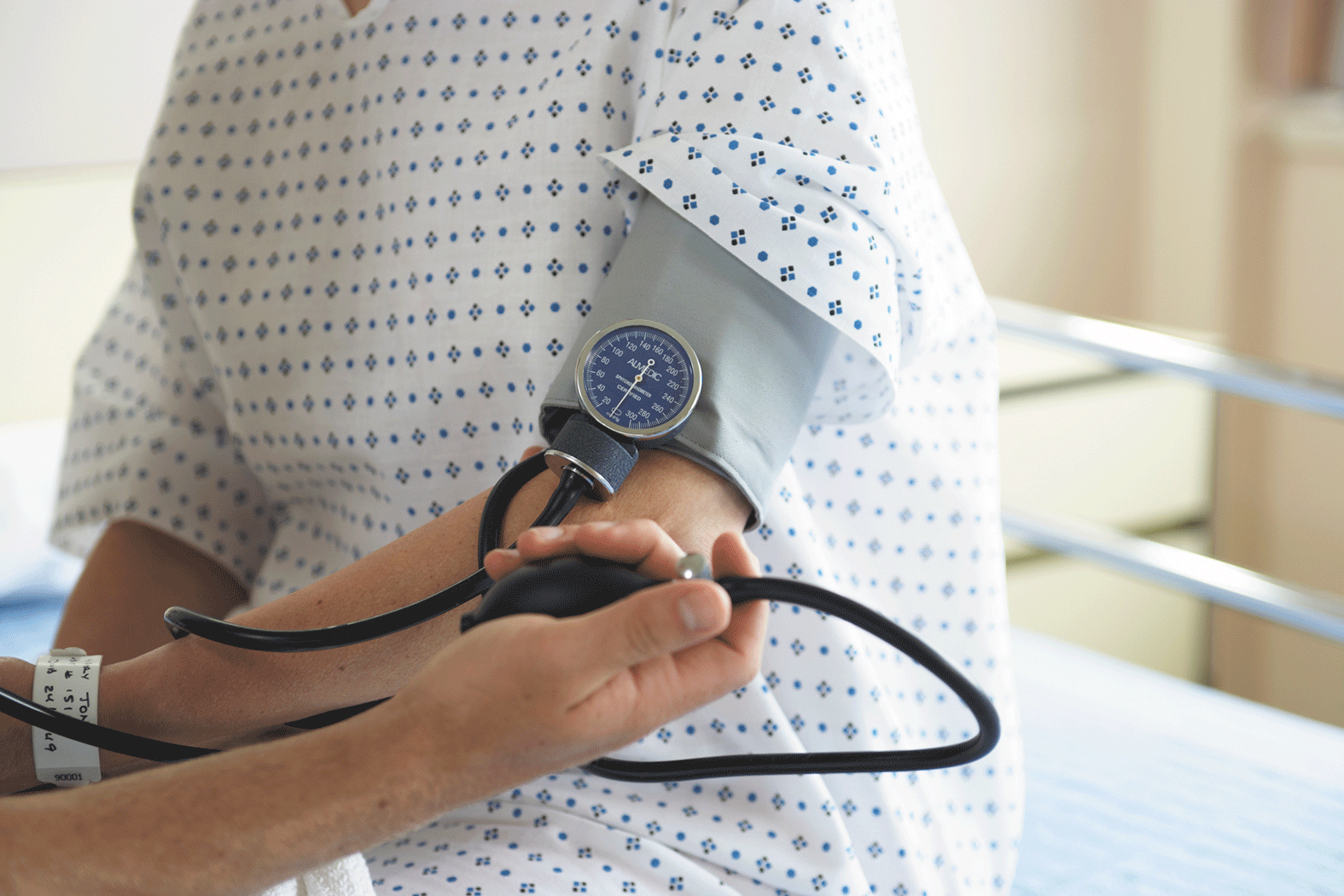
Initial results of a large national clinical trial suggest that being more aggressive in treating high blood pressure may save lives. Results of the Systolic Blood Pressure Intervention Trial (SPRINT) aren't yet published, so we don't know all of the details. But from information released by the National Institutes of Health (NIH) in September, it appears that aiming for a systolic (top) blood pressure reading of less than 120 mm Hg may reduce the risk of heart attacks, strokes, and heart failure by almost a third, and reduce the overall death rate by 25%. Researchers came to this conclusion after following more than 9,000 middle-aged and older adults with high blood pressure for several years. Half of the participants took an average of two medications and set a target systolic blood pressure of less than 140 mm Hg, the current recommended number. The other half took an average of three medications and aimed for a systolic blood pressure of less than 120 mm Hg. The results in the lower-target group were so impressive that NIH stopped the study early to share the news. Does this mean you should add more pills to your blood pressure treatment? "Not necessarily, because there may be more drug side effects. But if you're aiming for a lower number, I think it will be critical to rely on lifestyle modification, such as stress reduction, diet, salt restriction, and exercise, in addition to medication to lower blood pressure," says Dr. Randall Zusman, a cardiologist and Harvard Medical School associate professor.

Not all vegetables aid weight control, Harvard researchers find
Image: Thinkstock
News briefs
Adding more fruits and vegetables to your diet is a good idea for many reasons, and weight control is one of them. But some vegetables are associated with weight gain, according to a Harvard study published Sept. 22, 2015, in PLOS Medicine. Researchers analyzed weight and diet changes in about 118,000 people over 24 years, at roughly four-year intervals. On average, people who increased their intake of fruits (especially berries, apples, and pears) and most vegetables, especially high-fiber, low-glycemic-load vegetables such as broccoli and Brussels sprouts, lost a little weight. In contrast, people who ate more starchy vegetables—peas and corn, for example—tended to pack on more pounds over time. This didn't prove that certain vegetables caused weight gain. "But we suspect the association may have something to do with the fact that starchy vegetables have a high glycemic load, meaning they spike blood sugar more than other foods," says Dr. Monica Bertoia, a Harvard Medical School instructor and lead author of the study.

Cholesterol: What's diet got to do with it?
Image: iStock
Cholesterol in the foods you eat generally has little effect on levels in your bloodstream. But your overall diet does.
Cholesterol has a bad reputation, thanks to its well-known role in promoting heart disease. Excess cholesterol in the bloodstream is a key contributor to artery-clogging plaque, which can accumulate and set the stage for a heart attack. But if you're like many people, you might not understand cholesterol's other key functions—or the connection between the cholesterol you eat and that in your bloodstream.

Which fruits and vegetables are best for weight loss?
Image: Thinkstock
Research we're watching
Eating more fruits and vegetables can help you control your weight, but the type of produce you choose may make a difference, a new study finds.
Researchers tracked nearly 118,000 people in their 30s and 40s, collecting information about their eating habits every four years for 24 years. They found that over a four-year period, people who ate an extra daily serving of fruit shed about a half pound of weight, while those who ate an extra daily serving of vegetables lost a quarter-pound, on average.
Even a little exercise linked with lower stroke risk in people with afib
Testosterone therapy without evidence of deficiency may boost heart risk
Weight-loss drug may lower risk of heart attacks and infections
What to eat on the DASH diet
Migraine: How it's diagnosed and what that means
Tricep workouts you can do at home
Mindfulness practices to reduce stress and improve focus
Antihistamines may not offer meaningful relief from eczema symptoms
Overweight and taking blood pressure medications: Study finds it's a trend that's working
FDA approves first mRNA-based flu vaccine
Free Healthbeat Signup
Get the latest in health news delivered to your inbox!
Sign Up
