

Even a little exercise linked with lower stroke risk in people with afib

Testosterone therapy without evidence of deficiency may boost heart risk

Weight-loss drug may lower risk of heart attacks and infections

What to eat on the DASH diet

Migraine: How it's diagnosed and what that means

Tricep workouts you can do at home

Mindfulness practices to reduce stress and improve focus

Antihistamines may not offer meaningful relief from eczema symptoms

Overweight and taking blood pressure medications: Study finds it's a trend that's working

FDA approves first mRNA-based flu vaccine
Vitamins, minerals & supplements Archive
Articles

The new cholesterol-lowering drugs
Persistently high “bad” LDL cholesterol leads to heart attacks and strokes. New drugs can help, but they are not appropriate for all men. |
These potent medications are for hard-to-manage cases of high cholesterol—not replacements for the tried-and-true statins.

Commonsense strategies to help you eat more fruits and vegetables
Image: Thinkstock |
Here's how to enhance the foods you already like with heart-healthy plant sources.
According to a recent national food survey by the CDC, 87% of American adults do not eat the minimum daily recommended portions of fruit (1.5 to 2 cups), and 91% are not getting the recommended amount of vegetables (2 to 3 cups a day). The reasons for this unhealthy trend vary. One important factor is that food preferences, including an aversion to fruits and vegetables, form early in life and can be hard to change. "People say, 'I don't like salad' and 'I don't like spinach,' and that's that," says Stacey Nelson, a registered dietitian and manager of clinical nutrition at Harvard-affiliated Massachusetts General Hospital.
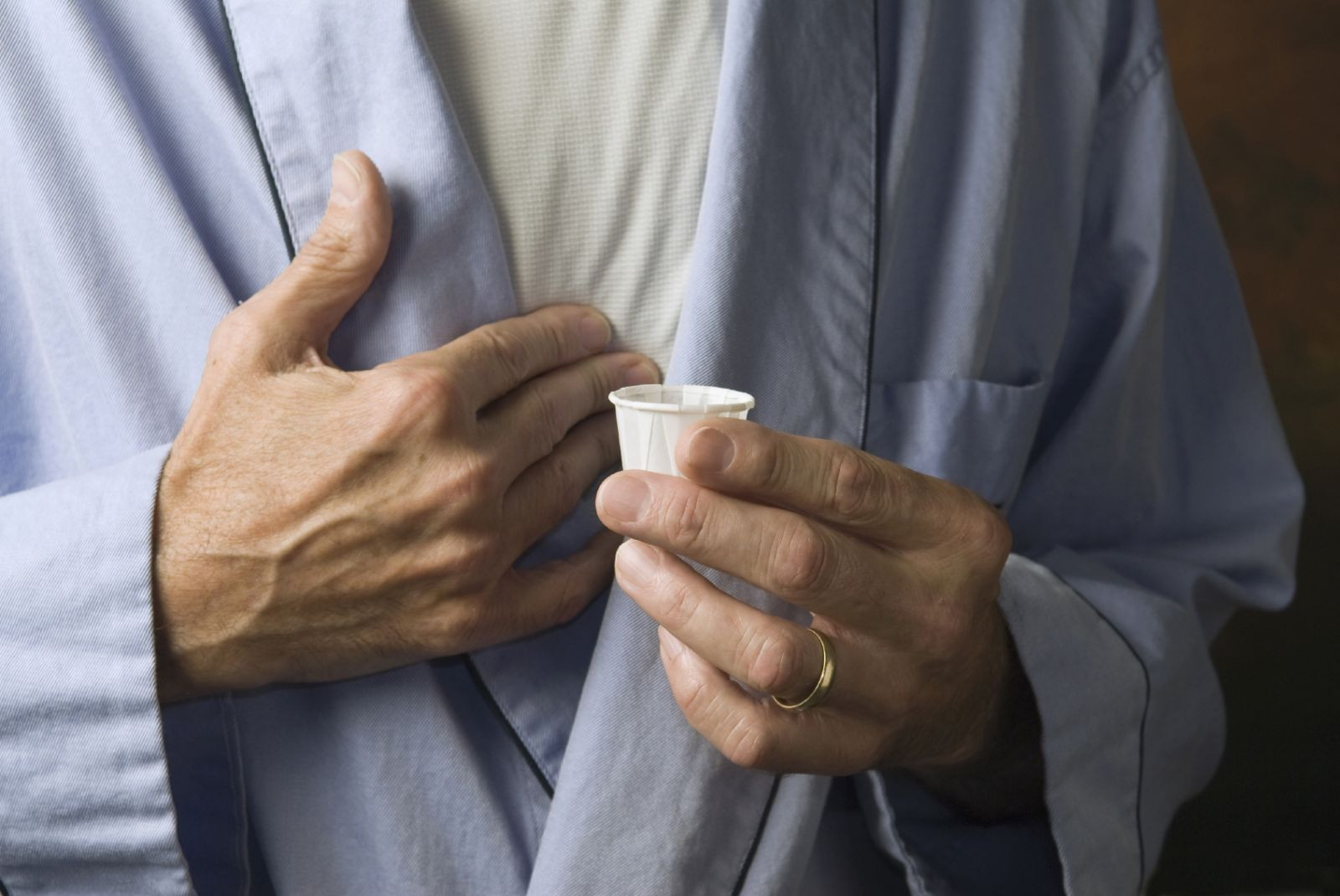
Is your heartburn pill working for you?
| Image: iStock |
For optimal results, you need to take your medication regularly and time it correctly to your meals.
Have you tried to cool the burning discomfort of heartburn with medication and failed to get full relief? If so, a few simple adjustments to optimize your treatment may be all you need.

The balancing act: A guide to heart-friendly holiday eating
Making smart eating choices can help you enjoy your favorite holiday foods in a heart-healthy way. |
Planning ahead can help you navigate the hazards of holiday overindulgence.
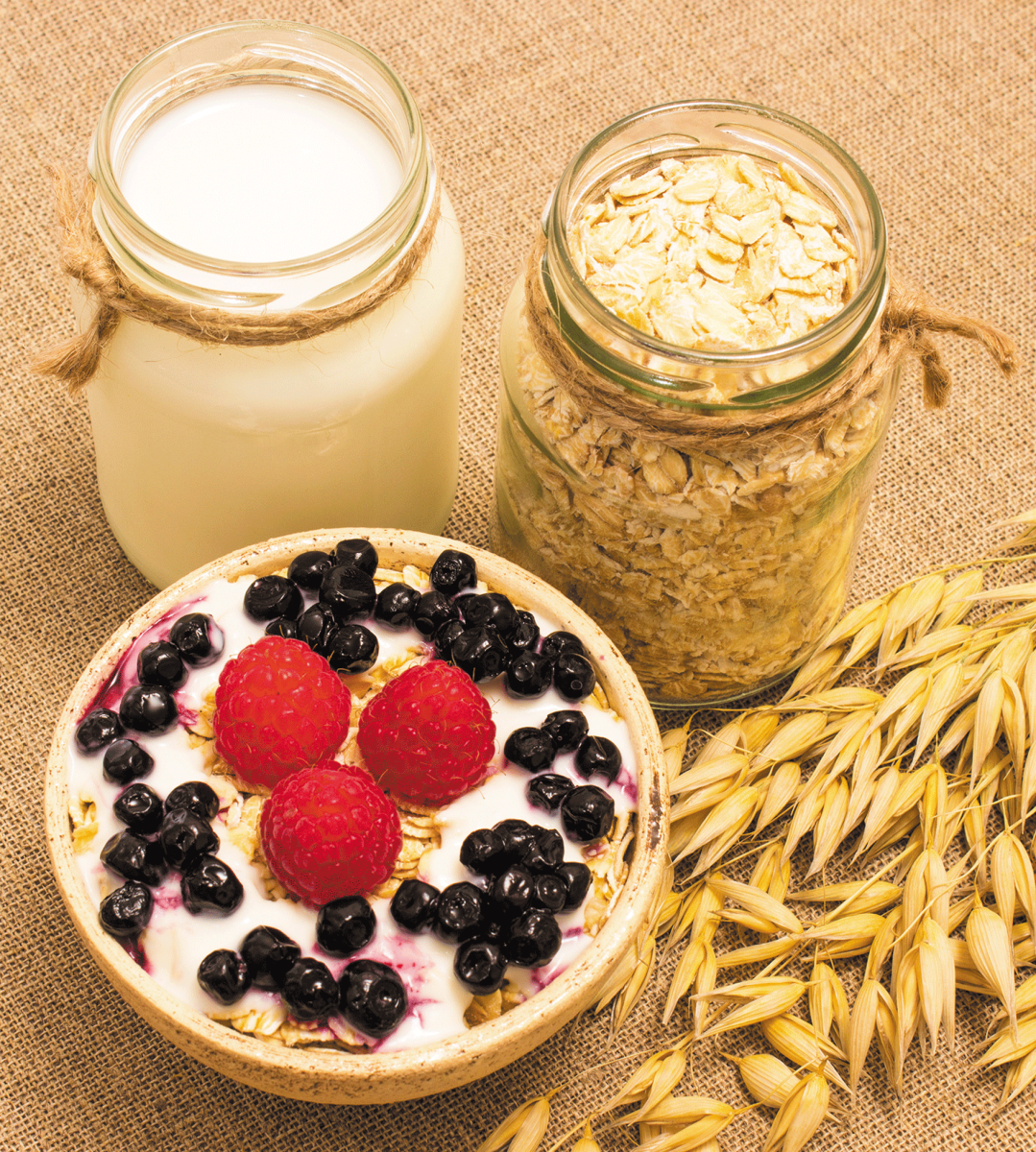
Whole-grain oats: Best bet for lowering cholesterol
Image: Thinkstock |
Research we're watching
Want to nudge down your cholesterol level? Try a bowl of oatmeal for breakfast. New research adds to earlier evidence that among the whole grains, oats are the most effective choice when it comes to lowering cholesterol.
The findings were gleaned from 24 studies that looked at blood lipids (cholesterol and triglycerides) in people who ate diets featuring whole-grain foods versus non-whole-grain control diets. Compared with the control diets, whole-grain diets lowered total cholesterol levels by an average of 4.6 points. Diets featuring oats proved to be slightly superior, dropping cholesterol levels by 6.5 points, on average. An added bonus: whole-grain diets don't appear to lower beneficial HDL cholesterol. The report appeared in the September 2015 American Journal of Clinical Nutrition.

Is your medication making you depressed?
When starting a new medication, keep a journal to track any new symptoms that develop. Note the time of day, date, and type of symptom you are experiencing. |
Be on the lookout for mood swings, sleeplessness, and anxiety when starting certain medications.

Mind the holiday buffet
Avoid eating foods that have been left out for more than two hours. They may be breeding grounds for harmful bacteria that can make you sick. |
Avoid food that's been left out on a table for more than two hours, and handle food properly if you're doing the cooking.
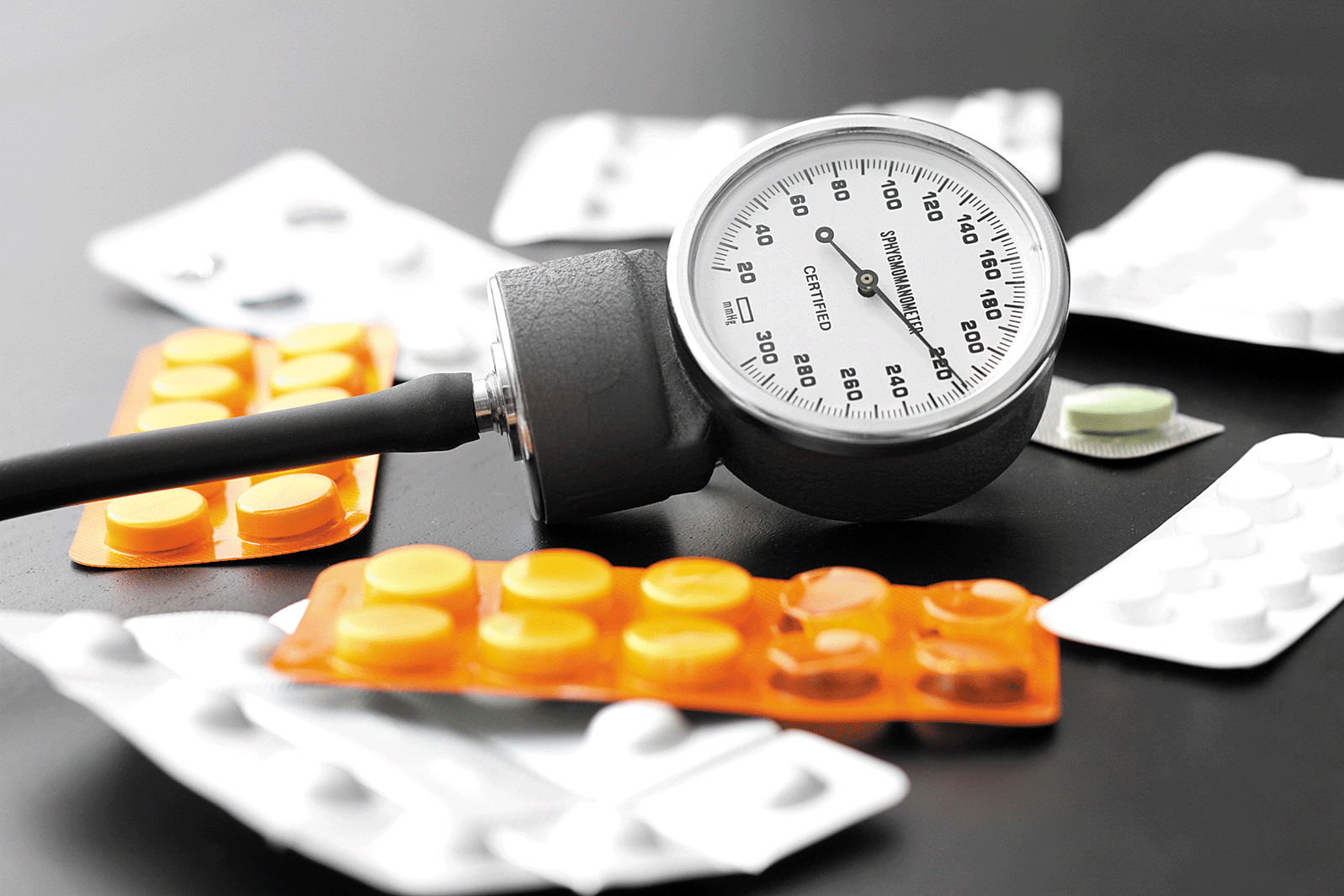
Which blood pressure drug is right for you?
Controlling high blood pressure involves trial and error. It may take more than one medication to do the job, and the dosages may need to be adjusted over time. |
The medications your doctor prescribes may depend on your underlying health issues.

Harvard researchers link coffee with reduced colon cancer recurrence
Image: Thinkstock |
You may drink coffee because it tastes good or helps you wake up. But the popular brew is also associated with health benefits, such as reducing the risk for heart disease, stroke, and type 2 diabetes. Now a study from Harvard-affiliated Dana-Farber Cancer Institute published Aug. 17, 2015, in the Journal of Clinical Oncology suggests that regular consumption of caffeinated coffee may be associated with a reduced recurrence of colon cancer, and even a reduced risk of death. The study included nearly 1,000 people with stage 3 colon cancer. They filled out questionnaires about their dietary patterns during chemotherapy, and then again six months after treatment was completed. People who drank four or more cups of coffee per day were 42% less likely to have cancer return than non-coffee drinkers, and were 34% less likely to die from cancer or any other cause.
This type of study doesn't prove that coffee drinking caused the lower chance of cancer recurrence and death. A randomized trial is needed to show cause and effect. But researchers are encouraged by the results. "Regular coffee intake has been associated with a reduced risk of type 2 diabetes, and it may be that through a similar mechanism, coffee may also improve outcomes for people with advanced colon cancer," says Dr. Charles Fuchs, senior author on the paper.

Spicy foods associated with longer life, Harvard researchers find
Image:Thinkstock |
There's no magic pill you can swallow to make you live longer, but what about food? A study from the Harvard School of Public Health published Aug. 4, 2015, in BMJ found that people who ate spicy foods almost every day had a 14% lower risk of death than people who ate spicy foods once a week. Researchers evaluated the health and diet information of almost 500,000 people in China from 2004 to 2008, then followed up with them a few years later. The study was observational, so it didn't show that spicy foods caused people to live longer, only that people who regularly ate spicy food—especially food with fresh and dried chili peppers—were less likely to have died during the study period than those who ate spicy food less frequently. "Some evidence from other studies suggests the bioactive ingredients in spicy foods such as capsaicin may lower 'bad' cholesterol and triglycerides and improve inflammation," says study author Dr. Lu Qi.
If you'd like to add more chili pepper to your diet, stick with something healthy, such as turkey chili or lentil pilaf, and skip the greasy tacos. But be careful: spicy foods may trigger an increase in gastric acid in some people, causing heartburn.
Even a little exercise linked with lower stroke risk in people with afib
Testosterone therapy without evidence of deficiency may boost heart risk
Weight-loss drug may lower risk of heart attacks and infections
What to eat on the DASH diet
Migraine: How it's diagnosed and what that means
Tricep workouts you can do at home
Mindfulness practices to reduce stress and improve focus
Antihistamines may not offer meaningful relief from eczema symptoms
Overweight and taking blood pressure medications: Study finds it's a trend that's working
FDA approves first mRNA-based flu vaccine
Free Healthbeat Signup
Get the latest in health news delivered to your inbox!
Sign Up
