

Even a little exercise linked with lower stroke risk in people with afib

Testosterone therapy without evidence of deficiency may boost heart risk

Weight-loss drug may lower risk of heart attacks and infections

What to eat on the DASH diet

Migraine: How it's diagnosed and what that means

Tricep workouts you can do at home

Mindfulness practices to reduce stress and improve focus

Antihistamines may not offer meaningful relief from eczema symptoms

Overweight and taking blood pressure medications: Study finds it's a trend that's working

FDA approves first mRNA-based flu vaccine
Vitamins, minerals & supplements Archive
Articles

Snacks: Quality vs. frequency
When it comes to snacking, is what you eat more important than how often you snack? A study published in the July 2015 Journal of the Academy of Nutrition and Dietetics tracked the snacking habits and foods of more than 200 people (average age 42). After two-and-a-half years, researchers observed that people who snacked on fruits and vegetables had, on average, a lower body mass index (BMI) than people who snacked on desserts and sweets. BMI is a measure of body fat based on a person's height and weight. Calories, frequency of snacking, and the time of day snacks were eaten didn't seem to affect BMI.
The study didn't show that the quality of snacks people ate was responsible for the lower BMI. However, researchers say the findings support the idea that wise snack choices can contribute to a healthy diet, and that snacking isn't necessarily unhealthy unless you choose empty calories such as chips, desserts, and sugar-sweetened drinks. Kathy McManus, director of the Department of Nutrition at Harvard-affiliated Brigham and Women's Hospital, underscores the importance of that approach: "Timing or frequency is not as important, as long as healthy snacks are selected." She recommends nuts such as almonds, peanuts, pistachios, or hazelnuts; hummus with baby carrots; peanut butter with celery or an apple; part-skim string cheese with a small bunch of grapes; or plain nonfat Greek yogurt with blueberries.

The official ousting of artificial trans fats
The FDA is giving companies until 2018 to either stop using partially hydrogenated oils in foods or file for an FDA okay to keep using them.

Beyond statins: New medicines for hard-to-manage cholesterol
| People with an inherited condition that causes very high cholesterol levels will likely be the first group of individuals to be offered treatment with PCSK9 inhibitors. Image: Thinkstock |
A novel class of drugs has the potential to pick up the slack where other cholesterol medications leave off.

Protein sources that are best for your heart
Fiber-rich and low in fat, beans are one of the best sources of heart-healthy protein. |
The types of fat and other nutrients found in plant- and animal-based protein foods should guide your choices.
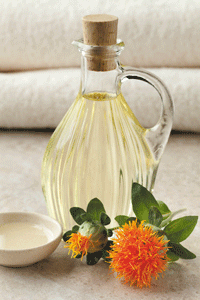
Higher blood levels of unsaturated fats linked to longer life
Image: Thinkstock |
A diet rich in polyunsaturated fats—found mainly in vegetable oils and fish—seems to protect people against cardio-vascular disease. A new study that measured blood levels of these fats in older adults now lends further support to this observation.
The report, in the June 17, 2015, Circulation, included more than 4,200 Swedish men and women without heart disease who were 60 years old when they joined the study. Researchers then tracked the participants' deaths over the following decade and a half. People with the highest blood levels of these beneficial fats were less likely to die from heart disease or any other cause than those with the lowest levels. Measuring the blood levels of these fats may be more reliable than asking people to recall what they ate, the researchers note.

Mediterranean diet: Good for your mind and your heart
Plant-based compounds known as polyphenols are plentiful in the Mediterranean diet, which may explain its health benefits. |
Extra-virgin olive oil and nuts seem to contribute to the benefits.

Ask the doctor: Understanding ejection fraction
Q . Can you explain exactly what "ejection fraction" means? And is there any way to increase it?
A. Ejection fraction refers to the volume of blood that's pumped out of the heart's left ventricle each time it contracts. Contrary to what many people believe, a normal ejection fraction is not 100%. Even a healthy heart pumps out only about half to two-thirds of the volume of blood in the chamber in one heartbeat. So a normal ejection fraction lies somewhere in the range of 55% to 65%.

Ask the doctor: Clot prevention drugs after a stent: How long?
Guidelines about how long to take clopidogrel after receiving a stent are in flux. Image: Thinkstock |
Q. My cardiologist told me to take clopidogrel for a year after I received a stent. Now the year is up. I haven't had any bleeding problems. Should I keep taking it?
A. In addition to aspirin, doctors routinely prescribe clopidogrel (Plavix) for people who receive stents, the tiny metal mesh tubes placed in clogged blood vessels to improve blood flow. This medication stops blood components called platelets from clumping together and forming clots. The current guidelines generally recommend that people take the drug for a year. This advice assumes they don't have any side effects such as unusual bleeding, which can show up as severe nosebleeds or blood in the urine or stools. However, these guidelines are still evolving. Experts are currently reviewing new findings from large studies on the benefits and risks of taking clopidogrel and similar drugs for extended periods of time.
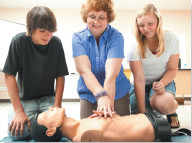
Bystander CPR may help cardiac arrest survivors return to work
Cardiopulmonary resuscitation (CPR) not only saves lives, it may also help survivors of cardiac arrest recover well enough to return to work, according to a study in the May 12, 2015, issue of Circulation.
Researchers studied more than 4,300 people in Denmark who were employed before they suffered a cardiac arrest. In cardiac arrest, the heart suddenly stops working. More than 75% of survivors who had a cardiac arrest outside a hospital were able to return to work in a median time of four months. Those who received CPR from a bystander were nearly 40% more likely go back to work compared with those who didn't get CPR. The chest compressions given during CPR keep blood circulating to the brain, minimizing brain damage caused by a lack of oxygen.

Can you eat your way to brain health?
A heart-healthy lifestyle is strongly associated with better memory and lower risk of Alzheimer's disease.
The health press is full of claims that "superfoods"—like fresh berries and leafy greens—can keep your memory sharp and hold the threat of Alzheimer's disease at bay. But for now, the evidence is preliminary at best. Your safest bet is to lead an overall heart-healthy lifestyle—including eating a plant-based diet and getting regular exercise—rather than drawing up a shopping list of alleged brain-boosting superfoods.
Even a little exercise linked with lower stroke risk in people with afib
Testosterone therapy without evidence of deficiency may boost heart risk
Weight-loss drug may lower risk of heart attacks and infections
What to eat on the DASH diet
Migraine: How it's diagnosed and what that means
Tricep workouts you can do at home
Mindfulness practices to reduce stress and improve focus
Antihistamines may not offer meaningful relief from eczema symptoms
Overweight and taking blood pressure medications: Study finds it's a trend that's working
FDA approves first mRNA-based flu vaccine
Free Healthbeat Signup
Get the latest in health news delivered to your inbox!
Sign Up
