

Even a little exercise linked with lower stroke risk in people with afib

Testosterone therapy without evidence of deficiency may boost heart risk

Weight-loss drug may lower risk of heart attacks and infections

What to eat on the DASH diet

Migraine: How it's diagnosed and what that means

Tricep workouts you can do at home

Mindfulness practices to reduce stress and improve focus

Antihistamines may not offer meaningful relief from eczema symptoms

Overweight and taking blood pressure medications: Study finds it's a trend that's working

FDA approves first mRNA-based flu vaccine
Vitamins, minerals & supplements Archive
Articles
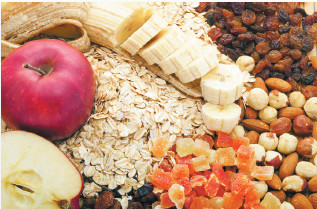
How to sneak in more dietary fiber
A fiber-rich diet includes a variety of fruits, vegetables, and whole grains. Image: Thinkstock |
Meeting fiber goals improves overall nutrition and helps with regularity, even without dramatic dietary changes.

Injections don't improve physical therapy for knees
Physical therapy is helpful for wear-and-tear knee osteoarthritis, especially if you start doing it early. But injecting a painful knee with an anti-inflammatory steroid medication before starting physical therapy offers no additional benefit, according to a clinical trial in JAMA Internal Medicine.
Studies have shown that physical therapy modestly reduces pain and improves daily functioning in people with knee osteoarthritis. That could mean being able to walk farther with less pain or to continue leisure activities such as gardening. Before you start physical therapy, your doctor may offer to inject the knee with a cocktail of anti-inflammatory steroid medication and an anesthetic. Hypothetically, this could make it easier for you to stick with exercise and therefore lead to better results.
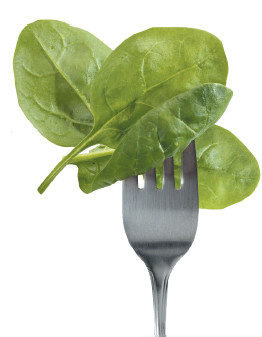
Add more nutrient-dense foods to your diet
Foods such as kale, cantaloupe, and quinoa can boost the amount of nutrients you consume without increasing calories.
Getting enough nutrients through diet is challenging as we age. Our bodies don't absorb nutrients as well as they once did, yet we tend to need fewer calories and eat less. So it's important to make the most out of the foods we do eat. One way is by choosing more nutrient-dense foods, which provide more nutrition bang for the calorie buck. "They contain an abundance of nutrients and other healthful substances—vitamins and minerals, fiber, lean protein, and unsaturated fats—but are not excessive in calories. This is compared with foods of low nutrient density that are high in calories," says Liz Moore, a registered dietitian at Harvard-affiliated Beth Israel Deaconess Medical Center.

When medications make you sensitive to sunlight
Avoid sun exposure or wear sunprotective clothing and sunscreen if you’re taking photosensitizing drugs. Image: Thinkstock |
Wear sunscreen, and avoid direct exposure to the sun.

When the blood supply to the kidneys suffers
The renal arteries, which supply blood to the kidneys, can become narrowed or blocked—a condition known as renal artery stenosis. Image: Thinkstock |
Fatty plaque in the arteries that feed the kidneys poses a danger to the heart and brain.

Do blood pressure drugs raise your risk of a fall?
Some research has suggested that older people who take blood pressure medications may be prone to falls, perhaps because the drugs make them dizzy or lightheaded when they stand up. But a new study in the May 2015 Hypertension found no increased risk of falls in people taking blood pressure drugs.
For the study, nearly 600 people with chronic high blood pressure reported their falls to researchers via mail-in postcards and phone calls. Almost half of the participants, whose average age was 78, reported one or more falls during the yearlong study. Neither standard nor high doses of blood pressure drugs were linked to falls. In fact, people who took two commonly prescribed types of blood pressure medications—ACE inhibitors and calcium-channel blockers—had a lower rate of falling compared with people not taking those drugs. Given the known benefits of treating high blood pressure in older people, the authors say, withholding blood pressure medication for fear of causing a fall may not make sense.

Serious side effects are uncommon after heartburn treatment
Serious health problems are uncommon after drugs or surgery to treat chronic heartburn, according to a recent study in Alimentary Pharmacology and Therapeutics. Many men take acid-reducing drugs called proton-pump inhibitors (PPIs), such as omeprazole (Prilosec, others) and lansoprazole (Prevacid), for chronic heartburn. One alternative is a surgical procedure to tighten the entrance to the stomach and prevent acidic stomach contents from backing up into the esophagus.
The new study drew on findings from two different clinical trials that tracked the health of people treated with either drugs or surgery. One trial involved about 300 people who were followed for up to 12 years; the other involved about 500 people who were followed for five years.

A pill-free way to fight insomnia
It appears that cognitive behavior therapy may help people with chronic insomnia and no underlying medical problems fall asleep faster.

Best bets for back pain
Judicious use of pain relievers can help you keep doing your usual daily activities, which aids recovery from back pain. Images: Thinkstock |
When your back is bothering you and you don't want to take prescription drugs, over-the-counter solutions and physical therapies can help relieve symptoms.
Know your triglycerides: Here's why
The level of triglycerides in the blood, like measurements of "bad" cholesterol, helps to gauge your risk for heart disease. Image: Thinkstock |
High levels of these fatty particles in the blood means you may need to step up healthy lifestyle changes.
Even a little exercise linked with lower stroke risk in people with afib
Testosterone therapy without evidence of deficiency may boost heart risk
Weight-loss drug may lower risk of heart attacks and infections
What to eat on the DASH diet
Migraine: How it's diagnosed and what that means
Tricep workouts you can do at home
Mindfulness practices to reduce stress and improve focus
Antihistamines may not offer meaningful relief from eczema symptoms
Overweight and taking blood pressure medications: Study finds it's a trend that's working
FDA approves first mRNA-based flu vaccine
Free Healthbeat Signup
Get the latest in health news delivered to your inbox!
Sign Up
