

Even a little exercise linked with lower stroke risk in people with afib

Testosterone therapy without evidence of deficiency may boost heart risk

Weight-loss drug may lower risk of heart attacks and infections

What to eat on the DASH diet

Migraine: How it's diagnosed and what that means

Tricep workouts you can do at home

Mindfulness practices to reduce stress and improve focus

Antihistamines may not offer meaningful relief from eczema symptoms

Overweight and taking blood pressure medications: Study finds it's a trend that's working

FDA approves first mRNA-based flu vaccine
Vitamins, minerals & supplements Archive
Articles

Get cracking: Why you should eat more nuts
Nuts are rich in unsaturated fats, fiber, and other nutrients with possible cardiovascular benefits. Images: Thinkstock |
Munching a small handful every day may protect your heart.

To lower stroke risk, be sure to get this B vitamin
Green vegetables and citrus fruits are good natural sources of folate.
If you're among the one in three American adults with high blood pressure, be sure you're getting enough of the B vitamin known as folate. Doing so may lower your odds of having a stroke, a new study suggests.

Acetaminophen seems safe for the heart
After a small study hinted that taking acetaminophen (Tylenol) might increase blood pressure, some doctors worried that this popular painkiller might not be as safe as once assumed, particularly for people with heart disease. But those fears now appear unfounded, according to a March 2015 report in Hypertension.
Using records from a U.K. health database, researchers identified nearly 25,000 people ages 65 and older with high blood pressure. They then compared people who took acetaminophen with people who didn't take the drug over a 10-year period. After adjusting for possible confounding factors, they found no elevated risk of heart attack, stroke, or any cardiovascular events among people who used acetaminophen—even among those who took the painkiller frequently. Despite this reassurance, be aware that high doses of acetaminophen can damage your liver. Don't take more than 3,000 milligrams (mg) a day. Over-the-counter pills (including some cold and flu drugs) may contain up to 650 mg of the drug, so check labels carefully.

Should you work chocolate into your diet?
Cocoa flavanols found in chocolate are powerful antioxidants that may boost your health. Image: Thinkstock |
Cocoa flavanols in chocolate are linked to improved thinking skills and better heart health.

Should you get your nutrients from food or from supplements?
Image: Thinkstock Try to improve your diet before turning to supplements. Food has beneficial nutrients, such as flavonoids and antioxidants, that aren't in most supplements. |
Supplements can plug dietary gaps, but nutrients from food are most important.
The fresh food you eat is loaded with nutrients necessary for good health, such as magnesium, calcium, and vitamins A and C. But many older adults aren't getting enough nutrients from their diets.

Adding a diuretic to your blood pressure drug
Diuretics can augment the blood pressure-lowering effects of other drugs, such as ACE inhibitors. Image: Thinkstock |
It may boost the effect of your current medication.
People with high blood pressure need this B vitamin
It appears that people with high blood pressure who take folate along with the blood pressure medicine enalapril (Vasotec) may be less likely to have a stroke than people who take enalapril alone.

6 ways to use your mind to control pain
Meditation with guided imagery, which often involves imagining yourself in a restful environment, may reduce your need for pain medication. |
Relaxation, meditation, positive thinking, and other mind-body techniques can help reduce your need for pain medication.
Drugs are very good at getting rid of pain, but they often have unpleasant, and even serious, side effects when used for a long time. If you have backache, fibromyalgia, arthritis, or other chronic pain that interferes with your daily life, you may be looking for a way to relieve discomfort that doesn't involve drugs. Some age-old techniques—including meditation and yoga—as well as newer variations may help reduce your need for pain medication.

Personalized medicine sounds futuristic, but it's really about your relationship with your doctor
By Anne Fabiny, M.D., Editor in Chief
President Barack Obama recently announced the Precision Medicine Initiative, a new program to speed up discoveries based on information and technology stemming from the Human Genome Project. "Precision medicine" and "personalized medicine" are terms that describe health care tailored to an individual patient's genetic makeup, using information about a patient's genome to diagnose illness and design therapies to treat and cure disease. This approach has been described as "the medicine of the future."
However, it may be reassuring to know that although your doctor doesn't have your genome at hand, he or she is likely to be giving you personalized care as we understand it today.
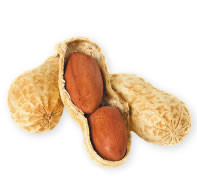
Eating peanuts may extend your life
Health studies rarely involve people on opposite sides of the globe who have very different lifestyles. However, researchers at Vanderbilt Medical School took that approach when they pooled data from dietary studies of 72,000 men and women in the southeastern United States and 135,000 people in Shanghai, China. It turns out that the Americans and Chinese have something in common—they both eat a lot of peanuts—and they may be living longer as a result.
All of the participants filled out detailed questionnaires on the foods they ate regularly. The research team noted that peanuts accounted for 50% of nuts eaten by Americans and almost all the nuts consumed by the Chinese.
Even a little exercise linked with lower stroke risk in people with afib
Testosterone therapy without evidence of deficiency may boost heart risk
Weight-loss drug may lower risk of heart attacks and infections
What to eat on the DASH diet
Migraine: How it's diagnosed and what that means
Tricep workouts you can do at home
Mindfulness practices to reduce stress and improve focus
Antihistamines may not offer meaningful relief from eczema symptoms
Overweight and taking blood pressure medications: Study finds it's a trend that's working
FDA approves first mRNA-based flu vaccine
Free Healthbeat Signup
Get the latest in health news delivered to your inbox!
Sign Up
