

Even a little exercise linked with lower stroke risk in people with afib

Testosterone therapy without evidence of deficiency may boost heart risk

Weight-loss drug may lower risk of heart attacks and infections

What to eat on the DASH diet

Migraine: How it's diagnosed and what that means

Tricep workouts you can do at home

Mindfulness practices to reduce stress and improve focus

Antihistamines may not offer meaningful relief from eczema symptoms

Overweight and taking blood pressure medications: Study finds it's a trend that's working

FDA approves first mRNA-based flu vaccine
Vitamins, minerals & supplements Archive
Articles

Opioid painkillers: Take the strong stuff only when you need it
It should be matched to the right pain condition and used for a limited time—then switch to safer options.
Over-the-counter pain relievers are great for ordinary aches and pains, but for severe, unrelenting pain that interferes with daily life, you may need something stronger. In such cases, men may end up taking medications called opioids, which block pain perception in the brain. The best-known opioid drugs are oxycodone (OxyContin, Percocet) and hydrocodone (Vicodin).

Review finds no sign of memory loss from statins
The best-quality evidence available does not prove that taking a statin can cause memory loss or other changes in mental functioning, according to a review in the Journal of General Internal Medicine. Since 2012, the FDA has required that statin manufacturers include a warning on drug packaging that statins could impair mental functioning, but this has been controversial. Researchers took a look at the published evidence for possible mental side effects of statins.
The new review covered randomized clinical trials involving nearly 47,000 people. Such trials are the gold standard in medical research. These included 23 trials in which researchers explicitly measured mental functioning, as well as trials that kept track of mental changes reported by participants.

Acetaminophen: Minimal relief for knee arthritis pain
The pain from an arthritic knee can be intense, limiting daily activities and independence. Men can try a range of medications, but overall acetaminophen (Tylenol, other brands) appears to relieve pain only slightly better than a placebo pill, according to a research review in Annals of Internal Medicine.
The researchers pooled results from 137 randomized clinical trials involving about 33,000 people with knee arthritis and compared the relative effectiveness of the following treatments:
One in 10 men may be taking aspirin unnecessarily
Many men consider taking a daily low-dose aspirin to reduce the chance of having a heart attack or stroke. You should do so only if the chance of being helped outweighs the chance of triggering unwanted bleeding, since aspirin interferes with normal clotting. But about one in 10 men who take protective aspirin may not really qualify, according to a national study in the Journal of the American College of Cardiology.
Experts recommend that aspirin might be considered in someone whose chance of experiencing a cardiovascular problem is at least 6% in the next 10 years. At that tipping point, the chance of being helped is great enough to justify the risk of unwanted bleeding.
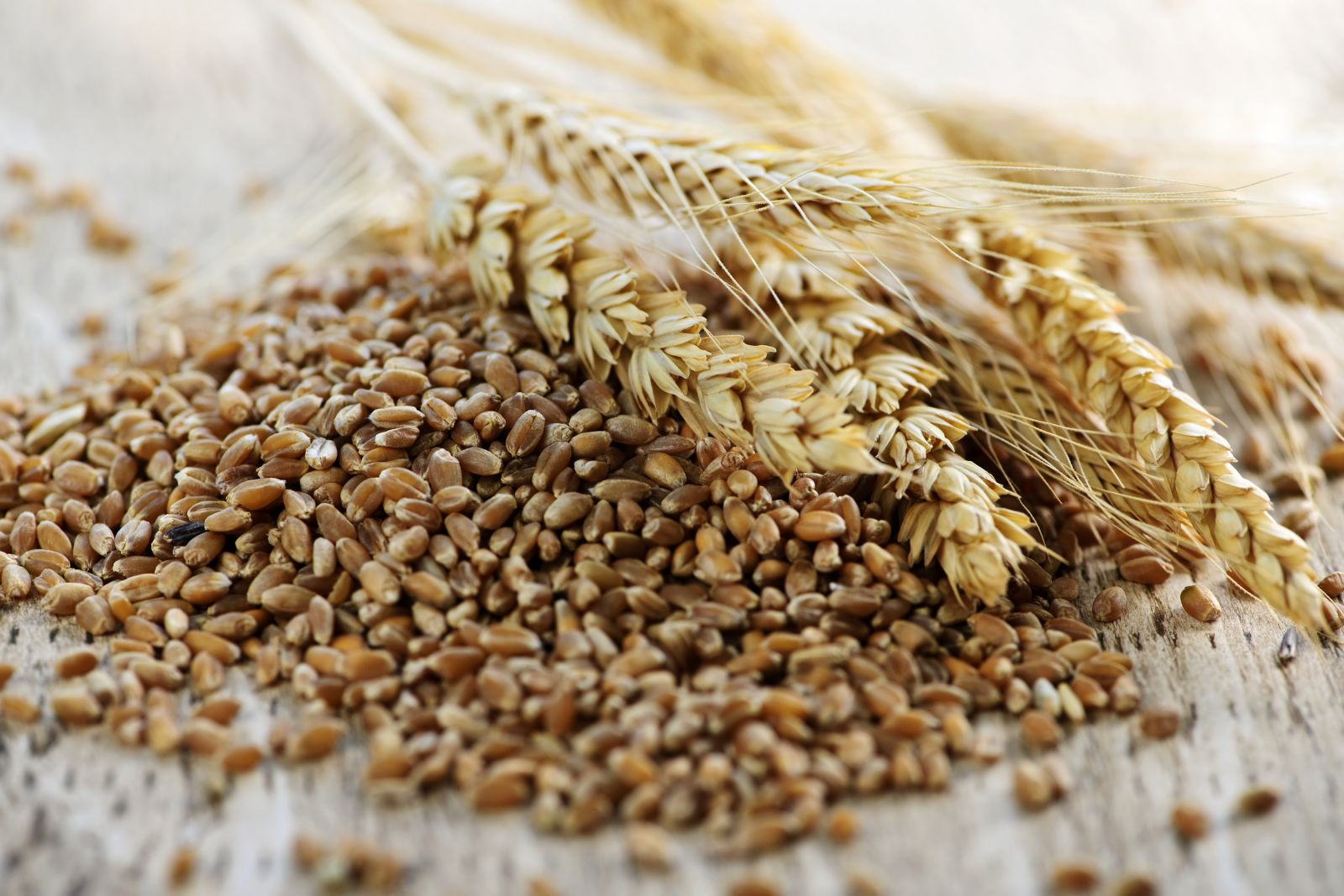
Reaping gains from grains
Eating whole grains may benefit your heart and lengthen your life.
Grain foods made from the hard, dry seeds of plants have been a nutritional basic for thousands of years. When you eat a whole grain, you're getting more than just the fiber from the seed's outer layer. You also get all the vitamins, minerals, good fats, enzymes, antioxidants, and phytonutrients that are stripped away when grains are processed.

Ask the doctor: Dizziness from blood pressure medications?
Q. I take several medicines to get my blood pressure under control, and they seem to do the job. However, I get dizzy at times. Is there anything I can do, other than stopping my medications?
A. Many people occasionally feel dizzy if they stand up too quickly, and the older you get, the more likely this will happen. When you're lying down or sitting, less blood pressure is needed to send sufficient blood to the brain. But as you stand, the pressure must rise to deliver adequate amounts. If that doesn't happen fast enough, your brain can't function as well as it should, and you feel dizzy. Moving from a lying or seated position to a standing position more slowly usually helps if this is the underlying reason.

An avocado a day may keep cholesterol at bay
Adding an avocado a day to a healthy diet may lower harmful LDL cholesterol levels, according to a study in the Journal of the American Heart Association. Forty-five overweight or obese volunteers followed three different cholesterol-lowering diets, each for five weeks. One diet had 24% of calories from fat; the other two were 34% fat, one of which included an avocado per day. While participants were on the avocado diet, their LDL levels dropped an average of 13.5 points—nearly twice as much as when they were on the other two diets.
Hass avocados (the type used in the study) have bumpy, greenish-black skin. The creamy flesh is rich in monounsaturated fats, which help lower LDL cholesterol when swapped for saturated fat. But other compounds in avocados, such as fiber and plant sterols, may also contribute to their healthful benefits, say the authors. Avocados can be sliced into salads, spread on sandwiches, or mashed to make guacamole. Just be sure to go easy on the high-calorie, salty corn chips often served with the latter.

Best tips to stay on your medication and stay healthy
Using gadgets, such as a seven-day pillbox or an electronic pill dispenser, can help you stick to a medication regimen and stay healthy. |
Tried-and-true methods, plus the latest electronic reminders and gadgets.

Feeling young at heart may help you live longer
People who feel young at heart are more likely to pursue physical activity, even it's an activity that's challenging. |
A youthful attitude may lead to better eating and exercising habits.

New thinking about beta blockers
Beta blockers are no longer the first line of defense used to lower blood pressure. |
If you have high blood pressure, there may be better alternatives.
Even a little exercise linked with lower stroke risk in people with afib
Testosterone therapy without evidence of deficiency may boost heart risk
Weight-loss drug may lower risk of heart attacks and infections
What to eat on the DASH diet
Migraine: How it's diagnosed and what that means
Tricep workouts you can do at home
Mindfulness practices to reduce stress and improve focus
Antihistamines may not offer meaningful relief from eczema symptoms
Overweight and taking blood pressure medications: Study finds it's a trend that's working
FDA approves first mRNA-based flu vaccine
Free Healthbeat Signup
Get the latest in health news delivered to your inbox!
Sign Up
