

Even a little exercise linked with lower stroke risk in people with afib

Testosterone therapy without evidence of deficiency may boost heart risk

Weight-loss drug may lower risk of heart attacks and infections

What to eat on the DASH diet

Migraine: How it's diagnosed and what that means

Tricep workouts you can do at home

Mindfulness practices to reduce stress and improve focus

Antihistamines may not offer meaningful relief from eczema symptoms

Overweight and taking blood pressure medications: Study finds it's a trend that's working

FDA approves first mRNA-based flu vaccine
Vitamins, minerals & supplements Archive
Articles

Why do women fall?
It's well known that women fall more often than men, but why is that so? A team of Canadian researchers tackled that question by looking for factors that tend to put women at higher risk than men for spills.
The researchers studied around 15,000 adults ages 65 and older who were enrolled in the Canadian Community Health Survey–Healthy Aging. All the participants were asked if they had suffered a fall serious enough to limit their normal activity. People who answered "yes" were then queried about their lifestyles and medical histories. When the researchers analyzed the answers, they determined that stroke, arthritis, and poor nutrition increased the risk of falls in both men and women. However, different risk factors were linked to falls for women, including being 85 or older, having at least one alcoholic drink a week, taking five or more medications, and having diabetes or osteoporosis. The findings were reported online Feb. 19, 2015, by the American Journal of Epidemiology.

Ask the doctor: Why am I getting shorter?
After age 40, people lose about half an inch in height with each decade, mainly in the spine. Image: Thinkstock |
Q. Why do people over 60 lose height? I've lost a few inches over the years. Can this be prevented?
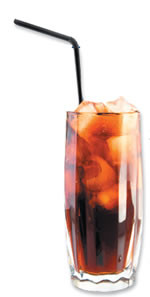
New concerns about diet sodas
They're linked to calorie absorption, high blood pressure, and heart trouble.
For weight-conscious people who love the bite of carbonation and the taste of various soft drinks, the advent of sugar-free sodas 60 years ago seemed a blessing: if there were no calories, you didn't have to worry about weight gain—and the diseases that go along with obesity, like diabetes and heart disease. "But there are growing doubts about whether diet sodas really help people lose weight and avoid diabetes," says Dr. Anthony Komaroff, editor in chief of the Health Letter.

Healthy lifestyle protects women against heart disease
It's no secret that healthy living can reduce your risk for developing heart disease. But ever wonder how much it may help? Up to 92%, suggests a study published Jan. 6, 2015, in the Journal of the American College of Cardiology. It evaluated health habits of 70,000 young and middle-aged women during a 20-year period. The habits included not smoking; exercising for at least 2.5 hours each week; watching TV for fewer than seven hours a week; consuming a diet rich in vegetables, legumes, and whole grains but low in red meat, refined grains, and sugar; consuming no more than one alcoholic drink daily; and having a body mass index in the normal range. Compared with women who had none of those habits, women with all six reduced their risk of developing heart disease by 92%. Why do those habits provide so much protection against heart disease? "Limiting TV watching frees up time for exercise, and the other activities are known to reduce blood pressure, LDL cholesterol, and blood sugar, which reduce the three major risk factors for heart disease—hypertension, high levels of cholesterol and triglycerides, and diabetes," says Dr. Randall Zusman, a cardiologist and Harvard Medical School associate professor. And even though the study involved young and middle-aged women, Dr. Zusman reminds us that it's never too late to adopt a healthy lifestyle.
Image: Thinkstock

Weight-loss drugs and your heart
Weight-loss drugs aren't for people hoping to lose just a few pounds. Image: Thinkstock |
Some first-generation diet pills proved risky to the heart. New drugs may have expanded the options for treating obesity.
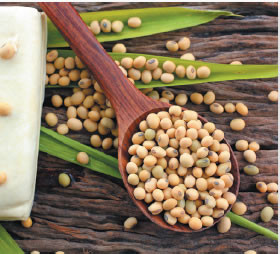
Add soy to your diet, but don't subtract other healthy foods
Soybeans, a legume, are rich in protein, polyunsaturated fats, fiber, vitamins, and minerals. |
Soy foods can help you build a healthy diet, but their ability to prevent heart disease and cancer remain unproven. Soy foods, from soy milk to tofu, are often touted for their health benefits. But if you add soy to your diet, be mindful about what you are pushing off the plate.
Moderate- and high-intensity workout both burn belly fat
What's better for you: moderate but prolonged exercise, or a shorter but more intense workout? A recent study in Annals of Internal Medicine found that both levels of exercise will help you lose about the same amount of belly fat if you burn the same number of calories. But only high-intensity exercise helped control blood sugar levels.
In the study, 300 people with abdominal obesity walked and jogged on treadmills at a moderate or high intensity, burning equivalent numbers of calories. The 217 people who stuck through the study for the entire six months lost on average 1.75 inches from their waistlines—about 5% to 6% of body weight. It made no difference whether they huffed through the higher-intensity workout or the more moderate regimen.

3 ways to manage allergies
Allergies can cause great misery. Luckily, there are options to help manage symptoms and continue doing the things you enjoy. The goal is to find the treatment that best suits your allergies, your lifestyle, and your wallet. Here are three of the most common ways to find relief from allergy symptoms.
Antihistamines
These medications are the mainstay for treating the sneezing, runny nose, and itchy eyes that come with allergies. Antihistamines also relieve hives and other symptoms of some food allergies.
Many people who suffer from hay fever (seasonal allergic rhinitis) are familiar with the older antihistamines such as diphenhydramine (Benadryl) and chlorpheniramine (Chlor-Trimeton). While these drugs work well, they leave many people feeling groggy, sleepy, or just "out of it." Thankfully, the newer generation of antihistamines, including cetirizine (Zyrtec), desloratadine (Clarinex), fexofenadine (Allegra), and loratadine (Claritin), are far less likely to cause drowsiness at recommended doses. Their effects are also longer lasting, so usually you need to take them only once a day instead of every four to six hours.

Atrial fibrillation: Living with a common heart condition
Preventing stroke is the top priority if your heart is beating irregularly. A variety of options can control symptoms.
A flutter in the chest and a racing heartbeat could be just a passing cardiac blip, perhaps triggered by emotional stress or too much caffeine. But sometimes it's a sign of atrial fibrillation—the irregular quivering of the heart's upper chambers, or atria.
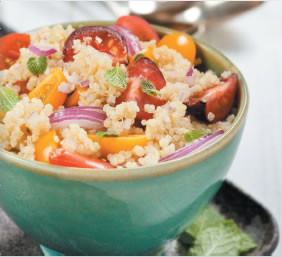
Healthy diet: Is glycemic index the key?
You can get some of the same benefits of a low-glycemic-index diet by avoiding highly processed foods.
The glycemic index is a number that indicates how rapidly the body digests a particular type of food and converts it into blood sugar (glucose). Some studies suggest that lower-glycemic-index diets may offer important health benefits for men—like a reduced risk of heart disease and diabetes.
Even a little exercise linked with lower stroke risk in people with afib
Testosterone therapy without evidence of deficiency may boost heart risk
Weight-loss drug may lower risk of heart attacks and infections
What to eat on the DASH diet
Migraine: How it's diagnosed and what that means
Tricep workouts you can do at home
Mindfulness practices to reduce stress and improve focus
Antihistamines may not offer meaningful relief from eczema symptoms
Overweight and taking blood pressure medications: Study finds it's a trend that's working
FDA approves first mRNA-based flu vaccine
Free Healthbeat Signup
Get the latest in health news delivered to your inbox!
Sign Up
